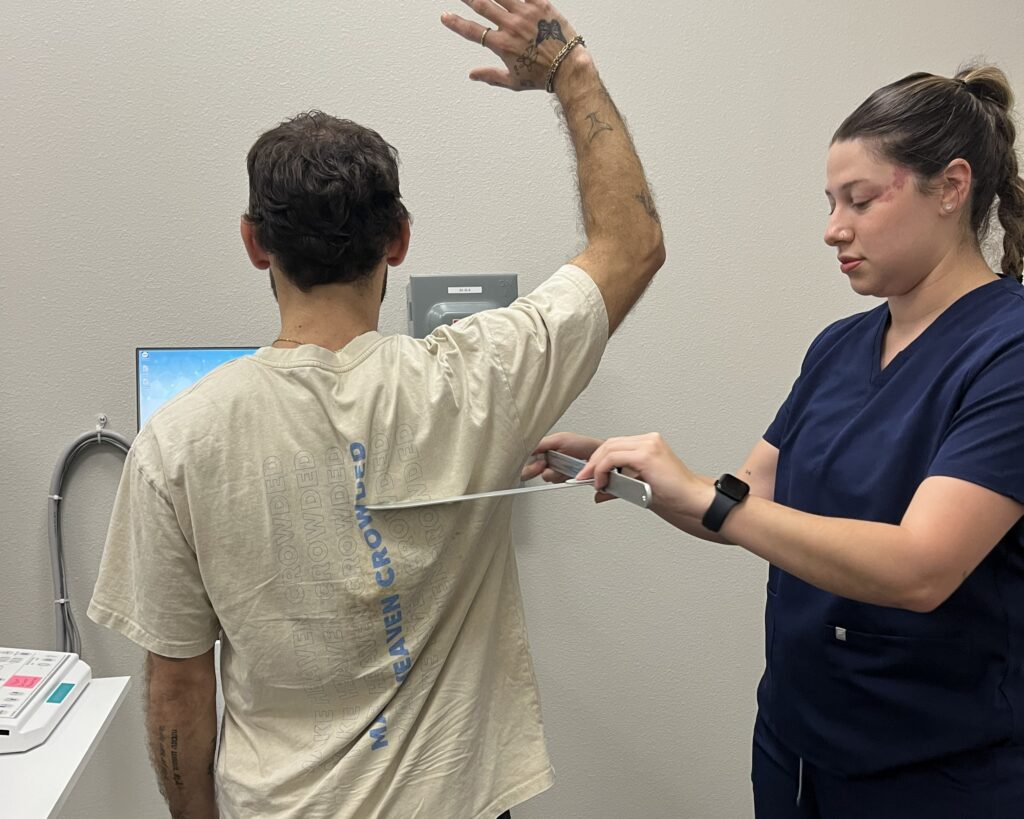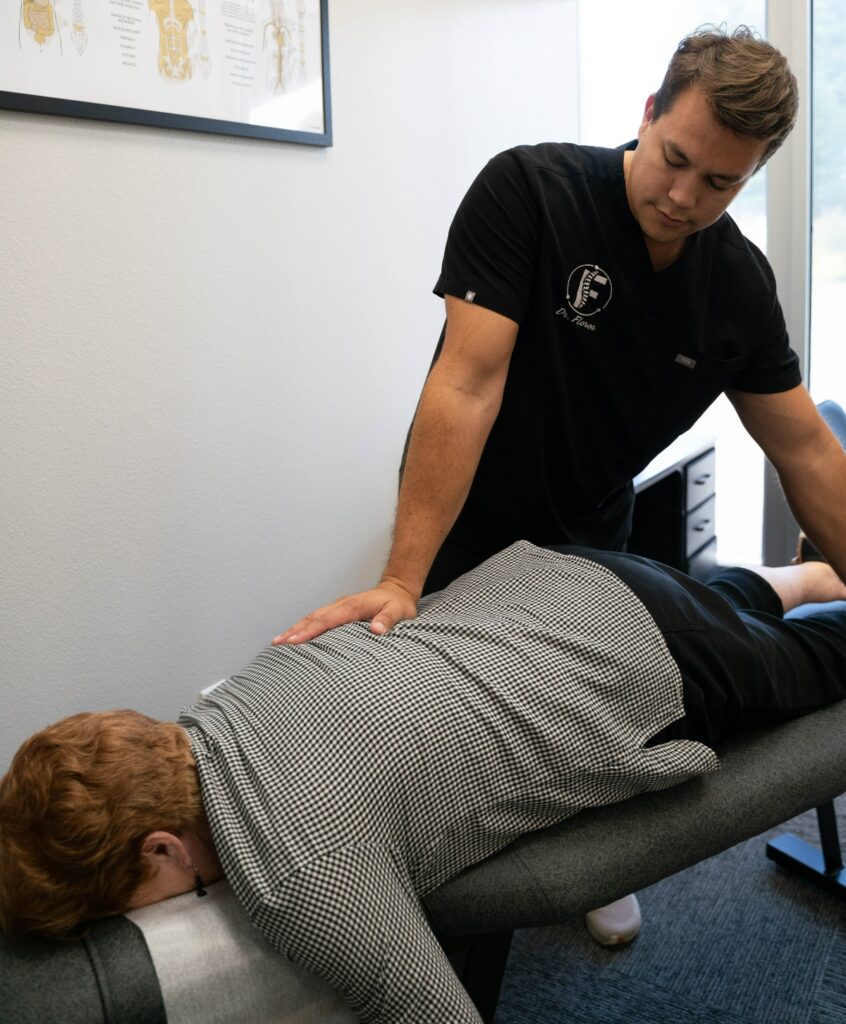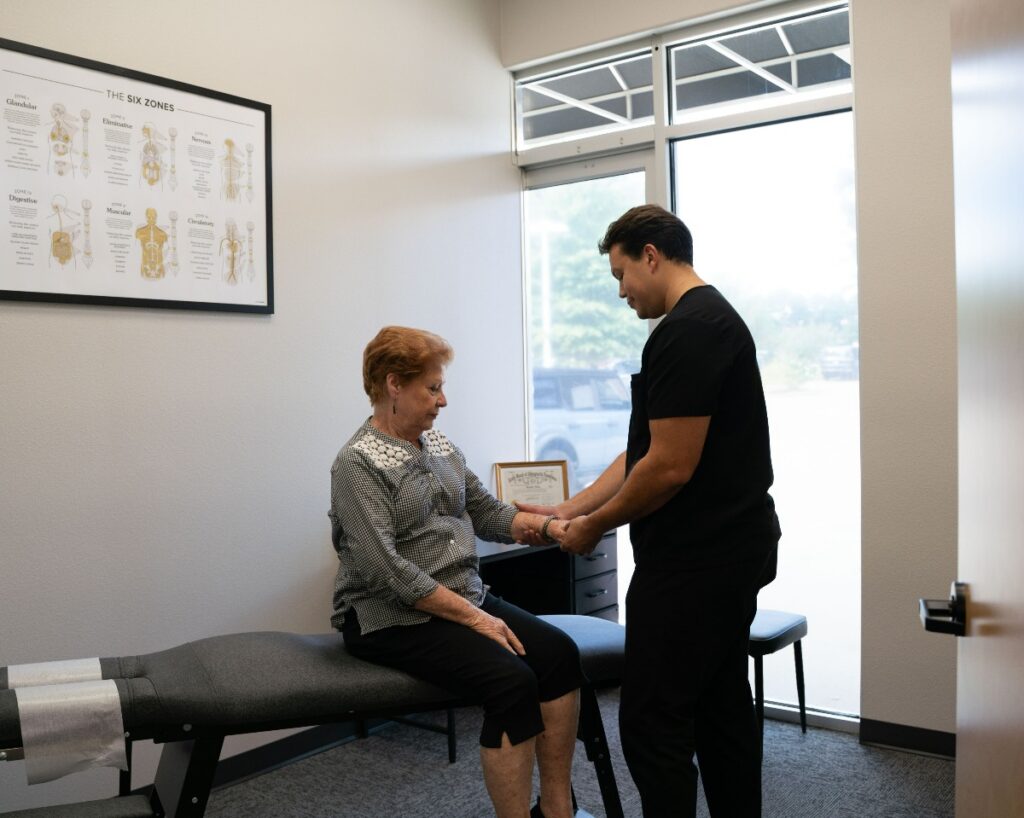

If you’re looking to improve your daily life, enhancing your mobility and flexibility is essential. Greater flexibility not only improves your range of motion but also boosts your performance in daily activities, reducing the risk of injuries along the way. But what leads to decreased flexibility, and how can you effectively improve it? Understanding these factors is crucial for fostering a more active and fulfilling lifestyle.
As a chiropractor, I believe that optimal health begins with a well-aligned spine and a body that moves freely. Chiropractic care can play a vital role in boosting your mobility and flexibility. By focusing on spinal adjustments, we can alleviate tension in your muscles and joints, allowing for better movement and overall health.
Here are some helpful techniques and strategies to enhance your flexibility and mobility:
- Regular Chiropractic Adjustments: Regular visits to your chiropractor can help to realign your spine and improve your posture, which is key to increasing flexibility. This can lead to less muscle tension and more freedom of movement.
- Stretching: Incorporate gentle stretching into your daily routine. Focus on major muscle groups and hold each stretch for 15-30 seconds. This can be done after your chiropractic adjustments to help maintain the benefits.
- Stay Active: Engage in physical activities that promote flexibility, such as yoga, Pilates, or swimming. These activities not only enhance your flexibility but also support spinal health.
- Hydration: Drink plenty of water! Staying hydrated is crucial for maintaining elasticity in your muscles and connective tissues, which in turn supports overall flexibility.
- Warm-Up: Always warm up before any physical activity. A proper warm-up increases blood flow to your muscles and prepares them for movement, reducing the risk of injury.
- Mind Your Posture: Be mindful of your posture throughout the day. Good posture can prevent stiffness and promote better alignment, which is essential for flexibility.
By understanding and implementing these strategies, you can take significant steps towards improving your mobility and flexibility. Remember, chiropractic care is a natural, non-invasive way to support your body’s health and wellness journey. Embrace these practices, and you’ll be on your way to a more active, vibrant life!
Understanding Mobility and Flexibility
Mobility and flexibility are crucial elements of your physical health, and they work closely together to keep you feeling your best. When you think about mobility, imagine your ability to move freely and easily in different directions. It’s all about how well your joints and muscles function together.
Flexibility, on the other hand, refers to how far you can stretch and bend your muscles and joints without any discomfort.
Understanding mobility and flexibility is essential for maintaining an active and fulfilling lifestyle. If your mobility is limited, simple daily tasks can become difficult, leading to frustration and a decrease in your quality of life. Tight muscles can also restrict your movement, causing stiffness and discomfort.
That’s where chiropractic care comes in. A chiropractor can help restore your mobility and flexibility through gentle adjustments and specific exercises tailored just for you. By improving spinal alignment, chiropractic care not only enhances your overall movement but also promotes better muscle function.
Here are some simple tips you can incorporate into your routine to enhance your mobility and flexibility:
- Regular Stretching: Take a few minutes each day to stretch major muscle groups. This helps relieve tension, increase flexibility, and promotes overall well-being.
- Stay Active: Engage in low-impact activities like walking, swimming, or yoga. These exercises can improve your range of motion and support joint health.
- Chiropractic Visits: Regularly visiting your chiropractor can help keep your spine aligned, which is essential for optimal mobility. Your chiropractor can also provide personalized exercises to enhance your flexibility.
- Listen to Your Body: Pay attention to any discomfort you may feel during movement. If something doesn’t feel right, consult with your chiropractor to address it before it becomes a bigger issue.
The Benefits of Increased Mobility
Improving your mobility can unlock a world of benefits that greatly enhance your physical and mental well-being. When you can move more freely, everyday activities become not only easier but also more enjoyable. Simple tasks like bending, lifting, or playing with your kids transform from challenges into opportunities to express yourself, boosting your confidence and sense of independence.
Increased mobility is also a powerful ally in reducing your risk of injuries. When you maintain a greater range of motion, your body is better equipped to adapt to sudden movements or changes in direction. Chiropractic care plays a key role in helping you achieve this, as it focuses on aligning your spine and optimizing your body’s function. By ensuring your spine is in proper alignment, chiropractic adjustments can enhance your overall mobility, improve your posture, and alleviate pain, particularly in your back and joints.
On a mental level, enhanced mobility can significantly lift your mood and decrease stress. Engaging in physical activity—especially when it’s guided by a chiropractor—can release endorphins, which are your body’s natural feel-good hormones. Movement can also serve as a form of meditation, allowing you to clear your mind and focus on the present moment.
To support your journey toward increased mobility, here are some simple tips:
- Incorporate gentle stretching into your daily routine to improve flexibility.
- Consider regular chiropractic visits to maintain spinal health and enhance your range of motion.
- Stay active with low-impact exercises like walking, swimming, or yoga, which are great for all fitness levels.
- Listen to your body and take breaks when needed—rest is just as important as movement.
Embrace the path towards improved mobility, and experience the myriad benefits it brings to your life through the power of chiropractic care!
Common Causes of Reduced Flexibility
While many individuals strive for greater flexibility, several factors can impede your progress. One significant contributor is a sedentary lifestyle. Spending too much time sitting can lead to tight muscles and stiff joints, making it more challenging to stretch effectively. Incorporating regular movement throughout your day, even simple stretches at your desk, can help keep your muscles limber.
Age is another factor that can influence flexibility. As we grow older, our muscles naturally lose some elasticity, which can limit our range of motion. However, it’s never too late to start improving flexibility through consistent stretching and chiropractic care, which can enhance overall muscle function and joint health.
Injuries can also play a considerable role in reducing flexibility. If you’ve had an injury, scar tissue may develop, restricting movement in the affected area. Chiropractic adjustments can help alleviate discomfort and promote healing, allowing your body to regain its flexibility more effectively.
Muscle imbalances, where one muscle group is stronger than its opposing group, can also restrict movement. A chiropractor can assess these imbalances and provide personalized care to help restore balance and improve mobility.
Finally, neglecting proper warm-up routines can lead to stiffness and reduced flexibility. Always take the time to prepare your muscles before engaging in physical activity. Gentle stretches and light movements can help your body get ready for more intense exercises.
By recognizing these common causes of reduced flexibility, you can take proactive steps to address them. Consider incorporating chiropractic care into your wellness routine to support natural healing and improve your overall mobility.
Essential Stretching Techniques
To enhance your flexibility and overall well-being, incorporating effective stretching techniques into your routine is essential. Start with dynamic stretches, such as arm circles and leg swings, to warm up your muscles. These movements not only prepare your body for more intense activities but also help improve your range of motion, which is key in maintaining spinal health.
Next, shift your focus to static stretches, holding each position for 15 to 30 seconds. It’s important to target major muscle groups, like your hamstrings, quadriceps, and shoulders. For instance, a seated forward bend can effectively stretch your back and hamstrings, while the butterfly stretch is excellent for opening up your hips. By keeping your muscles flexible, you can support your spine better and reduce the risk of injury.
Remember to breathe deeply during each stretch; inhaling and exhaling helps release tension throughout your body. Consistency is key, so aim to stretch at least three to four times a week. Listen to your body and aim for a gentle pull in your muscles—never push to the point of pain.
Additionally, consider incorporating chiropractic care into your wellness routine. Regular adjustments can enhance your body’s natural ability to heal, improve your posture, and increase your overall flexibility.
Dynamic vs. Static Stretching
When it comes to stretching, understanding the difference between dynamic and static stretches can greatly enhance your wellness routine and support your spinal health.
Dynamic stretching is an excellent way to prepare your muscles for activity, helping to increase blood flow and warm up the muscles before engaging in physical exercises. This type of stretching involves moving parts of your body through their full range of motion, which can be beneficial for your overall mobility and performance.
On the other hand, static stretching is best utilized after your workout. This involves holding a stretch for a period of time, which can help improve flexibility and reduce muscle tension. Incorporating static stretches into your post-workout routine can also support recovery and maintain a healthy spine, alleviating any unnecessary stress on your body.
As a chiropractor, I encourage my patients to listen to their bodies and incorporate both types of stretching as part of a balanced approach to wellness.
Here are some simple tips you can take away:
- Warm Up First: Always start with dynamic stretches before exercise to prepare your body and reduce the risk of injury.
- Cool Down: After your workout, spend time doing static stretches to help your muscles relax and promote recovery.
- Focus on Form: When stretching, ensure that you maintain proper form to avoid strain or injury.
- Consistency is Key: Regular stretching can enhance your flexibility and support spinal health over time.
Remember, chiropractic care can be a key player in your journey to optimal health. By addressing any underlying spinal issues and incorporating proper stretching techniques, you can achieve greater mobility and overall wellness.
Always consult your chiropractor for personalized advice tailored to your specific needs!
Benefits of Dynamic Stretching
Dynamic stretching provides numerous benefits that can significantly enhance your mobility and flexibility, making it a valuable addition to your routine, especially when preparing for physical activity. This active form of stretching warms up your muscles and increases blood flow, which is essential for preparing your body for movement.
When you incorporate dynamic stretches into your warm-up, you may notice improved performance in activities like running, sports, and even daily tasks, allowing them to feel easier and more fluid.
Moreover, dynamic stretching activates your core and stabilizing muscles, which can be crucial in reducing the risk of injuries. By engaging in movements that closely mimic your workout, you not only enhance your range of motion but also promote better coordination. This is particularly important for maintaining a healthy spine and overall body alignment, which are central aspects of chiropractic care.
To help you get started, here are a few simple dynamic stretches you can include in your warm-up routine:
- Leg Swings: Stand next to a wall for support and swing one leg forward and backward. This helps loosen up the hip joints and prepares the legs for activity.
- Arm Circles: Extend your arms out to the sides and make small circles, gradually increasing the size of the circles. This warms up the shoulders and upper body.
- Walking Lunges: Step forward into a lunge position, alternating legs as you move forward. This stretch activates the legs, glutes, and core.
- Torso Twists: Stand with your feet hip-width apart and gently twist your torso side to side. This helps warm up the spine and improve flexibility.
By integrating these dynamic stretches into your routine, you’re not only preparing your body for exercise but also supporting your spine and overall health.
Remember, chiropractic care is an excellent way to achieve optimal health through natural means. It can help ensure your body is functioning correctly, reducing pain and enhancing your overall well-being.
Advantages of Static Stretching
While dynamic stretching is beneficial for warming up, static stretching provides unique advantages that can enhance your flexibility and overall muscle health, which is essential for maintaining a healthy spine. When you hold stretches for longer periods, you give your muscles the opportunity to relax and lengthen, improving your range of motion. This increased flexibility can help reduce the risk of injury during physical activities, allowing you to enjoy movement without discomfort.
Moreover, static stretching encourages better blood flow to your muscles, which is vital for recovery after a workout or any physical exertion. By incorporating static stretches into your routine, particularly after exercising, you can aid your body’s natural healing processes and support your overall well-being.
It’s also important to remember that static stretching is a fantastic way to relieve muscle tension and stress, which can positively impact your mental health. For those seeking a natural approach to wellness, regular stretching can be a simple yet effective way to promote relaxation and balance in your body.
As a chiropractor, I encourage you to prioritize static stretching as part of your health regimen. Not only can it lead to better performance and increased flexibility over time, but it also complements the benefits of chiropractic care.
Together, they can help you achieve and maintain optimal health. So, take a moment after your workouts to enjoy some good static stretches and feel the difference they can make in your life!
Incorporating Mobility Exercises Into Your Routine
To enhance your mobility and overall well-being, I recommend incorporating a daily mobility warm-up into your routine. This practice not only prepares your body for movement but also helps maintain a healthy spine, which is crucial for optimal health.
Start by familiarizing yourself with effective stretching techniques that promote flexibility and reduce tension in your muscles.
Additionally, consider integrating functional movements into your daily activities. Simple exercises like squats, lunges, and gentle twists can help keep your joints moving freely and support spinal health.
Remember, maintaining a healthy spine is key to feeling your best and preventing discomfort.
By making mobility exercises a regular part of your life, you’ll not only improve your movement but also enhance your overall quality of life.
Chiropractic care can further support your journey to optimal health by addressing any misalignments in your spine and promoting natural healing.
Daily Mobility Warm-Up
Incorporating a daily mobility warm-up into your routine can significantly enhance your flexibility and overall movement quality, which is essential for maintaining a healthy spine. As a chiropractor, I believe that taking just 10-15 minutes each day to focus on mobility exercises can lead to remarkable benefits for your body.
Start your warm-up with some gentle dynamic movements like arm circles, leg swings, and torso twists. These exercises help to promote blood flow and prepare your body for the day ahead.
Following that, incorporate joint-specific exercises that target key areas such as your hips, shoulders, and spine. Improving the range of motion in these areas can alleviate tension and reduce the risk of injury.
It’s important to engage your core and maintain proper posture throughout these exercises. This not only supports your spine but also enhances the effectiveness of your mobility routine. You can easily integrate these exercises into your morning routine or perform them before your workouts.
By committing to this daily warm-up, you’re not just improving your flexibility; you’re also paving the way for better spinal health. This can lead to increased ease in daily activities, reduced discomfort, and improved athletic performance.
Stretching Techniques Overview
Stretching techniques are an important part of maintaining your mobility and flexibility, and as a chiropractor, I believe they can greatly enhance your overall health and wellness. Incorporating a variety of stretching methods into your routine can’t only improve your range of motion but also help prevent injuries, which is essential for maintaining a healthy spine and body.
Start your day or workout with dynamic stretches. These involve controlled movements that warm up your muscles and prepare them for activity, making them a great way to kick off your routine. Think of movements like arm circles or leg swings that get your blood flowing.
After physical activity, it’s crucial to focus on static stretching. Hold each stretch for 15-30 seconds to promote muscle recovery and enhance flexibility. This is especially important for the muscles that support your spine, as it can help alleviate tension and reduce discomfort.
Another effective method is PNF (Proprioceptive Neuromuscular Facilitation) stretching. This technique involves contracting and then relaxing muscles, which can significantly increase flexibility. While this may sound complex, you can start by simply holding a stretch, then gently pushing against it, and relaxing before deepening the stretch.
Aim to mix these techniques into your routine, focusing on major muscle groups that support your spine, such as your back, hips, and legs. Consistent practice of these stretching techniques can lead to improved mobility and make daily activities feel easier.
Remember, chiropractic care is an excellent way to enhance your overall health and support your body’s natural healing processes. By integrating regular stretching and seeking chiropractic adjustments, you can maintain a healthy spine, alleviate pain, and enjoy a more active lifestyle without the need for invasive treatments or medication.
Always listen to your body, and if you’re unsure about the best techniques for your specific needs, consult with your chiropractor for personalized guidance.
Functional Movement Integration
As a local chiropractor, I want to emphasize the importance of incorporating functional movement exercises into your daily routine to enhance your mobility and overall physical performance.
These exercises not only promote strength and flexibility but also play a crucial role in reducing the risk of injury, all of which align beautifully with the principles of chiropractic care.
Here’s how you can seamlessly integrate these movements into your life for better health:
- Squats: This simple movement engages your legs and core, improving stability, which is essential for spinal health. Aim for proper form to ensure you’re protecting your back while strengthening your muscles.
- Lunges: These are great for enhancing balance and strengthening your lower body muscles. Balance is key in maintaining a healthy spine, and lunges can help support that.
- Push-ups: Not only do push-ups build upper body strength, but they also promote shoulder mobility. Maintaining healthy shoulders is vital for overall posture and spinal alignment.
- Planks: This exercise strengthens your core, which is foundational for good posture. A strong core supports your spine, helping you maintain proper alignment and reduce the risk of pain.
Remember, incorporating these functional movements into your routine can be beneficial for your overall health and wellness.
Additionally, regular chiropractic adjustments can enhance your body’s function and support your physical activities.
If you ever feel discomfort or pain, don’t hesitate to consult with a chiropractor for natural, effective relief.
The Role of Yoga and Pilates
As a chiropractor, I understand the importance of maintaining optimal mobility and flexibility for overall health and wellness. Many people look to various practices to enhance their physical well-being, and I’d like to highlight the benefits of yoga and Pilates while emphasizing the role of chiropractic care in your journey towards better health.
Yoga is a wonderful practice that emphasizes the connection between breath and movement. By incorporating yoga into your routine, you can improve your flexibility, balance, and coordination. The poses not only help stretch and strengthen your muscles but also promote relaxation, which is vital for stress relief.
However, while yoga can be beneficial, it’s essential to ensure that your spine is properly aligned for optimal performance. This is where chiropractic care comes in. Regular adjustments can enhance your body’s ability to move freely, allowing you to fully enjoy the benefits of yoga.
On the other hand, Pilates focuses on building core strength and stability, which is crucial for supporting your spine and improving your posture. Engaging your core through Pilates can lead to better alignment and reduced discomfort throughout your body.
Just like with yoga, incorporating chiropractic adjustments can further enhance the effects of Pilates, ensuring that your spine is in the best shape to support all the movements you’re practicing.
Combining yoga, Pilates, and chiropractic care can lead to significant improvements in your mobility and overall health. Each practice complements the other, allowing you to build strength while enhancing flexibility.
This holistic approach creates a more balanced and resilient body, helping you to live a healthier life free from pain.
Here are some general tips to keep in mind:
- Listen to Your Body: Pay attention to how you feel during yoga and Pilates sessions. If you experience any discomfort, consult with a chiropractor for guidance.
- Stay Consistent: Regular practice of yoga and Pilates, along with chiropractic care, can lead to lasting improvements in your mobility.
- Focus on Core Strength: Incorporate core-strengthening exercises into your routine, as a strong core supports your spine and overall posture.
- Schedule Regular Chiropractic Visits: Regular adjustments can help maintain your spinal health and enhance your ability to perform yoga and Pilates effectively.
Foam Rolling for Better Flexibility
Foam rolling can be an excellent addition to your wellness routine, especially when it comes to improving flexibility and overall muscle function. By targeting tight muscles and fascia, foam rolling helps release tension and enhances your range of motion, which is essential for maintaining a healthy spine and body.
Here’s how foam rolling can benefit you:
- Increases blood flow: Foam rolling promotes circulation, ensuring that your muscles receive the nutrients they need to function optimally.
- Reduces soreness: It can play a vital role in post-workout recovery by alleviating muscle tightness, which can lead to pain and discomfort if left untreated.
- Improves muscle elasticity: Regular foam rolling helps lengthen your muscles, contributing to better flexibility and supporting spinal health.
- Enhances performance: By preparing your body for physical activity, foam rolling can reduce the risk of injury, allowing you to maintain an active lifestyle.
Incorporating foam rolling into your daily routine is simple and doesn’t require much time. Just a few minutes each day can lead to significant improvements in your flexibility and overall well-being.
Remember, whether you’re an athlete or just looking to move better, foam rolling is a practical tool to help you achieve your health goals.
As a chiropractor, I always emphasize the importance of combining such practices with regular chiropractic care. Chiropractic adjustments can help realign your spine, improve your posture, and enhance your nervous system function, which further supports your flexibility and overall health.
Tips for Staying Consistent
How can you stay consistent with your mobility and flexibility routine? First, it’s essential to set realistic goals that align with your lifestyle. Breaking down your objectives into smaller, achievable steps will help keep you motivated and engaged.
Consider scheduling your sessions at the same time each day; establishing a routine can be a powerful way to create lasting habits, and consistency is key to achieving optimal health.
Next, choose activities that you genuinely enjoy. Whether it’s yoga, dynamic stretching, or simple mobility drills, loving what you do makes it much easier to stick with it. Keeping a journal to track your progress can be incredibly motivating; seeing your improvements over time can significantly boost your determination and commitment to your health journey.
Incorporating your mobility routine into daily activities can also be beneficial. For example, try stretching while watching TV or doing mobility work during breaks at work. This way, you can seamlessly weave your health practices into your everyday life without feeling overwhelmed.
Consider partnering up with a friend or joining a class for extra accountability and support. Having someone to share your journey with can make the process more enjoyable and help you stay consistent.
Lastly, always remind yourself of the benefits you’re gaining from your efforts. Staying focused on your progress not only enhances your commitment but also reinforces the importance of maintaining a healthy spine and overall wellness.
Remember, chiropractic care can play a crucial role in your mobility and flexibility journey. Regular chiropractic adjustments can help support your body’s natural healing processes, improve your range of motion, and reduce discomfort, allowing you to engage more fully in your mobility routine.
Embrace a holistic approach to health, and you’ll be on your way to feeling your best!
Listening to Your Body: Avoiding Injury
Listening to your body is crucial for preventing injury as you work towards your mobility and flexibility goals. By tuning in to how you feel physically, you can make smart choices about your activities. Here are some important signs to pay attention to:
- Pain: If you experience sharp or constant pain, it’s important to stop and evaluate what you’re doing. Pain is your body’s way of signaling that something may be wrong, and ignoring it can lead to further issues.
- Fatigue: Notice when you’re feeling unusually tired. This can be a sign that your body needs a break, and it’s a good idea to rest or adjust your routine. Overworking yourself can lead to discomfort and setbacks.
- Stiffness: While a certain level of stiffness is normal, especially if you’re starting a new activity, severe tightness might indicate that you’re pushing too hard. Gentle stretching and chiropractic care can help alleviate this stiffness and promote better movement.
- Breathing: Pay attention to your breathing. If it becomes shallow or difficult, it’s a sign to slow down and recalibrate. Deep, steady breath is essential for your body to function optimally.
Incorporating regular chiropractic care can be a game-changer for maintaining your overall health and wellness. A chiropractor can help ensure that your spine is aligned and your body is functioning at its best, which can greatly reduce pain, enhance mobility, and support your natural healing processes.
Conclusion
Unlocking your mobility and flexibility is just a few steps away, and chiropractic care can play a vital role in this journey! By focusing on daily stretching, yoga, and functional exercises, you can enhance your range of motion and help prevent injuries. However, it’s essential to listen to your body and make adjustments to your routine to avoid any strains.
Chiropractic care is a natural and effective way to support your body’s movement and flexibility. Regular visits to a chiropractor can help align your spine, which in turn can improve your overall mobility and reduce discomfort. Remember, a well-aligned spine is key to optimal health and wellness.
Incorporating chiropractic adjustments into your routine not only addresses pain relief but also promotes better function of your nervous system, which controls every movement in your body. By maintaining a healthy spine, you’ll set the stage for a more active lifestyle and enhance your overall well-being.
Here are some simple tips you can take away to help boost your mobility and flexibility:
- Daily Stretching: Make it a habit to stretch every day. Focus on major muscle groups, including your back, hips, and legs.
- Incorporate Yoga: Yoga can improve flexibility and strength. Look for beginner classes or online tutorials that focus on gentle movements.
- Stay Active: Engage in activities like walking, swimming, or cycling to keep your body moving and your muscles engaged.
- Chiropractic Care: Schedule regular appointments with your chiropractor to maintain spinal health and address any pain or discomfort early on.
- Mind Your Posture: Be mindful of your posture throughout the day. Good posture reduces strain on your spine and promotes better overall alignment.
Embrace this journey toward better mobility and flexibility with chiropractic care guiding you along the way. By prioritizing your spinal health and adopting these tips, you’ll unleash your body’s full potential for movement and energy!