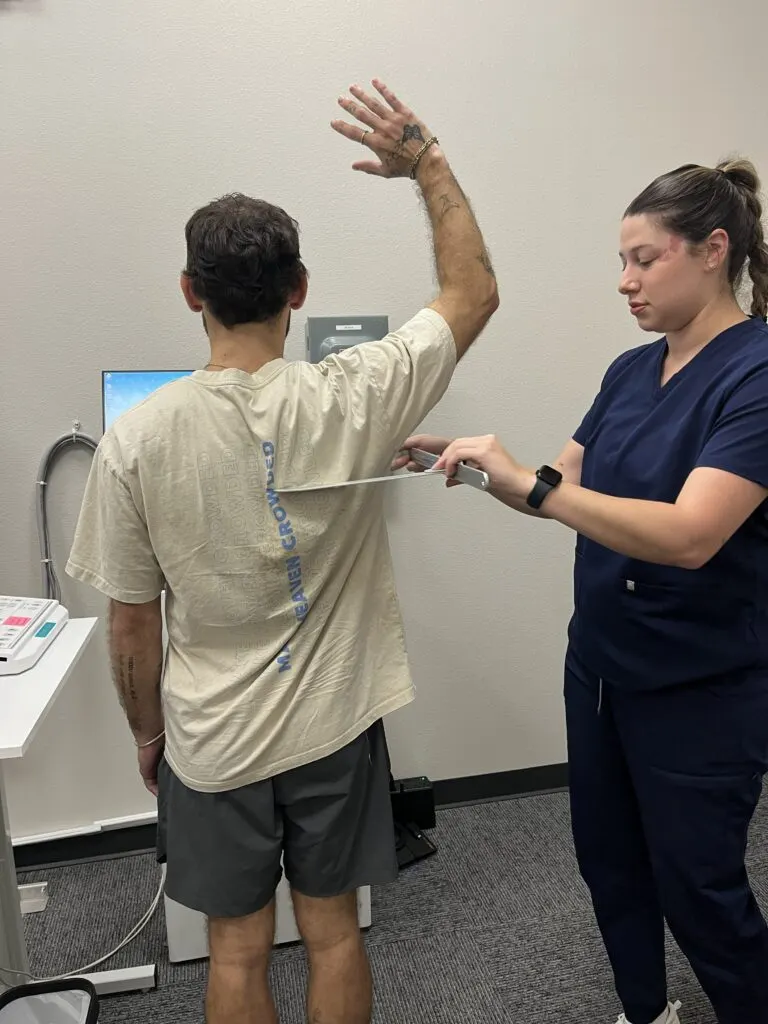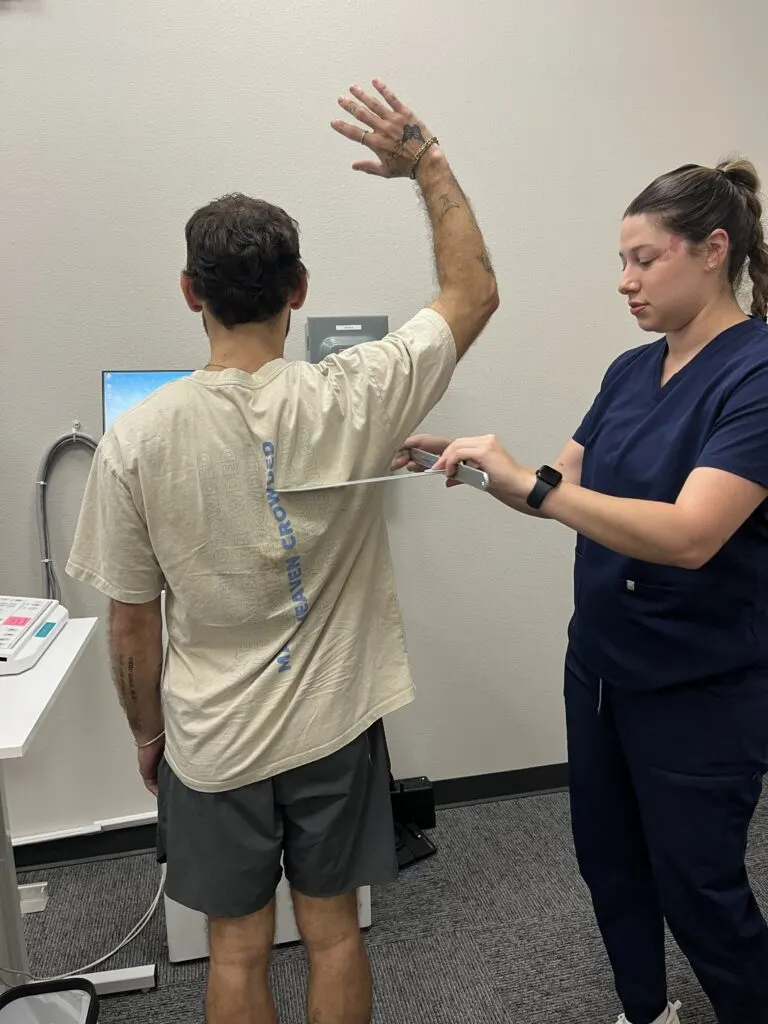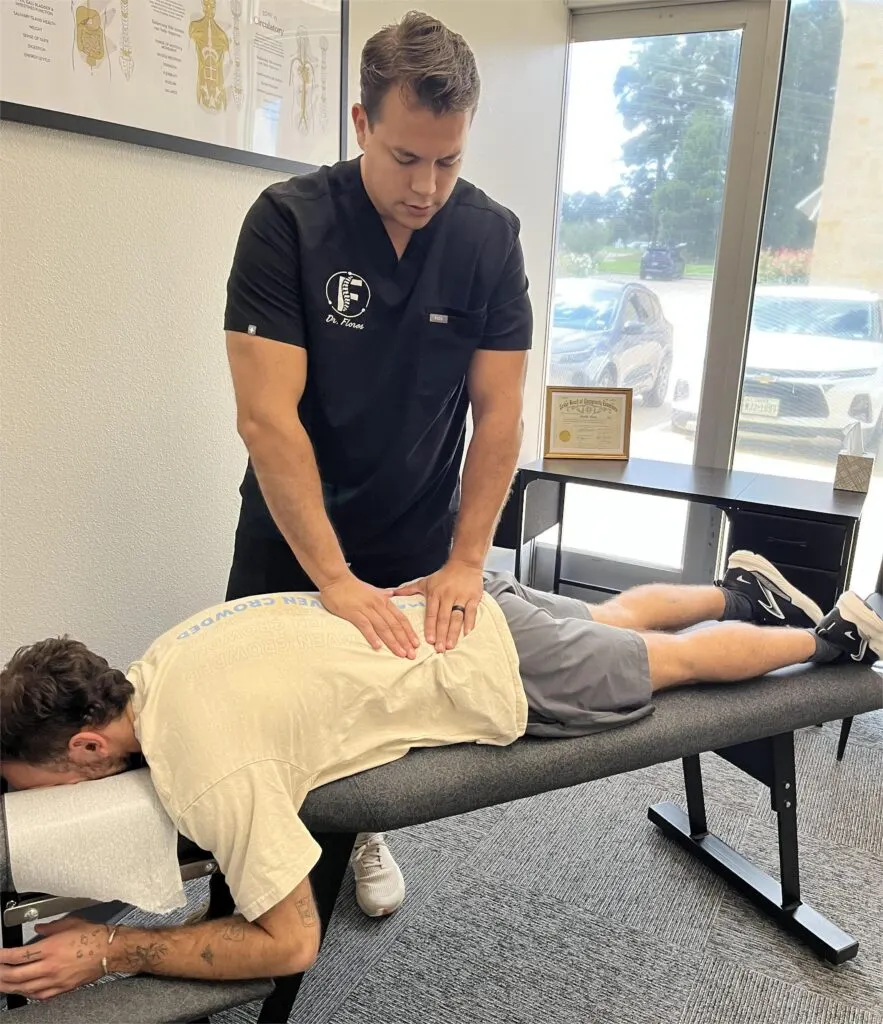

Flexibility is a crucial aspect of your overall health and wellness. It influences your range of motion, helps prevent injuries, and boosts your performance in everyday activities. As a chiropractor, I believe that enhancing your flexibility can significantly contribute to your spinal health and overall well-being.
To effectively improve your flexibility, consider incorporating a variety of techniques into your daily routine. Dynamic stretches are a great way to warm up your muscles and prepare your body for movement. These stretches involve controlled movements that increase your range of motion and can be particularly beneficial before physical activity.
Yoga is another excellent practice that not only enhances flexibility but also promotes relaxation and mindfulness. Many yoga poses focus on stretching and strengthening the muscles that support your spine, which can lead to improved posture and reduced back pain.
It’s important to listen to your body and take your time when working on your flexibility. Here are some simple tips to help you along the way:
- Consistency is Key: Aim to incorporate flexibility exercises into your routine several times a week. This will help you gradually improve your range of motion.
- Warm Up First: Always start with a light warm-up to get your blood flowing. This can be as simple as walking or doing gentle movements to loosen up your body.
- Focus on Your Breathing: Deep, steady breaths can help you relax and get the most out of your stretches.
- Stay Hydrated: Proper hydration supports muscle function and can help you feel more limber.
- Listen to Your Body: If a stretch feels uncomfortable or painful, ease back. Flexibility takes time, and pushing too hard can lead to injury.
By incorporating these practices into your lifestyle and considering chiropractic care as an integral part of your wellness journey, you can achieve greater flexibility, reduce discomfort, and promote a healthier, more active life. Remember, chiropractic care not only addresses spinal alignment but also supports your body’s natural ability to heal and thrive.
Understanding Flexibility and Its Benefits
Flexibility is an important component of overall health and well-being, and it goes beyond just being able to touch your toes. As a chiropractor, I believe that incorporating flexibility training into your daily routine can significantly enhance your spinal health and overall physical performance. When you work on your flexibility, you’re not only improving your range of motion, but you’re also helping to support your spine and reduce the risk of injury.
Increased flexibility can lead to better posture, which is vital for a healthy spine. Good posture helps prevent unnecessary strain on your back and neck, reducing the likelihood of discomfort and pain. You’ll also find that everyday activities—like bending to tie your shoes or reaching for items on a high shelf—become easier and more comfortable.
Moreover, flexibility can help relieve muscle tension and stress, promoting relaxation and mental clarity. When your body is flexible, it allows for better circulation and nerve function, which are essential for your body’s healing processes. This is where chiropractic care can play a crucial role. Regular chiropractic adjustments can enhance your flexibility and help align your spine, further supporting your well-being.
As you focus on improving your flexibility, consider adding simple stretches to your routine, like gentle neck rolls or seated forward bends. These can be done at home or even at your desk.
The Importance of Warm-Up Exercises
Before you begin stretching, it’s crucial to incorporate warm-up exercises into your routine. These exercises significantly enhance blood circulation, preparing your muscles and joints for the activity ahead.
By properly warming up, you not only improve your flexibility but also reduce the risk of injury, which is essential for maintaining a healthy spine and overall well-being.
As a chiropractor, I encourage my patients to take a few minutes for warm-up exercises before any physical activity, whether it’s a workout, yoga session, or even daily tasks. Simple movements like gentle twists, arm circles, and leg swings can effectively loosen your muscles and joints.
Remember, a well-prepared body is less prone to aches and pains, and this is where chiropractic care can play a vital role in your health journey. Regular chiropractic adjustments help ensure your spine is aligned, promoting optimal function and enhancing your body’s ability to perform warm-up exercises safely and effectively.
Incorporating these warm-up routines can make a significant difference in how your body feels during and after any activity.
Enhances Blood Circulation
As a local chiropractor, I want to emphasize how important it’s to warm up properly before any workout. Not only does warming up enhance blood circulation, but it also prepares your body for movement, helping to prevent injuries and promote overall wellness.
Here are some effective warm-up techniques that can benefit your spine and overall health:
- Dynamic stretches: Movements like leg swings and arm circles not only loosen up your joints but also help improve your spinal flexibility. This is crucial for maintaining a healthy posture and reducing tension in the back.
- Light cardio: Activities such as jogging or jumping jacks for 5-10 minutes can significantly elevate your heart rate and increase blood flow to your muscles. This is a natural way to prepare your body for more intense activity without putting extra strain on your spine.
- Mobility drills: Focus on exercises that enhance hip and shoulder mobility. Improving flexibility in these areas can support proper spinal alignment, which is essential for overall health.
- Gradual intensity: Begin with lower intensity exercises before progressing to your main workout. This approach allows your body to adapt, reducing the risk of strains or sprains, especially in the back.
Remember, incorporating these warm-up techniques not only enhances your workouts but also supports your spinal health.
Regular chiropractic care can further optimize your body’s function and well-being, ensuring you stay active and pain-free. Prioritizing your health through natural methods like chiropractic adjustments can lead to a balanced and healthier lifestyle.
Prevents Injury Risks
Warming up is crucial in preventing injury risks during physical activities, and as a chiropractor, I want to emphasize how it sets the stage for a healthy and pain-free workout. When you take the time to gradually increase your heart rate and loosen your muscles, you’re preparing your body for the physical demands ahead. Skipping this important step can lead to strains, sprains, and other injuries that might keep you sidelined for weeks.
Incorporating dynamic stretches and mobility exercises into your warm-up routine is a fantastic way to prime your joints and muscles, making them more resilient. These movements not only help with flexibility but also promote better spinal alignment, which is vital for overall health.
Focusing on specific movements that mimic your workout can enhance your coordination and balance, which are essential for injury prevention. Remember, a proper warm-up only takes a few minutes but can greatly improve your performance and safety. Prioritizing your warm-up routine is a simple yet effective way to keep yourself injury-free and ready to tackle your fitness goals.
As you warm up, consider incorporating stretches that also promote spinal health. Gentle twists and side bends can help maintain spinal flexibility and alignment, which are key to avoiding pain and discomfort.
Always listen to your body and avoid pushing yourself too hard during your warm-up; it’s about preparing your body, not exhausting it.
So, let’s make warming up a priority in your routine. It’s a small investment of time that can lead to a healthier, pain-free lifestyle and support your journey towards optimal health through natural means.
Dynamic Stretching Techniques
Dynamic stretching is a fantastic way to not only improve your flexibility but also enhance your overall performance, especially when paired with regular chiropractic care. As a chiropractor, I emphasize the importance of maintaining a healthy spine and body to support your movement and well-being.
By incorporating dynamic stretches into your routine, you can warm up your muscles effectively and increase your range of motion, all while supporting your spinal health.
Let’s take a look at some essential dynamic stretches you can start using today along with the benefits they offer:
- Leg Swings: Stand next to a wall for support. Swing one leg forward and backward, keeping your posture upright. This helps open up your hips and prepares your lower body for activity.
- Arm Circles: Extend your arms out to the sides and make small circles, gradually increasing the size. This helps to warm up your shoulders and upper back, which is crucial for maintaining a healthy spine.
- Walking Lunges: Step forward into a lunge, alternating legs as you move. This not only stretches your hip flexors but also engages your core, supporting your spine’s alignment.
- Torso Twists: Stand with your feet shoulder-width apart and gently twist your torso side to side. This dynamic stretch promotes spinal mobility and helps prevent stiffness.
The benefits of dynamic stretching go beyond just flexibility. By integrating these movements into your warm-up routine, you can help reduce the risk of injury, improve your posture, and boost your overall performance.
Remember, when your body is functioning optimally, with the help of chiropractic care, you can enjoy a more active and healthier lifestyle.
As you incorporate these dynamic stretches, always listen to your body. If you experience any discomfort or pain, it’s essential to consult with your chiropractor, who can provide personalized guidance and support to ensure your movements are safe and effective.
Embrace the natural healing benefits of chiropractic care and dynamic stretching for a healthier, pain-free life!
Benefits of Dynamic Stretching
Dynamic stretching is a powerful tool for athletes and fitness enthusiasts alike, and for good reason: it offers numerous benefits that can enhance performance and reduce the risk of injury. As a chiropractor, I believe incorporating dynamic stretching into your routine can be an excellent way to support your spinal health and overall well-being. Here are some key advantages you can experience:
- Increased Blood Flow: Warming up your muscles through dynamic stretching boosts circulation, which is essential for delivering oxygen and nutrients to your body. This prepares your muscles for the demands of a workout and supports spinal health.
- Enhanced Range of Motion: Dynamic stretching promotes joint mobility, allowing for greater movement efficiency. This is particularly important for maintaining a healthy spine, as it encourages proper alignment and flexibility, reducing strain on your back.
- Improved Coordination: Engaging in dynamic stretches sharpens your motor skills, making you more agile during physical activities. Better coordination can help prevent falls and injuries, supporting your overall health and wellness.
- Reduced Muscle Stiffness: Actively stretching helps decrease the likelihood of strains and pulls, which is crucial for keeping your body safe while exercising. This is especially beneficial for your spine, as it can help maintain proper posture and alignment.
Incorporating dynamic stretching into your fitness routine can significantly impact your health journey. Remember to listen to your body and stretch within a comfortable range.
Additionally, consider regular chiropractic care to further enhance your overall wellness, as it can help ensure your spine is aligned and functioning optimally. By combining dynamic stretching with chiropractic adjustments, you can achieve a healthier, more active lifestyle.
Key Dynamic Stretching Exercises
Incorporating dynamic stretching into your routine can significantly improve your flexibility and overall well-being, especially when paired with chiropractic care. As a chiropractor, I want to share some specific dynamic stretching exercises that can help you feel your best while supporting spinal health.
Start with leg swings. Gently swing one leg forward and backward while keeping your movements controlled. This exercise not only helps to loosen your hips but also promotes better alignment of your spine.
Next, try walking lunges; step forward into a lunge, alternating legs as you move. This exercise engages your core and helps maintain stability, which is essential for spinal health.
Arm circles are another excellent choice for warming up your shoulders. Extend your arms out to the side and make small circles, gradually increasing the size. This movement helps improve shoulder mobility, which is crucial for maintaining good posture.
Don’t skip high knees! Jogging in place while lifting your knees toward your chest not only warms up your legs but also gets your heart rate up, promoting overall circulation.
Finally, include torso twists in your routine to help loosen your spine. Stand with your feet shoulder-width apart and gently rotate your upper body side to side. This exercise encourages spinal flexibility and can alleviate tension in your back.
By incorporating these dynamic stretching exercises into your daily routine, you can enhance your flexibility and support your overall health.
Static Stretching: When and How to Use It
Static stretching can play a significant role in enhancing your flexibility and overall wellness, especially when included in your routine after a workout or physical activity. By holding stretches for a longer duration, you can improve muscle elasticity and increase your range of motion, both of which are essential for maintaining a healthy spine and preventing injury.
Here’s how to make the most of static stretching in conjunction with chiropractic care:
- Timing: It’s best to stretch after your workout, as this helps prevent muscle fatigue and allows your body to recover effectively. Incorporating stretching into your post-exercise routine can complement the adjustments you receive from your chiropractor.
- Duration: Hold each stretch for 15-30 seconds. Aim to feel a gentle pull in your muscles without any pain. This approach not only helps with flexibility but also supports the spine by promoting a balanced muscular system.
- Breathing: Practice deep and steady breathing while you stretch. This helps relax your muscles and enhances the effectiveness of your stretches. Focused breathing can also assist in reducing tension in the body, further benefiting your spinal health.
- Focus: Target major muscle groups like your hamstrings, quadriceps, shoulders, and back. A balanced approach to stretching can help alleviate tightness that may contribute to discomfort or misalignments in the spine.
Integrating static stretches into your routine can lead to improved flexibility, better spinal alignment, and overall enhanced performance in daily activities.
Incorporating Yoga for Enhanced Flexibility
After exploring the benefits of static stretching, it’s clear that incorporating yoga can significantly enhance your flexibility and overall well-being. Yoga isn’t just about stretching; it combines gentle movements with controlled breathing, which can help you release tension and improve your range of motion. This is particularly beneficial for spinal health, as a flexible spine can lead to better posture and reduced pain.
Practicing poses like Downward Dog, Forward Fold, and Pigeon can target various muscle groups, helping to alleviate tightness that may contribute to discomfort. If you’re new to yoga, consider starting with beginner-friendly classes to build your confidence and understanding of the movements. Remember, the goal is to listen to your body—never push yourself too hard.
As you practice, focus on your breath. Inhaling deeply can encourage your muscles to lengthen, while exhaling allows you to sink deeper into your stretches. Aim for at least two to three sessions per week; with consistency, you’ll likely notice significant improvements in your flexibility, strength, and even mental clarity.
In addition to yoga, chiropractic care is an excellent way to support your journey toward optimal health. Regular chiropractic adjustments can help keep your spine aligned, improving the effectiveness of your yoga practice and reducing any discomfort you may experience. Together, these practices can lead to a healthier, more balanced life.
Foam Rolling: A Tool for Muscle Recovery
Foam rolling can be a fantastic addition to your muscle recovery routine, especially when you’re seeking natural ways to enhance your overall health and wellness. Not only does it help alleviate soreness and improve flexibility, but it also complements chiropractic care beautifully.
By incorporating foam rolling into your regimen, you can target specific muscle groups, release tension, and support your body’s natural healing processes. Here are some key benefits of foam rolling that align well with the principles of chiropractic care:
- Increases Blood Flow: Foam rolling enhances circulation, which is essential for delivering vital nutrients to your muscles and promoting healing throughout your body.
- Reduces Muscle Soreness: Engaging in foam rolling can significantly decrease delayed onset muscle soreness (DOMS) that often follows intense workouts. This means you’ll recover faster and be ready for your next session.
- Improves Range of Motion: Regular foam rolling can enhance your flexibility, making movements smoother and allowing your body to function more efficiently. This improved range of motion can complement the adjustments you receive from your chiropractor.
- Promotes Relaxation: Foam rolling is a wonderful way to reduce stress and tension, both physically and mentally. Just like chiropractic care, it encourages relaxation, which is vital for overall well-being.
Incorporating foam rolling into your routine can help you feel more limber and prepared for your next workout.
Specific Stretching Routines for Different Muscle Groups
To maximize the benefits of your muscle recovery routine, incorporating specific stretching routines for different muscle groups is an excellent way to enhance flexibility and promote natural healing. As a chiropractor, I emphasize the importance of maintaining a healthy spine and muscle balance for overall wellness.
Start with your hamstrings; seated forward bends are a gentle way to lengthen these muscles, reducing tension that can affect your lower back. For your quadriceps, try standing and pulling one foot towards your glutes. This not only stretches your quads but also helps maintain proper alignment in your hips and spine.
Don’t forget your hip flexors—lunging stretches can open up tight areas, especially after sitting for long periods, and support a healthy posture.
When targeting your upper body, focus on your shoulders and chest with doorway stretches. These stretches can help relieve tightness that often contributes to spinal misalignments. For your back, cat-cow stretches are fantastic for improving flexibility and relieving tension, promoting a healthy range of motion.
Finally, for your arms and wrists, extend your arms overhead while gently pulling on one side. This can help alleviate stress and tension that builds up in your upper body.
Incorporate these stretches into your routine at least three times a week, holding each stretch for 15 to 30 seconds. This practice will keep your muscles supple and ready for action, enhancing your overall performance and reducing the risk of injury.
Breathing Techniques to Improve Flexibility
How can breathing techniques enhance your flexibility and overall well-being? By incorporating focused breathing into your stretching routine, you can’t only improve your flexibility but also support your spinal health.
Deep, controlled breaths help relax your muscles, allowing them to stretch more effectively and naturally. Here are four simple breathing techniques to try:
- Diaphragmatic Breathing: Begin by inhaling deeply through your nose, allowing your diaphragm to expand. This encourages full lung capacity and helps your body relax, which is essential for optimal spinal alignment.
- Box Breathing: Inhale for four counts, hold for four counts, exhale for four counts, and pause for four counts. This method calms your mind and body, creating a peaceful environment that enhances your stretching experience.
- Extended Exhale: Take a deep breath in, then exhale slowly, focusing on making your exhale longer than your inhale. This technique can help release tension in your muscles and promote a sense of relaxation throughout your spine.
- Focused Breathing: While you’re stretching, pay attention to your breath. Visualize your muscles loosening and your spine aligning with each exhale. This mindfulness can enhance your stretch and contribute to better posture.
Integrating these techniques into your daily routine not only supports improved flexibility but also promotes overall health and wellness.
Consistency: Building a Flexibility Routine
While it might be tempting to skip stretching on busy days, consistency is key to building an effective flexibility routine that can complement your chiropractic care. Making flexibility a priority can help relieve tension and improve your overall well-being.
Set aside specific times in your day for stretching—whether it’s in the morning, during your lunch break, or before you head to bed. Find what fits best into your schedule and stick to it for optimal results.
Start with shorter stretching sessions and gradually increase the duration as you become more comfortable. Focus on different muscle groups each time to ensure a well-rounded approach that supports your spine and overall posture.
Using reminders—like calendar alerts or sticky notes—can help keep you accountable and make stretching a regular part of your routine.
Incorporate flexibility exercises that you enjoy, as this will make the routine feel less like a chore. Consider trying yoga stretches, dynamic movements, or specific exercises that target areas where you may feel tightness.
The more you integrate these practices into your daily life, the easier it will become to maintain them.
Remember, even dedicating just a few minutes each day to stretching can lead to significant improvements over time. Not only will it enhance your flexibility, but it can also support your chiropractic treatment by promoting better alignment and reducing discomfort.
Stay committed to your flexibility routine, and you’ll likely notice the positive effects on your body and mind! Embracing these natural healing practices can help you achieve optimal health without the need for surgeries or medications.
Tracking Your Progress and Staying Motivated
Tracking your progress in flexibility training isn’t just beneficial for your flexibility goals; it also plays a key role in your overall health and wellness journey.
As a chiropractor, I emphasize the importance of understanding how your body moves and feels, which can enhance your spinal health and contribute to pain relief. When you monitor your improvements, you can gain insight into how your body is responding, reinforcing your commitment to a healthier lifestyle.
Here are some effective ways to track your flexibility progress while supporting your overall wellness:
- Keep a Flexibility Journal: Write down your stretches, durations, and any milestones you achieve. This journal not only serves as a record of your progress but also helps you understand how your body adapts and responds to different movements, which is essential for maintaining spinal health.
- Take Photos: Regularly capture your poses to visually document your improvements over time. Seeing your progress can elevate your motivation and encourage you to continue your journey towards better flexibility and well-being.
- Set Goals: Establish short-term and long-term flexibility goals. This practice aligns with the chiropractic philosophy of setting achievable health milestones, allowing you to celebrate each success and stay focused on your wellness journey.
- Use Apps or Trackers: Leverage technology to log your sessions and monitor your progress easily. Many apps can help track not only your flexibility but also other aspects of your health, promoting a more holistic approach to wellness.
By incorporating these strategies into your routine, you can effectively track your flexibility progress while also nurturing your spinal health.
Remember, chiropractic care is an excellent way to support your journey toward optimal health, ensuring that your body functions at its best as you work towards your flexibility goals.
Stay motivated, and keep your focus on the benefits of a healthy, flexible body!
Conclusion
Incorporating effective techniques into your daily routine can significantly enhance your flexibility and overall well-being. As a chiropractor, I emphasize the importance of starting with a proper warm-up to prepare your muscles and joints for movement. Engaging in both dynamic and static stretching is essential; these methods help improve your range of motion and reduce the risk of injury.
Yoga is another fantastic way to boost flexibility while promoting relaxation and mindfulness. It not only aids in physical flexibility but also contributes to mental clarity, which is vital for holistic health. Remember to focus on your breathing throughout these practices—deep, controlled breaths can help you connect with your body and enhance your stretching benefits.
Consistency is key in your journey toward greater flexibility. By making flexibility training a regular part of your routine, you’ll notice improvements over time, which can help motivate you to continue. I recommend tracking your progress; this can be as simple as noting how you feel after each session or observing how your range of motion improves.
Embracing this journey towards increased flexibility can also have positive effects on your spinal health. A well-aligned spine contributes to better posture, reduced pain, and overall enhanced physical function. Chiropractic care plays a crucial role here, as it helps ensure your spine is in optimal alignment, allowing your body to move freely and without discomfort.
Start today and experience the difference that a commitment to flexibility and wellness can make in your life. Remember, the path to optimal health is a journey, and chiropractic care is a supportive partner every step of the way.