
Boosting your flexibility is more important than you might think, especially when it comes to maintaining a healthy spine and overall well-being. Improved flexibility enhances your mobility, helps prevent injuries, and can even contribute to better athletic performance. As a chiropractor, I encourage you to start by assessing your current flexibility levels and identifying any tight areas in your body.
A great way to begin your journey toward greater flexibility is to incorporate various stretching techniques into your daily routine. Consider gentle stretches like neck rolls, shoulder stretches, and hamstring stretches, which can be done at home or even at your desk. Remember, consistency is key!
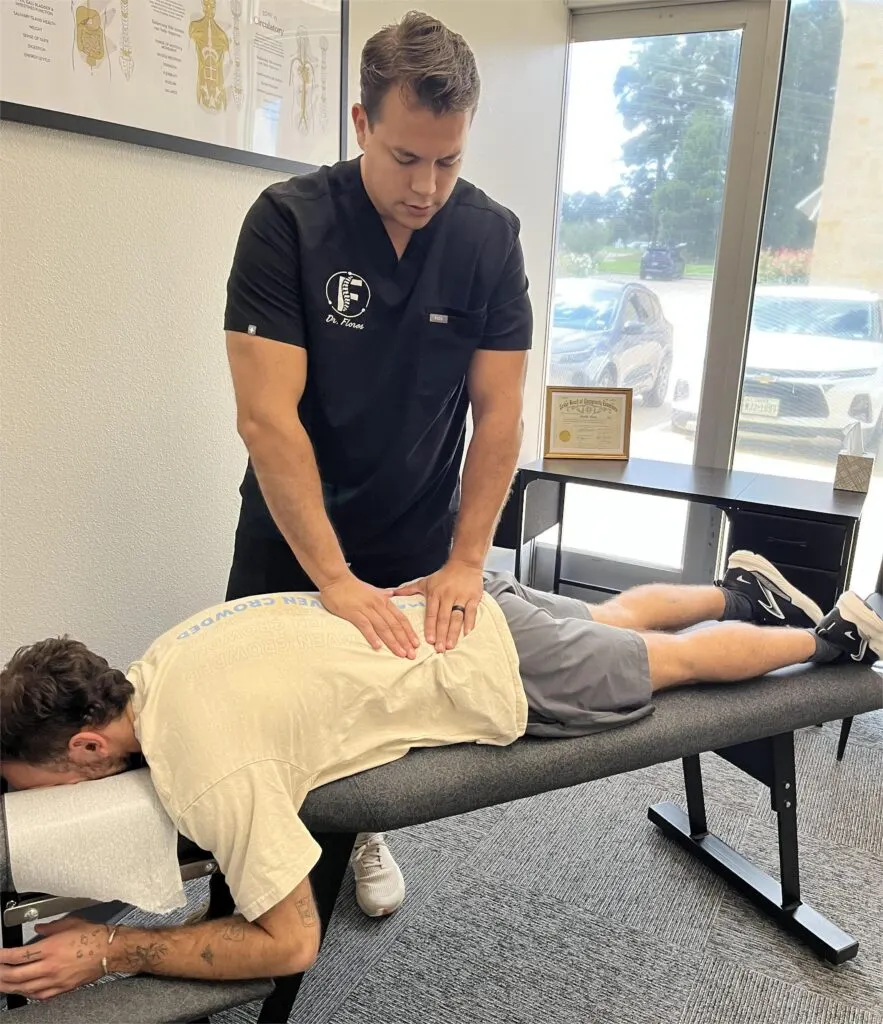
To create a flexible practice that works for you, try to set aside a few minutes each day for stretching. Listen to your body and focus on areas that feel tight. Integrating chiropractic care into your wellness routine can also be incredibly beneficial. Regular adjustments can improve your spinal alignment, allowing for better movement and flexibility.
Here are a few general tips to help you on your flexibility journey:
- Warm Up First: Always warm up your body with light activity before stretching to prevent injury.
- Breathe Deeply: Focus on your breath; deep breathing can help relax your muscles and enhance your stretches.
- Stay Hydrated: Drinking plenty of water helps keep your muscles hydrated and can aid in recovery.
- Be Patient: Flexibility takes time to develop, so be patient with yourself and celebrate small improvements along the way.
By integrating these practices into your routine and considering chiropractic care for ongoing support, you’re on the right path to achieving optimal health and flexibility. Remember, your spine is the foundation of your body—keeping it healthy is essential for achieving your wellness goals!
Understanding Flexibility and Its Benefits
Flexibility isn’t just about how easily you can touch your toes; it’s a vital aspect of your overall health and wellness. When you improve your flexibility, you enhance your range of motion, making everyday activities like bending, reaching, and lifting much easier and more efficient. This can lead to better posture, which is essential in reducing the risk of injuries during workouts or even simple daily tasks.
Incorporating flexibility training into your routine, alongside regular chiropractic care, can significantly boost your athletic performance. Whether you’re running, lifting weights, or practicing yoga, increased flexibility allows for smoother and more powerful movements. You’ll likely notice improved balance and coordination, which can elevate your fitness levels and make your body feel more capable.
Additionally, flexibility plays a crucial role in muscle recovery. After intense workouts, stretching helps alleviate soreness and stiffness, speeding up recovery time. Regular chiropractic adjustments can also support your flexibility by ensuring that your spine is aligned, which can reduce tension and improve your overall mobility.
By prioritizing both flexibility and chiropractic care, you’re not just enhancing your physical capabilities but also fostering a healthier, more functional body.
Assessing Your Current Flexibility Level
To enhance your flexibility, it’s important to first evaluate your current level. As a chiropractor, I recommend starting with simple flexibility assessment exercises that can help you understand your range of motion and pinpoint any tight muscle areas.
This self-assessment is crucial as it lays the foundation for a tailored stretching routine that can promote natural healing and improve your overall well-being. Knowing where you stand not only helps you track your progress but also guides you towards a more effective approach to flexibility.
Regular chiropractic adjustments can also significantly contribute to your flexibility and overall health. By addressing spinal alignment and muscle tension, chiropractic care facilitates better movement and reduces discomfort.
Here are a few tips to help you get started on your flexibility journey:
- Stay Consistent: Incorporate stretching into your daily routine, even if it’s just for a few minutes. Consistency is key to improving flexibility.
- Listen to Your Body: Pay attention to how your body feels during stretches. If something feels painful, ease back or modify the stretch to avoid injury.
- Focus on Breath: Deep breathing can help relax your muscles and enhance your stretching routine. Inhale deeply as you stretch and exhale slowly to deepen the stretch.
- Combine with Chiropractic Care: Regular visits to your chiropractor can help maintain spinal health and enhance your flexibility, making it easier to stretch effectively.
Flexibility Assessment Exercises
Many people underestimate their current flexibility level, which can significantly affect their overall health and well-being. Understanding your flexibility is crucial, as it plays a key role in maintaining a healthy spine and preventing discomfort.
As a chiropractor, I encourage you to assess your flexibility with a few simple exercises that can also help enhance your spinal health.
Start with the sit-and-reach test: sit on the floor with your legs extended straight in front of you and gently reach forward toward your toes. Take note of how far you can reach, as this can give you insight into your lower back and hamstring flexibility, which are vital for a healthy spine.
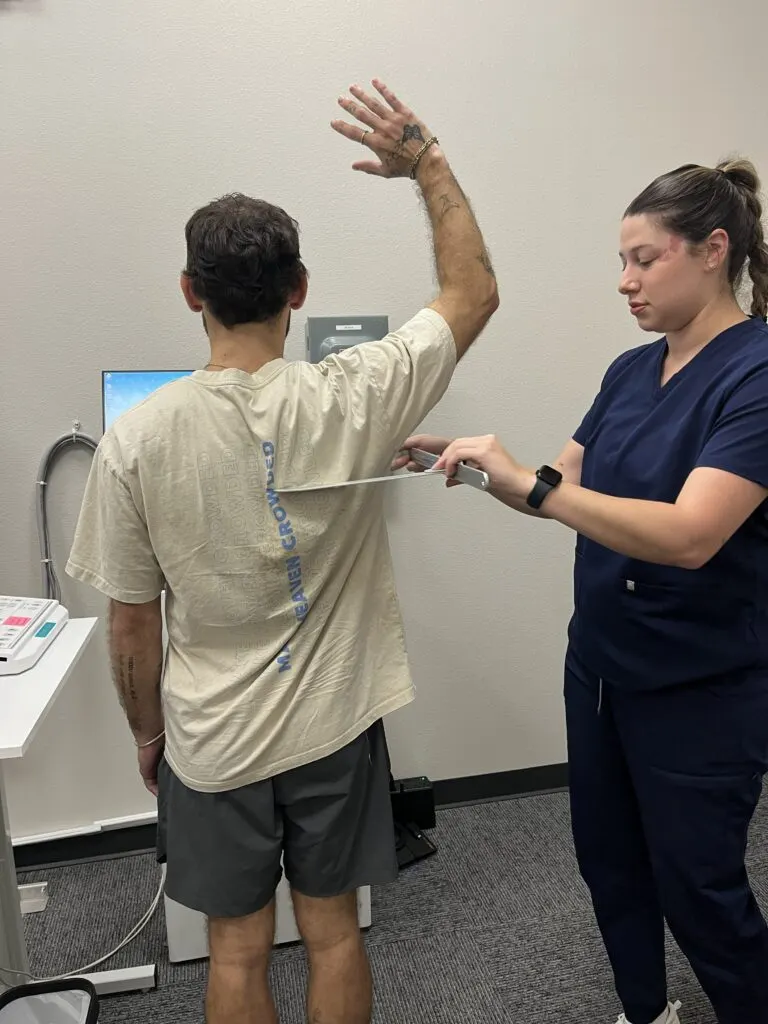
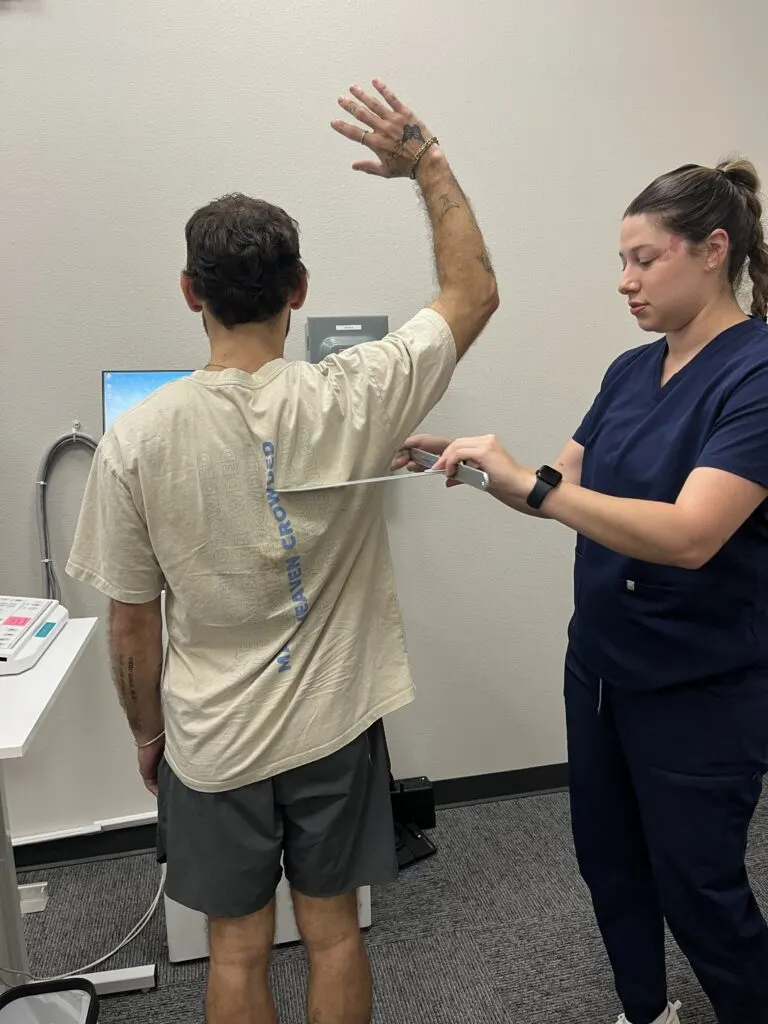
Next, try the shoulder stretch. Extend one arm overhead, bend your elbow, and gently attempt to touch the opposite shoulder blade with your other hand. Measure the distance between your fingers. This stretch helps improve shoulder flexibility, which is essential for maintaining proper posture and spinal alignment.
Finally, test your hip flexibility by sitting cross-legged. Observe how comfortably you can maintain this position. Good hip flexibility supports your pelvic alignment and can reduce tension in your lower back.
These exercises provide valuable insights into your flexibility and highlight areas for improvement. Regular assessments of your flexibility can keep you on track as you work towards achieving greater mobility and overall wellness.
Remember, chiropractic care is an excellent way to support your body in this journey. By focusing on spinal health, you can enhance your flexibility, relieve pain, and promote natural healing.
Make it a point to incorporate these assessments into your routine and consider visiting your chiropractor for personalized guidance and support on your path to optimal health.
Measuring Range of Motion
Evaluating your flexibility through exercises like the sit-and-reach test, shoulder stretch, and hip flexibility test can provide valuable insights into your body’s range of motion. Understanding your current flexibility level is essential for identifying areas that may benefit from improvement, and it allows you to track your progress as you embrace a healthier lifestyle.
Here are some key points to consider:
- Always warm up before testing to prevent injury and prepare your muscles.
- Keep a record of your measurements; this can serve as motivation and help you see your progress.
- Make it a habit to repeat these tests regularly to witness how your flexibility improves over time.
Incorporating regular flexibility assessments into your routine not only helps you set achievable wellness goals but also enhances your confidence as you strive for greater flexibility.
Remember, chiropractic care plays a crucial role in supporting your overall health and wellness. By maintaining proper spinal alignment, you can improve your range of motion and reduce pain naturally.
Consider visiting a chiropractor to learn more about how spinal health can enhance your flexibility and overall well-being. Embrace the journey to a healthier you!
Identifying Tight Muscle Areas
As a chiropractor, I believe that understanding your body’s flexibility is key to achieving optimal health. Identifying tight muscle areas can play a significant role in enhancing your movement and overall well-being.
Begin by tuning into how your body feels during everyday activities—notice any stiffness, discomfort, or limitations in your range of motion. Common areas where tension builds include the hamstrings, hip flexors, shoulders, and lower back.
To help identify these tight spots, incorporate simple stretches into your routine. If you find a stretch particularly challenging or painful, it’s a strong indicator of a tight muscle. Additionally, using tools like a foam roller or massage ball can be beneficial in releasing tension and promoting relaxation in those areas.
Regularly assessing your flexibility not only allows you to track your progress but also helps you tailor your stretching routine to focus on specific muscles that may need extra attention.
Essential Stretching Techniques
To improve your flexibility and overall wellness, incorporating essential stretching techniques into your routine is vital. As a chiropractor, I often emphasize the importance of keeping your muscles and joints healthy to support your spine and overall body function.
Dynamic stretching is an excellent way to warm up your muscles before any physical activity, preparing your body for movement and reducing the risk of injuries. On the other hand, static stretching is beneficial for long-term flexibility and can help alleviate tension and stress in your muscles.
Here are some simple tips to enhance your flexibility safely:
- Warm Up First: Always start with a light warm-up, such as walking or gentle movements, to get your blood flowing before you stretch.
- Incorporate Both Types of Stretching: Use dynamic stretches before activities to prepare your body, and include static stretches afterward to help your muscles relax and recover.
- Listen to Your Body: Pay attention to how your body feels during stretching. If you feel pain, ease back. Stretching should feel good and help relieve tension, not cause discomfort.
- Stay Consistent: Make stretching a regular part of your routine. Consistency is key to improving flexibility and supporting your spinal health.
- Consider Chiropractic Care: Regular visits to your chiropractor can help align your spine, improve your range of motion, and complement your stretching routine, leading to better overall health.
Incorporating these stretching techniques, along with chiropractic care, can help you achieve optimal health and wellness, allowing you to enjoy a more active and pain-free lifestyle.
Dynamic Stretching Methods
Dynamic stretching methods play a crucial role in enhancing flexibility and preparing your body for physical activity, especially when it comes to maintaining a healthy spine and overall wellness.
These stretches, unlike static ones, involve controlled movements that not only improve your range of motion but also help warm up your muscles effectively. By incorporating dynamic stretching into your routine, you can support your body’s natural healing processes, prevent injuries, and boost your performance—all while promoting optimal spinal health.
Here are some effective dynamic stretches that you can easily add to your warm-up routine:
- Leg Swings: Stand on one leg and swing the other leg forward and backward. This helps to loosen up the hip joints, which is essential for maintaining a healthy spine.
- Arm Circles: With your arms extended to the side, make small circles and gradually increase the size. This movement warms up the shoulders and upper back, areas often affected by posture and spinal alignment.
- Walking Lunges: Step forward into a lunge, alternating legs while keeping your torso upright. This dynamic stretch engages your core and lower body, promoting stability and balance—key components of spinal health.
Integrating these dynamic stretches into your warm-up routine not only prepares your body for action but also reinforces the importance of maintaining a healthy spine.
Static Stretching Benefits
Static stretching provides numerous benefits that can significantly enhance your overall flexibility and support your muscle health. By holding stretches for a period of time, you allow your muscles and connective tissues to relax and lengthen, improving your range of motion. This practice can also help alleviate muscle stiffness and soreness, enabling you to move more freely in your daily activities.
Incorporating static stretching into your routine can be especially beneficial for preventing injuries. It promotes better alignment and balance in your body, which is crucial for maintaining a healthy spine and preventing discomfort. Moreover, static stretching can improve circulation, ensuring that your muscles receive the oxygen and nutrients they need for optimal function.
As a chiropractor, I encourage you to consider static stretching as part of your wellness routine. Not only does it contribute to your physical health, but it can also foster relaxation and reduce stress, which is vital for your overall well-being.
Here’s a simple tip: try to include a few minutes of static stretching after your chiropractic adjustments or any physical activity. Focus on major muscle groups, and hold each stretch for about 20-30 seconds.
This practice can help reinforce the benefits of your chiropractic care and keep your body functioning at its best. Embrace these stretching techniques, and you’ll likely find your flexibility and comfort levels improve significantly!
Creating a Consistent Flexibility Routine
While it’s easy to overlook flexibility in your wellness routine, establishing a consistent regimen can significantly enhance your overall health and well-being. A flexible body not only helps prevent injuries but also improves your performance in everyday activities.
As a chiropractor, I believe that incorporating flexibility training into your life can complement the benefits of chiropractic care, allowing you to achieve optimal health naturally. Here’s how you can create an effective flexibility routine:
- Set Specific Goals: Focus on areas of your body that may feel tight or restricted. By identifying specific goals—like improving your range of motion in your hips or shoulders—you can track your progress and feel more accomplished.
- Schedule Regular Sessions: Just like you’d make time for chiropractic adjustments, carve out dedicated time each week for flexibility work. Consistency is key! Consider incorporating short sessions of stretching or yoga into your daily routine, even if it’s just 10-15 minutes.
- Stay Motivated: Keep your routine interesting by exploring different types of stretches, yoga classes, or even guided videos online. You can also combine flexibility work with your chiropractic care, as many stretches can be performed after an adjustment to enhance the benefits.
Remember, maintaining flexibility is an important part of a healthy lifestyle, and when paired with regular chiropractic visits, it can help you move better and feel better overall.
Incorporating Flexibility Into Your Workout
Incorporating flexibility into your workout is essential not only for enhancing your performance but also for promoting overall spinal health and preventing injuries. As a chiropractor, I encourage you to start your routine with dynamic stretches, such as leg swings and arm circles during your warm-up. This helps to prepare your muscles and joints for the workout ahead, ensuring they’re ready to move freely and effectively.
After completing your main workout, it’s important to dedicate time to static stretches. Aim to hold each stretch for about 15-30 seconds, focusing particularly on the major muscle groups that were engaged during your session. This practice helps to lengthen the muscles and maintain a healthy range of motion, which is crucial for spinal wellness.
In addition to your regular workout, consider incorporating yoga or Pilates sessions into your weekly routine. These practices not only enhance flexibility but also improve your overall strength, balance, and posture. They can be incredibly beneficial for spinal alignment and overall body awareness.
Using tools like foam rollers or massage balls can also aid in releasing tension in tight areas. This self-care technique can significantly improve your flexibility and help alleviate discomfort, promoting natural healing without the need for medications or invasive procedures.
Remember to always listen to your body. If a stretch feels painful, ease off and focus on gentle movements. Regularly incorporating these flexibility practices into your routine won’t only help you become more flexible but will also support better movement patterns, reduce the risk of injury, and enhance your overall wellness.
As you strive for optimal health, consider chiropractic care as a key component of your wellness journey. It provides a natural approach to pain relief and promotes a healthy spine, allowing your body to function at its best.
Embrace these flexible habits and consult with a chiropractor to ensure you’re on the right path to a healthier and more active lifestyle.
Tips for Staying Motivated
How do you maintain your motivation while working on your flexibility? Staying inspired and engaged in your practice is crucial for overall wellness, especially when it comes to supporting your spine and body. Here are some helpful tips to keep you moving forward on your flexibility journey:
- Set Realistic Goals: Break down your flexibility goals into manageable milestones. Celebrate each small achievement, whether it’s reaching your toes or enhancing a stretch. These victories not only boost your morale but also contribute to better spinal health.
- Create a Routine: Consistency is vital for progress. Carve out specific days and times for your flexibility practice and make it a non-negotiable part of your routine. This commitment can help reduce tension and improve your overall mobility, which is essential for a healthy spine.
- Mix It Up: Keep your practice exciting by trying different forms of stretching, such as yoga or Pilates. Incorporating various techniques not only keeps things fresh but also engages different muscle groups, promoting balanced strength and flexibility. This variety can help alleviate discomfort and support your chiropractic care.
Remember, maintaining flexibility isn’t just about stretching; it’s about nurturing your body holistically.
Tracking Your Progress and Making Adjustments
Tracking your flexibility journey is crucial for achieving optimal health and wellness, and it complements the benefits of chiropractic care. By regularly assessing your progress, you can pinpoint where you’re improving and identify areas that might need a little extra focus. One effective way to track your flexibility is by measuring how far you can reach or the depth of your stretches every few weeks.
Consider maintaining a simple journal or using a user-friendly app to log your sessions. In your logs, note the exercises you do and any changes you observe in your body. This practice not only helps you see your progress over time but also reinforces the connection between flexibility and overall spinal health.
If you find that certain stretches aren’t providing the relief or progress you hoped for, don’t hesitate to modify your routine. Introducing new exercises or adjusting existing ones can keep your body engaged and challenged.
Remember, chiropractic care can also play a vital role in enhancing your flexibility. Regular adjustments help maintain proper spinal alignment, which supports your body’s overall function and flexibility.
Incorporate these tips into your routine to support your flexibility journey and overall wellness:
- Stay Consistent: Make flexibility exercises a regular part of your routine, just like your chiropractic visits.
- Listen to Your Body: If something doesn’t feel right, consult your chiropractor for personalized advice.
- Warm Up: Always warm up before stretching to prevent injury.
- Combine Techniques: Pair stretching with chiropractic adjustments for maximum benefit.
Conclusion
By prioritizing your flexibility, you’re not just improving your mobility; you’re also taking proactive steps toward injury prevention and overall wellness. As a chiropractor, I encourage you to assess your current flexibility levels and incorporate essential stretches that target key muscle groups. Creating a consistent stretching routine will not only help you feel better but also enhance your spinal health.
Stay motivated by tracking your progress and celebrating those small victories along the way—each bit of improvement is a step toward a healthier you! Remember, maintaining flexibility can significantly support your spine and reduce the risk of pain or injury.
Additionally, consider incorporating chiropractic care into your wellness journey. Regular adjustments can aid in maintaining proper alignment, which is crucial for optimal movement and flexibility. With dedication, the right techniques, and the support of chiropractic care, you can enhance your flexibility and enjoy the many benefits it brings to your overall health. Start today, and you’ll notice the positive changes in no time!