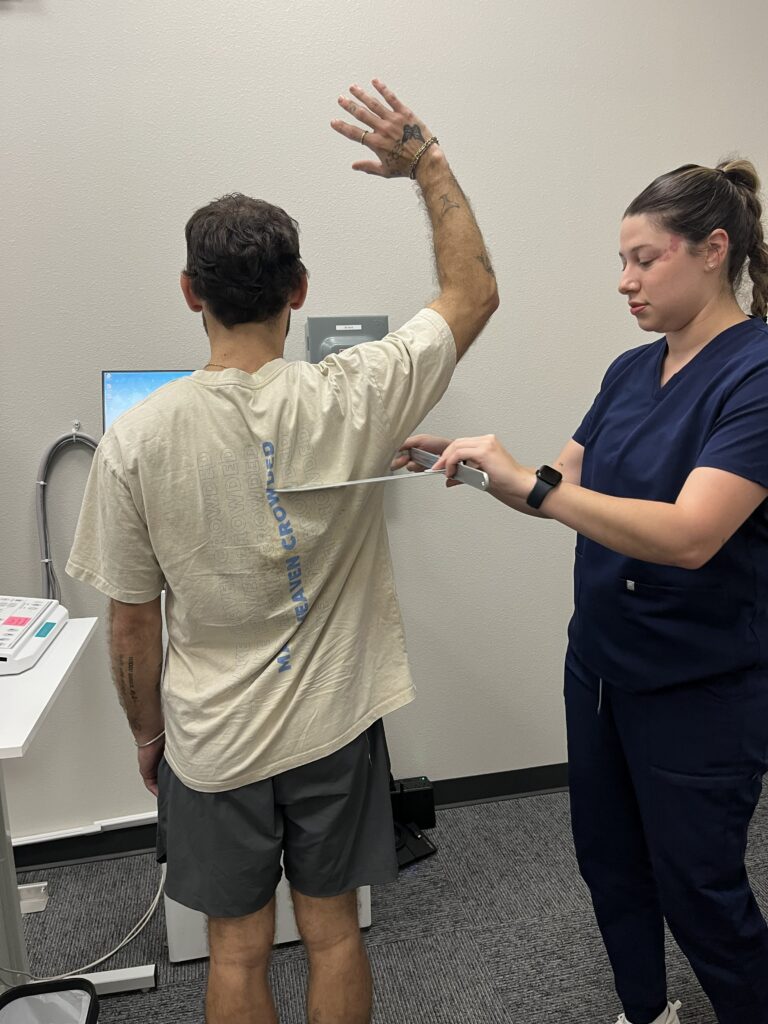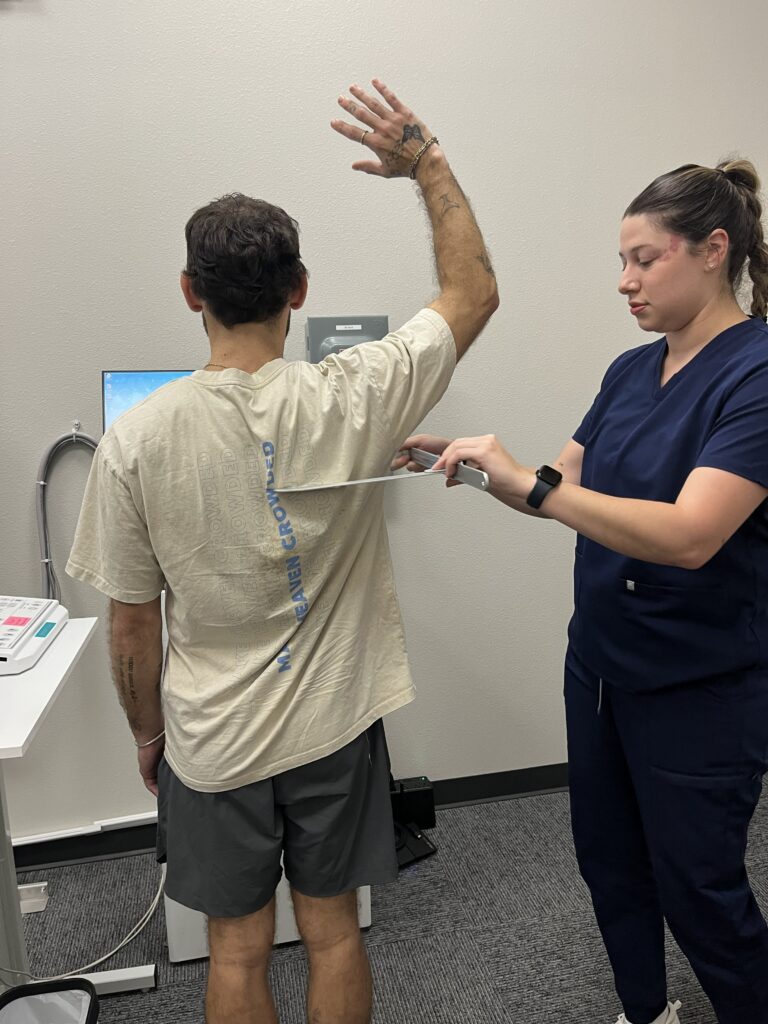

If you’re struggling with ongoing headaches, chiropractic adjustments may be just what you need for relief. These gentle, targeted adjustments not only help realign your spine but also address the root causes of your discomfort. By integrating various chiropractic techniques and making some simple lifestyle changes, you can effectively manage and even prevent headaches.
Curious about how chiropractic care can transform your well-being? Let’s dive into the best methods to alleviate headache pain and enhance your overall health.
- Spinal Adjustments: Regular chiropractic adjustments can significantly reduce tension in your neck and spine, which is often a main contributor to headaches. By ensuring your spine is properly aligned, you can relieve pressure on nerves and improve blood circulation.
- Posture Awareness: Maintaining good posture is essential for preventing headaches. Be mindful of your posture whether you’re sitting, standing, or using your phone. Consider using ergonomic furniture and taking breaks to stretch, especially if you’re at a desk for long periods.
- Hydration: Dehydration can lead to headaches, so make sure you’re drinking plenty of water throughout the day. Aim for at least 8 glasses and consider keeping a water bottle with you as a reminder.
- Stress Management: High levels of stress can trigger headaches, so incorporating stress-reducing techniques like deep breathing, yoga, or meditation can be beneficial. Regular chiropractic sessions can also help reduce stress by promoting relaxation and improving body function.
- Regular Exercise: Engaging in regular physical activity can boost your overall health and help prevent headaches. Exercise increases blood flow and releases endorphins, which can naturally alleviate pain.
- Sleep Hygiene: Ensure you are getting enough quality sleep. Poor sleep patterns can lead to headaches, so establish a calming bedtime routine, keep a consistent sleep schedule, and create a comfortable sleeping environment.
- Nutritional Balance: Eating a balanced diet rich in fruits, vegetables, whole grains, and lean proteins can help maintain your energy levels and prevent headaches. Be cautious of potential food triggers, such as processed foods or excessive caffeine.
By choosing chiropractic care as part of your wellness routine, you can experience a natural and effective way to relieve headache pain and promote overall health. Remember, small changes can lead to significant improvements, so start incorporating these tips today for a healthier, headache-free life!
Key Takeaways
- Chiropractic adjustments play a crucial role in realigning the spine, which helps relieve pressure on the nerves that can lead to headaches. By focusing on spinal health, you can experience fewer headaches and a greater sense of well-being.
- Regular chiropractic adjustments are beneficial for reducing muscle tension in the neck and shoulders. When these areas are relaxed, it can significantly decrease the stress that often contributes to headache pain.
- Techniques like trigger point release used in chiropractic care target specific areas of tension. This not only enhances blood flow but also promotes natural healing, which can help decrease the frequency of headaches over time.
- Maintaining good posture is essential, and consistent chiropractic adjustments can help you achieve this. Proper alignment of your spine supports overall musculoskeletal health, which can prevent headache occurrences.
- Chiropractic care also fosters relaxation and effective stress management. Both are vital components for preventing headaches and promoting overall wellness.
General Tips:
- Incorporate gentle stretches into your daily routine to relieve tension in your neck and shoulders.
- Stay hydrated, as dehydration can often lead to headaches.
- Pay attention to your posture, especially if you work at a desk for long periods.
- Make time for relaxation techniques, such as deep breathing or meditation, to help manage stress.
By prioritizing chiropractic care, you are taking a natural and holistic approach to achieve optimal health and alleviate headache pain effectively.
Chiropractic Adjustments for Spinal Alignment
When you experience a headache, it’s important to recognize how spinal alignment can significantly affect your overall well-being. Poor spinal alignment often leads to tension in the neck and back, which can trigger headaches. By seeking chiropractic adjustments, you can effectively address these misalignments and find relief.
Chiropractors utilize targeted techniques to realign your spine, relieving pressure on nerves and enhancing circulation throughout your body. As the tension in your neck and back decreases, you may notice that your headache frequency and intensity start to diminish.
Regular chiropractic adjustments not only help alleviate headaches, but they can also improve your posture, further supporting your spinal health. You don’t have to accept chronic headaches as a part of your life. Incorporating chiropractic care into your routine can lead to a significant improvement in your overall health and wellness. Many patients find that after just a few sessions, their headaches lessen, and they feel more comfortable in their daily activities.
To support your spinal health between adjustments, consider these simple tips:
- Posture Awareness: Be mindful of your posture whether sitting or standing. Keeping your back straight and shoulders relaxed can reduce strain on your spine.
- Regular Movement: Take frequent breaks to stretch and move around, especially if you sit for long periods.
- Stay Hydrated: Drinking plenty of water helps maintain healthy spinal discs and overall bodily functions.
- Ergonomic Setup: If you work at a desk, ensure your workstation is ergonomically designed to promote proper spinal alignment.
Massage Therapy Techniques for Tension Relief
If you’re experiencing tension headaches, incorporating chiropractic care into your wellness routine can be a transformative step towards relief. Techniques such as spinal adjustments, along with targeted muscle therapies like trigger point release and myofascial release, can effectively alleviate tightness and pain in your neck and upper back, which are often culprits in tension headaches.
Chiropractic care focuses on the alignment of the spine and the overall health of your musculoskeletal system, promoting natural healing and optimal function. Regular adjustments not only help reduce headache frequency and intensity but also improve your posture, which plays a crucial role in how tension builds in the body.
Here are a few tips to complement your chiropractic visits for tension relief:
- Stay Hydrated: Dehydration can contribute to headaches. Aim to drink plenty of water throughout the day to keep your body well-hydrated.
- Practice Good Posture: Be mindful of your posture, especially if you sit for long periods. Use ergonomic furniture and take breaks to stretch your neck and shoulders.
- Stress Management: Engage in relaxation techniques such as deep breathing exercises, meditation, or gentle yoga. These practices can help reduce muscle tension and improve your overall well-being.
- Regular Exercise: Incorporating physical activity into your daily routine can enhance blood flow and reduce muscle tightness. Even simple activities like walking can make a significant difference.
- Sleep Well: Prioritize good sleep hygiene. Ensure you have a comfortable sleeping position and a supportive mattress to help prevent tension build-up.
By focusing on these natural, holistic approaches, you can empower your body to heal itself while enjoying the benefits of chiropractic care.
Trigger Point Release
Trigger point release is a valuable technique that can enhance your overall wellness and support a pain-free lifestyle. As a local chiropractor, I want to share how this method targets specific areas of tension in your muscles, which can be instrumental in alleviating headache pain.
When you apply pressure to these tight knots, you’re not just relieving discomfort; you’re also promoting better blood flow and encouraging your body’s natural healing processes. To effectively identify a trigger point, simply use your fingers or a massage tool to press firmly but gently on the tight area. Hold the pressure for several seconds; you should feel the muscle start to relax. While there may be some discomfort, it should diminish as the tension eases.
Incorporating trigger point release into your daily routine can offer significant relief, especially when paired with chiropractic adjustments and other relaxation techniques. Regular practice not only helps to alleviate headaches but also plays a crucial role in preventing future occurrences by keeping your muscles relaxed and tension-free.
To support your journey towards optimal health, consider these general tips:
- Stay hydrated: Drinking plenty of water helps keep your muscles hydrated and can reduce tension.
- Practice good posture: Maintaining proper alignment throughout your daily activities can prevent strain and discomfort.
- Stretch regularly: Gentle stretching can help release muscle tightness and improve flexibility.
- Schedule regular chiropractic visits: Chiropractic care can address underlying issues that contribute to muscle tension and headaches.
Myofascial Release Techniques
Myofascial release techniques are a fantastic way to relieve tension and promote relaxation, making them a valuable tool in your journey toward headache relief. As a local chiropractor, I believe that understanding your body and incorporating natural healing methods can significantly improve your well-being.
Myofascial release focuses on the fascia, a connective tissue that can become tight and contribute to headache discomfort. Here are four key benefits of these techniques that can enhance your overall health:
- Improves Blood Flow – By enhancing circulation, myofascial release helps deliver essential oxygen and nutrients to your muscles, supporting better overall function.
- Reduces Muscle Tension – Applying gentle pressure to tight areas can ease discomfort and help your muscles relax, promoting a greater sense of comfort throughout your day.
- Enhances Flexibility – Releasing tension in the fascia can improve your range of motion, allowing you to move more freely and with less strain, which is essential for maintaining a healthy lifestyle.
- Promotes Overall Relaxation – The soothing effects of myofascial release can help lower stress levels, which are often triggers for headaches. By managing stress naturally, you’re taking a proactive step toward preventing future headaches.
Incorporating myofascial release into your routine, alongside regular chiropractic care, can lead to lasting relief from headache pain and contribute to your overall health.
Acupuncture and Its Impact on Headache Symptoms
While many people look for relief from headache symptoms through conventional methods, chiropractic care offers a powerful alternative that can effectively address these issues. As a chiropractor, I focus on aligning your spine and improving your overall wellness, which can significantly reduce headache frequency and intensity.
During a chiropractic session, I work to restore proper alignment in your spine. When your spine is in alignment, it can help relieve tension in the muscles around your neck and shoulders—common culprits for triggering headaches. Many of my patients report not only a decrease in headache pain but also an overall reduction in stress and tension after their adjustments.
Chiropractic care is personalized to your unique needs, targeting the root causes of your headaches rather than simply masking the symptoms. I use gentle techniques to ensure that you feel comfortable and cared for throughout your treatment.
In addition to regular chiropractic adjustments, there are some tips you can incorporate into your daily routine to help manage headache pain:
- Stay Hydrated: Dehydration can lead to headaches, so make sure you drink plenty of water throughout the day.
- Practice Good Posture: Poor posture can strain your neck and back, leading to headaches. Be mindful of your posture when sitting, especially if you spend long hours at a desk.
- Take Breaks: If you’re working on a computer or focusing on a task for an extended period, take short breaks to stretch and relieve tension.
- Manage Stress: Incorporating relaxation techniques such as deep breathing, meditation, or yoga can help reduce stress levels that may trigger headaches.
- Get Enough Sleep: Aim for 7-9 hours of quality sleep each night, as lack of sleep can contribute to headache symptoms.
If you’re looking for a natural and effective way to manage headache pain, consider scheduling an appointment with a chiropractor. You may be pleasantly surprised by how much better you feel!
Lifestyle Modifications to Prevent Headaches
To effectively prevent headaches, incorporating lifestyle modifications can significantly enhance your overall well-being. By making small changes, you can’t only reduce the frequency and intensity of headaches but also promote a healthier spine and body. Here are four practical modifications to consider:
- Stay Hydrated: Make it a habit to drink plenty of water throughout the day. Dehydration is a common headache trigger, and staying well-hydrated supports your body’s natural healing processes, including spinal health.
- Establish a Sleep Routine: Aim for 7-9 hours of quality sleep each night. A consistent sleep schedule not only promotes better rest but also helps to keep your spine and nervous system functioning optimally, reducing the risk of headaches.
- Manage Stress: High stress levels can lead to tension headaches. Incorporate relaxation techniques like meditation, yoga, or deep breathing into your daily routine. These practices not only help alleviate stress but also contribute to better spinal alignment and overall wellness.
- Limit Screen Time: To reduce eye strain, take regular breaks from screens. Follow the 20-20-20 rule: every 20 minutes, look at something 20 feet away for 20 seconds. This simple practice helps to alleviate tension in your neck and shoulders, which can contribute to headaches.
Remember, chiropractic care is a natural and effective way to address headaches and improve your overall health.
Regular adjustments can help ensure your spine is aligned, reducing tension and promoting better function throughout your body. If you’re experiencing headaches, consider visiting your local chiropractor to explore how spinal care can support your wellness journey.
Dietary Changes That Can Alleviate Pain
To ease your headache pain, it’s essential to consider the impact of your diet on your overall health and well-being. Staying well-hydrated is key; dehydration can often lead to headaches.
Additionally, incorporating anti-inflammatory foods into your meals can significantly help alleviate discomfort. Foods rich in omega-3 fatty acids, such as salmon and walnuts, as well as fruits and vegetables, can provide natural relief.
While dietary changes are beneficial, remember that chiropractic care plays a crucial role in managing pain and promoting overall wellness. Regular chiropractic adjustments can help align your spine, improving nervous system function and potentially reducing the frequency and intensity of headaches.
By making these simple dietary adjustments and prioritizing chiropractic care, you might find a natural and effective way to relieve those nagging headaches.
Don’t hesitate to consult with your chiropractor for personalized advice tailored to your health needs. Together, we can work towards achieving optimal health and wellness!
Hydration and Headache Relief
Staying hydrated is essential for overall health and wellness, and it can significantly alleviate headache pain. Even mild dehydration can lead to discomfort, which is why it’s important to make hydration a priority. Here are some simple tips to help you ensure you’re drinking enough water, while also considering how chiropractic care can support your journey to optimal health:
- Drink water consistently throughout the day: Aim for at least 8 cups, but remember to adjust this based on your activity level and climate. Proper hydration supports spinal health, which is critical for overall wellness.
- Incorporate hydrating foods: Snack on fruits and vegetables like cucumbers, oranges, and watermelon. These not only hydrate you but also provide essential nutrients that support your body’s healing processes.
- Set reminders for hydration: Use your phone or apps to remind you to drink water regularly. Staying mindful of your hydration can help maintain your energy levels and improve your overall well-being.
- Limit dehydrating beverages: Be mindful of your caffeine and alcohol intake, as both can lead to dehydration. Instead, focus on natural, hydrating options that complement chiropractic care by promoting overall health.
By keeping hydrated, you’re taking a proactive step towards reducing headache pain and enhancing your health.
Remember, chiropractic care can also play a vital role in relieving tension and promoting relaxation, which can further help with headaches.
Prioritize your hydration and consider regular chiropractic adjustments as part of your wellness routine for a healthier, pain-free life.
Anti-Inflammatory Foods Selection
Headaches can be a common struggle for many, but did you know that what you eat can play a significant role in alleviating that pain? As a local chiropractor, I emphasize the importance of natural healing and overall wellness, and incorporating anti-inflammatory foods into your diet can be a powerful way to help manage headache pain.
Here’s a simple guide to some effective anti-inflammatory foods that can support your journey toward better health:
| Food | Benefits | Serving Suggestions |
|---|---|---|
| Berries | Packed with antioxidants that protect your cells | Toss into your morning smoothie or top your yogurt |
| Leafy Greens | Loaded with vitamins and minerals that nourish your body | Enjoy in fresh salads or blended into smoothies |
| Fatty Fish | Rich in omega-3 fatty acids, known for reducing inflammation | Grill or bake with your favorite herbs for a tasty meal |
| Turmeric | Contains powerful anti-inflammatory properties | Stir into soups or brew a soothing tea |
By integrating these foods into your daily meals, not only can you help reduce inflammation, but you may also experience fewer headaches over time.
Remember, chiropractic care is also a vital part of a holistic approach to wellness. Regular adjustments can enhance your body’s natural healing abilities, reduce stress on your nervous system, and promote overall health.
As you focus on a healthier diet, don’t forget the importance of proper posture and spinal alignment. Simple lifestyle changes, like being aware of your posture while sitting or standing, can also contribute to reducing headache frequency and intensity.
Incorporating these foods and maintaining good spinal health can pave the way for a more vibrant, pain-free life. Always listen to your body and consider seeking guidance from your chiropractor to ensure you’re on the best path for your health and wellness.
Stress Management Strategies for Headache Prevention
Managing stress effectively is crucial not only for preventing headaches but also for maintaining overall health and wellness. High stress levels can lead to tension and discomfort, making it essential to incorporate strategies that promote relaxation and well-being.
Here are four effective stress management techniques that can help you live a more balanced life and support your body’s natural healing processes:
- Practice Mindfulness: Take a few minutes each day to focus on your breathing or engage in meditation. This practice helps to clear your mind, reduce tension, and create a sense of calm. Mindfulness can be a powerful tool in managing stress and can complement your chiropractic care.
- Exercise Regularly: Engaging in physical activity is a fantastic way to release endorphins, the body’s natural mood lifters. Aim for at least 30 minutes of moderate exercise most days. Whether it’s a brisk walk, yoga, or any activity you enjoy, moving your body can significantly lower stress levels and enhance your overall well-being.
- Establish Healthy Boundaries: It’s important to recognize your limits and learn to say no when you feel overwhelmed. Prioritizing your time and commitments can help prevent unnecessary stress. Remember, taking care of yourself is essential for your health, and setting boundaries allows you to focus on what truly matters.
- Get Adequate Sleep: Prioritize 7-9 hours of quality sleep each night. A well-rested mind and body are better equipped to handle stress effectively. Quality sleep is essential for recovery and can enhance the benefits of chiropractic care.
By implementing these strategies, you can create a more relaxed lifestyle that not only helps prevent headaches but also supports your journey toward optimal health.
The Importance of Hydration in Headache Relief
Hydration is a crucial aspect of not just overall health, but also in managing headache pain. Even mild dehydration can lead to discomfort, and many people are unaware that drinking enough water is key to feeling good. When you’re not properly hydrated, your body can lose important nutrients and electrolytes, which can contribute to headaches. That’s why maintaining good hydration is vital for both preventing and alleviating headaches.
As a general guideline, aim to drink at least eight 8-ounce glasses of water each day. However, if you lead an active lifestyle or live in a warmer environment, you might need even more. Pay attention to your body; if you’re feeling thirsty or your urine appears darker than usual, that’s your cue to hydrate.
Additionally, incorporating water-rich foods, such as fruits and vegetables, into your diet can also help boost your hydration levels.
If you find yourself experiencing frequent headaches, take a moment to evaluate your daily water intake. Establishing a routine to drink water throughout the day can make a significant difference. Consider having a glass with each meal or setting reminders for a refreshing drink during your mid-afternoon slump.
It’s important to remember that while hydration plays a key role in headache relief, chiropractic care can also be a powerful ally in achieving optimal health. Regular chiropractic adjustments can enhance your overall well-being, align your spine, and improve nerve function, which may help reduce the frequency and intensity of your headaches.
Conclusion
In summary, chiropractic adjustments are an effective and natural way to alleviate headache pain by restoring proper spinal alignment and reducing tension in the body. By integrating techniques such as gentle massage and acupuncture, alongside making positive lifestyle and dietary adjustments, you can address headaches from multiple perspectives. It’s also essential to prioritize stress management and stay well-hydrated, as these factors play a crucial role in preventing headaches.
By embracing chiropractic care and these holistic strategies, you’ll not only find relief from your headaches but also enhance your overall wellness. Remember, the goal is to maintain a well-aligned spine and a balanced lifestyle, keeping those pesky headaches at bay for good. So, consider chiropractic as your go-to solution for natural healing and optimal health!