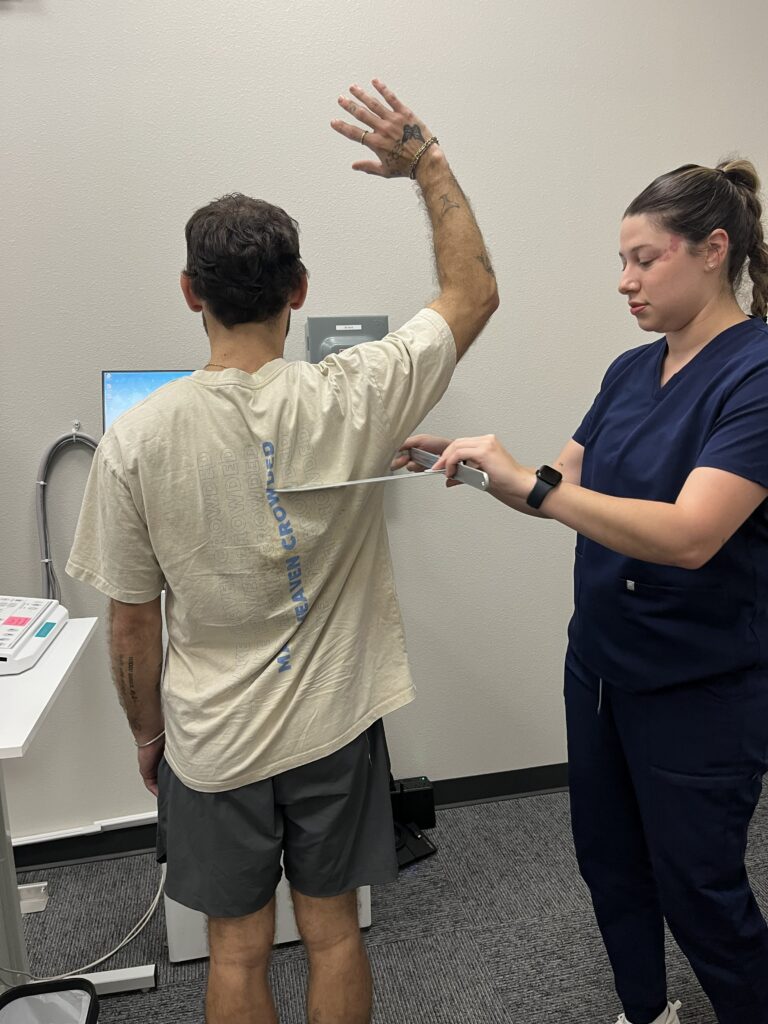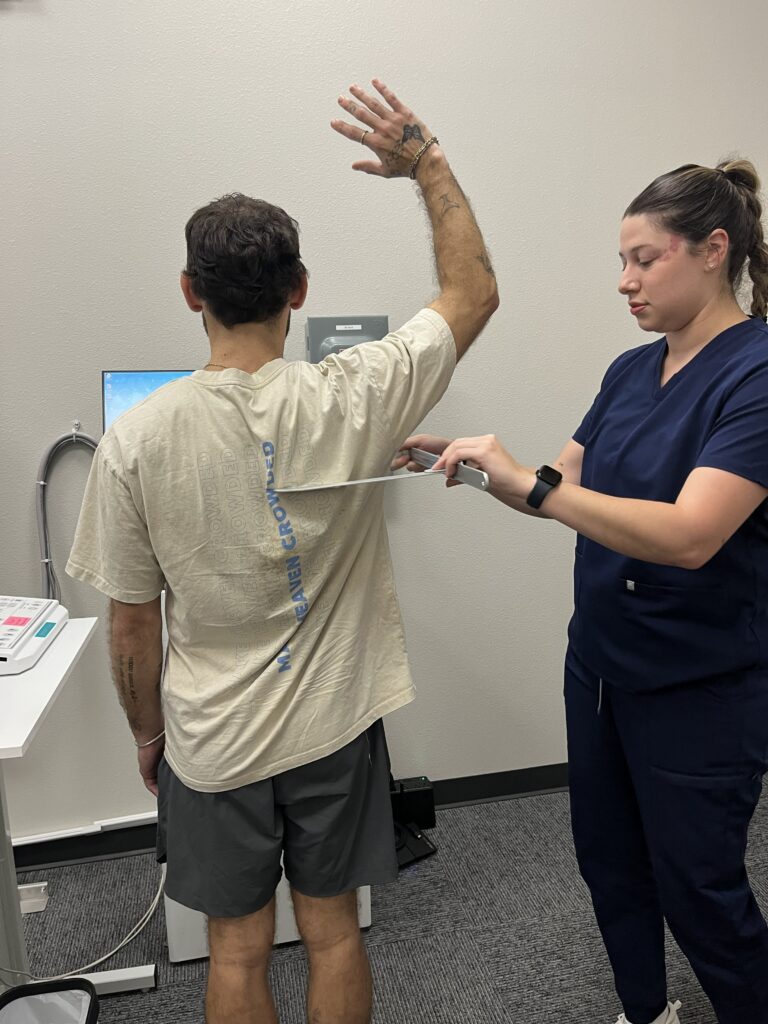

Tension headaches can be a daily struggle, but chiropractic adjustments provide a natural pathway to relief. By focusing on your posture, staying well-hydrated, and managing stress effectively, you can significantly reduce the frequency and intensity of these headaches. Regular chiropractic adjustments not only alleviate pain but also enhance your overall wellness, promoting lasting improvements in your quality of life.
Are you eager to discover the best strategies for incorporating chiropractic care into your routine to combat tension headaches? Let’s explore ten effective ways to tackle these headaches head-on and embrace a healthier, pain-free lifestyle.
- Prioritize Posture: Maintaining good posture, especially while sitting or working at a desk, is crucial. Poor posture can strain your neck and upper back, contributing to headaches. Consider regular chiropractic check-ups to ensure your spine is properly aligned.
- Stay Hydrated: Dehydration can trigger tension headaches. Aim to drink plenty of water throughout the day. Keeping hydrated supports overall health and can help reduce headache occurrences.
- Practice Relaxation Techniques: Stress is a major contributor to tension headaches. Incorporate deep breathing, meditation, or yoga into your routine. These practices can help calm your mind and relieve tension in your body.
- Incorporate Regular Exercise: Engaging in physical activity helps reduce stress and enhance your body’s natural ability to heal. Aim for at least 30 minutes of moderate exercise most days of the week.
- Schedule Regular Chiropractic Visits: Regular adjustments can help keep your spine aligned and reduce muscle tension. A chiropractor can also provide personalized advice on managing headaches and maintaining overall health.
- Create a Comfortable Workspace: Ensure your workspace is ergonomically friendly. Adjust your chair, desk, and computer screen to promote good posture and minimize strain.
- Limit Caffeine and Alcohol: Both caffeine and alcohol can contribute to dehydration and trigger headaches. Moderation is key—try to limit these substances in your diet.
- Get Adequate Sleep: Ensure you are getting enough restful sleep each night. Establish a consistent sleep schedule and create a calming bedtime routine.
- Use Heat or Cold Therapy: Applying a warm compress or an ice pack to the neck and shoulders can help alleviate tension. Experiment to find which method provides you with the most relief.
- Maintain a Healthy Diet: Eating a balanced diet rich in fruits, vegetables, whole grains, and lean proteins can support overall wellness. Certain foods can trigger headaches, so pay attention to your body and adjust your diet accordingly.
By integrating these strategies into your daily life, you can effectively manage tension headaches and embrace a healthier, more vibrant lifestyle. Remember, chiropractic care is a powerful ally on your journey to optimal health and natural wellness. If you’re experiencing recurring headaches, don’t hesitate to consult with a chiropractor for personalized care and support.
Key Takeaways
- Regular chiropractic adjustments play a vital role in realigning the spine, which helps to relieve the tension often found in the neck and shoulder muscles—common culprits behind tension headaches. By restoring proper alignment, we can help alleviate this discomfort naturally.
- When we receive chiropractic care, one of the benefits is improved blood circulation. This enhanced blood flow increases oxygen delivery to the brain, which can help lessen the intensity of headaches and promote overall brain health.
- Chiropractic care is not just about physical adjustments; it also encourages relaxation and helps to reduce stress levels. Lower stress is essential for preventing and easing tension headaches, making chiropractic a great choice for holistic wellness.
- Adjustments can also lead to better posture. Maintaining proper posture is crucial for spinal health, as it reduces the strain on your muscles and joints, which can contribute to headache formation. Simple changes in how you sit, stand, or move can make a significant difference.
- Consistent chiropractic treatments support your body’s natural healing processes. By regularly visiting your chiropractor, you are not only addressing current headaches but also paving the way for long-term relief and overall wellness.
Tips for Tension Headache Relief:
- Stay hydrated: Drinking enough water can help prevent headaches.
- Take breaks: If you work at a desk, remember to take regular breaks to stretch and move around.
- Practice deep breathing: Incorporating deep breathing exercises can help reduce stress and tension.
- Maintain good posture: Be mindful of how you sit and stand to support your spine.
- Get regular adjustments: Making chiropractic care a part of your routine can lead to better health and fewer headaches.
By choosing chiropractic care, you’re opting for a natural and effective way to manage tension headaches and improve your overall health. Remember, your well-being is a journey, and we’re here to support you every step of the way!
Improve Your Posture
When you slouch or hunch over, you can put unnecessary strain on your neck and shoulders, which can often lead to headaches. As a chiropractor, I want to help you understand the importance of maintaining good posture for your overall health and wellness.
Start by being mindful of your posture throughout the day. Whether you’re sitting or standing, aim to keep your back straight, shoulders relaxed, and your head aligned with your spine.
If you’re sitting at a desk, adjust your chair so that your feet can rest flat on the floor and your knees form a right angle.
It’s essential to check in with your posture regularly. If your work involves long hours at a desk, consider investing in an ergonomic chair or a standing desk to encourage a healthier alignment.
Remember to take breaks to stretch and move around; this can help alleviate muscle tension and keep you feeling good.
Strengthening your core is also crucial for supporting better posture. Simple exercises like planks and bridges can be easily incorporated into your routine.
By making these small adjustments and focusing on your posture, you can reduce the strain on your neck and shoulders, ultimately minimizing the risk of tension headaches.
Chiropractic care is an excellent way to enhance your posture and overall well-being. Regular adjustments can help align your spine, relieve tension, and promote a healthier lifestyle.
If you’re looking for natural healing and pain relief, consider scheduling a visit with a chiropractor to discuss how we can work together to support your health goals.
Stay Hydrated
Staying hydrated is crucial not just for your overall health, but also for preventing tension headaches, which can often be a source of discomfort for many. As a local chiropractor, I want to emphasize how important it’s to listen to your body and recognize the signs of dehydration, such as fatigue or dizziness.
When your body is lacking water, it can lead to muscle tension and increased stress on your spine, which may contribute to headaches. By ensuring that you drink enough water throughout the day, you can help keep your muscles relaxed and support your spinal health, ultimately reducing the likelihood of headaches.
Here are some simple tips to enhance your hydration and overall wellness:
- Keep Water Accessible: Carry a reusable water bottle with you to remind yourself to drink throughout the day.
- Set Reminders: Use your phone to set regular reminders to take a sip of water, especially if you tend to forget while working or busy with daily tasks.
- Infuse Your Water: If plain water doesn’t excite you, try adding slices of fruits or herbs, like lemon or mint, to make it more appealing.
- Pair Water with Meals: Drink a glass of water before or with each meal to help increase your intake.
- Listen to Your Body: If you start to feel tired or lightheaded, it may be a sign that you need more hydration.
Remember, chiropractic care can also play a vital role in your pain relief and wellness journey. Regular adjustments can help align your spine, improve your body’s function, and enhance your overall health.
Importance of Water Intake
Dehydration can often trigger tension headaches, making it essential to prioritize your water intake for overall health and wellness. When you’re well-hydrated, your body and spine function more efficiently, which can help reduce the frequency and intensity of headaches.
As a chiropractor, I encourage you to aim for at least eight glasses of water daily, adjusting based on your activity level and climate. It’s important to remember that you might be losing more fluids than you realize through sweat and daily activities, so keeping a water bottle handy can serve as a great reminder to drink throughout the day.
Even mild dehydration can lead to discomfort and tension in your body, so it’s vital to listen to what your body is telling you. If you start feeling a headache coming on, check your hydration levels first before considering other remedies. Staying hydrated is a simple yet effective way to combat tension headaches and support your overall well-being.
In addition to maintaining proper hydration, regular chiropractic care can play a significant role in alleviating pain and enhancing your body’s natural healing abilities. By ensuring proper alignment of your spine, chiropractic adjustments can help improve your body’s function, reduce tension, and promote relaxation.
Signs of Dehydration
Staying hydrated is crucial for your overall health and can significantly impact your well-being, especially in relation to pain management and tension headaches. As a chiropractor, I want to emphasize how dehydration can affect your body and contribute to discomfort.
When you start feeling thirsty, it’s your body’s way of signaling that it needs water. Other signs of dehydration include a dry mouth, fatigue, and dark yellow urine. You may also experience headaches, dizziness, or dry skin.
If you’re feeling lightheaded or having difficulty concentrating, it’s a clear indication that you need to hydrate. Ignoring these signs can lead to increased tension in your body, which may exacerbate discomfort in your spine and muscles.
Incorporating hydration into your daily routine can help prevent dehydration and its unwanted effects. Make it a habit to drink water regularly throughout the day—especially during warm weather or after physical activity.
Staying aware of your body’s hydration needs is essential for avoiding discomfort and supporting your overall health.
Remember, proper hydration is a simple yet effective way to support your body’s natural healing processes. Along with regular chiropractic care, which helps align your spine and relieve tension, maintaining good hydration can enhance your physical well-being.
Prioritize your health by drinking enough fluids and consider how chiropractic care can help you achieve optimal wellness. Your body will thank you!
Manage Stress Effectively
Managing stress effectively is crucial not only for your overall well-being but also for alleviating tension headaches, which can often stem from stress-related issues. As a chiropractor, I want to emphasize the importance of a holistic approach to health, where chiropractic care plays a key role in promoting natural healing and optimal wellness.
Start by identifying your personal stress triggers. Understanding what causes you stress is the first step in addressing it. This could be anything from work pressures to family responsibilities. Once you’ve identified these triggers, you can tackle them more effectively.
Incorporating healthy coping strategies is essential. Simple practices like deep breathing exercises, meditation, or going for a short walk can significantly improve your mood and help reduce tension in your body. These activities not only help manage stress but also support spinal health by promoting relaxation and reducing muscle tension.
Don’t forget the importance of time management. Break tasks into smaller, manageable pieces and set realistic deadlines. This strategy can help prevent that overwhelming feeling and allow you to maintain a sense of control over your life. Establishing a consistent routine can also provide structure, making your stressors feel more manageable.
Make sure to carve out time for activities you genuinely enjoy. Whether it’s reading, cooking, or spending quality time with loved ones, engaging in pleasurable activities can be a fantastic way to relieve stress and promote overall happiness.
Lastly, remember that seeking support is vital. Sharing your feelings with friends, family, or professionals can lighten your emotional burden.
As a chiropractor, I encourage you to consider regular chiropractic adjustments as part of your stress management strategy. Chiropractic care not only helps relieve physical tension but also contributes to emotional well-being by addressing the underlying issues that may exacerbate stress and discomfort.
Incorporate Regular Exercise
Incorporating regular exercise into your routine can be a powerful tool in reducing tension headaches, and as a chiropractor, I can’t emphasize enough how beneficial it’s for your overall spinal health. Engaging in low-impact activities, such as walking, swimming, or yoga, can’t only help ease muscle tension but also improve your flexibility, which is essential for maintaining a healthy spine.
Additionally, stretching exercises can alleviate tightness in your neck and shoulders, areas often associated with tension headaches. Remember, the key to reaping the full benefits of exercise is consistency. Aim to set aside time each week for physical activity, and listen to your body as you progress.
Chiropractic care complements these efforts beautifully by ensuring that your spine is properly aligned, which can enhance your body’s ability to heal itself naturally. Regular adjustments can help optimize your nervous system function, further supporting your wellness journey.
Choose Low-Impact Activities
Choosing low-impact activities can significantly aid in relieving tension headaches, while also promoting optimal spinal health. As a chiropractor, I recommend gentle exercises that are easy on your body but still offer the benefits of regular movement.
Activities such as walking, cycling, and swimming allow you to stay active without putting undue strain on your muscles and joints, which is essential for maintaining proper spinal alignment.
Engaging in these low-impact exercises helps improve circulation and reduces stress, both of which are key in alleviating headache symptoms. Aim for at least 30 minutes of low-impact exercise most days of the week. This routine not only supports your overall wellness but also provides a natural outlet for stress, which can exacerbate headaches.
Remember, consistency is key. Find activities that you enjoy, as this will make it easier to incorporate them into your daily routine.
Additionally, consider regular chiropractic adjustments to ensure your spine is properly aligned, which can enhance the benefits of your exercise routine and contribute to long-term headache relief.
Stretching and Flexibility Exercises
Stretching and flexibility exercises are vital for relieving tension headaches, and as a chiropractor, I want to emphasize how these movements can support your journey toward optimal health. By regularly incorporating these exercises into your routine, you can alleviate muscle tightness and enhance blood circulation, particularly in areas where tension commonly accumulates, such as your neck, shoulders, and upper back.
Simple stretches like neck tilts and shoulder rolls can be incredibly effective. Aim to hold each stretch for about 15-30 seconds while taking deep breaths to promote relaxation. This not only helps reduce tension but also aids in maintaining proper spinal alignment, which is crucial for overall wellness.
In addition to basic stretches, practices such as yoga or Pilates can be beneficial. These activities combine stretching with mindful breathing and contribute to both physical and mental well-being. By focusing on your breath and movements, you can release stress and cultivate a deeper connection with your body.
Remember, consistency is key! By integrating stretching into your daily routine, you can experience noticeable improvements in how you feel, making it an essential tool for managing tension headaches naturally.
Chiropractic care complements these practices by addressing any underlying spinal misalignments that may be contributing to your discomfort.
To take your health to the next level, consider visiting your chiropractor for personalized care. Together, we can create a comprehensive plan that includes stretching, spinal adjustments, and lifestyle tips tailored to your needs.
This holistic approach not only helps with pain relief but also promotes a healthier, more balanced life.
Consistency Is Key
While it might be tempting to skip workouts when life gets hectic, prioritizing regular exercise is crucial for managing tension headaches naturally. Establishing a consistent exercise routine can significantly reduce stress and tension, which are known triggers for headaches. Aim to engage in at least 30 minutes of moderate activity most days of the week.
Gentle activities like walking, cycling, or yoga can be particularly beneficial for alleviating headache symptoms and enhancing your overall wellness. You don’t need to dive into intense workouts right away; simply choose activities that you enjoy and make them a part of your routine. This not only helps build strength but also increases your ability to handle stress.
Remember, the more consistent you’re with your exercise, the better your body will respond, which can lead to a decrease in the frequency and intensity of your tension headaches.
In addition to exercise, consider incorporating chiropractic care into your wellness routine. Chiropractors can help you align your spine, which can improve your nervous system function and reduce headache pain.
Regular chiropractic adjustments may enhance your body’s ability to manage stress and tension, leading to a healthier, headache-free life. So, take charge of your well-being by combining consistent exercise with chiropractic care for optimal health and natural pain relief.
Establish a Consistent Sleep Schedule
Establishing a consistent sleep schedule is an essential step in promoting overall wellness and can significantly help reduce the frequency and intensity of tension headaches. When you go to bed and wake up at the same time each day, you help regulate your body’s internal clock, which leads to better quality sleep. Quality sleep helps alleviate stress and tension, two major contributors to headaches.
Incorporating chiropractic care into your routine can further enhance your sleep quality. Regular chiropractic adjustments can improve spinal alignment, reduce tension in your muscles, and promote relaxation, all of which contribute to a restful night’s sleep. By addressing any underlying spinal issues, you can create a healthier environment for your body to rest and rejuvenate.
Here’s a simple table to help you track your sleep habits and ensure consistency:
| Day | Bedtime | Wake-up Time |
|---|---|---|
| Monday | 10:30 PM | 6:30 AM |
| Tuesday | 10:30 PM | 6:30 AM |
| Wednesday | 10:30 PM | 6:30 AM |
Create a Relaxing Work Environment
Creating a Relaxing Work Environment for Better Health
Your work environment significantly impacts your overall well-being. By optimizing aspects such as lighting, choosing ergonomic furniture, and managing noise levels, you can reduce tension and stress, which is crucial for maintaining a healthy spine and overall wellness.
Let’s explore how these adjustments can lead to a more relaxing space that supports your health and complements chiropractic care.
Lighting:
Natural light can boost your mood and energy levels. Whenever possible, position your workspace near a window to take advantage of sunlight.
If natural light is limited, opt for soft, warm lighting that mimics daylight. This can help reduce eye strain and create a calming atmosphere, which is essential for maintaining a healthy spine.
Ergonomic Furniture:
Investing in ergonomic furniture is vital for spinal health. A good chair that supports your lower back and a desk at the right height can prevent discomfort and promote good posture.
Remember to take breaks every hour to stretch and move around. This not only helps alleviate tension but also supports your body’s natural healing processes, which aligns perfectly with the principles of chiropractic care.
Noise Levels:
Managing noise is crucial in creating a peaceful work environment. If possible, use noise-canceling headphones or play soft background music to help reduce distractions.
Creating a quiet space can lower stress levels and enhance your focus, leading to better productivity.
Incorporating these elements into your work environment can significantly improve your comfort and health.
Remember, regular chiropractic adjustments can further support your spine and enhance your overall well-being.
Optimize Lighting Conditions
Creating a relaxing work environment is essential for maintaining your overall health and wellness, particularly when it comes to spinal health. One key factor in achieving this is optimizing your lighting conditions. Proper lighting can help reduce eye strain, enhance your mood, and prevent tension headaches, which can all contribute to a healthier spine.
Here are some simple adjustments you can make to improve your workspace lighting:
- Natural light: Embrace the healing power of sunlight! Open your blinds and let the sun’s rays fill your space. Natural light not only brightens your environment but can also uplift your spirits and promote better focus.
- Soft bulbs: Opt for warm, dimmable LED lights. These bulbs create a cozy atmosphere that’s gentler on your eyes and helps create a more relaxed work environment, which is crucial for maintaining good posture and spinal alignment.
- Task lighting: Invest in a desk lamp with adjustable brightness. This allows you to focus on your work without the glare that can lead to discomfort and strain. Proper lighting at your workstation can help you maintain a healthy posture, reducing the risk of back pain.
- Avoid harsh fluorescents: If your workspace is lit with harsh fluorescent lights, consider replacing them with softer alternatives. Harsh lighting can contribute to headaches and muscle tension, making it harder to stay comfortable and focused on your work.
By optimizing your lighting conditions, you can create a workspace that not only enhances your productivity but also supports your spinal health.
Ergonomic Furniture Choices
Creating an ergonomic workspace is essential for maintaining a healthy spine and overall wellness. While optimizing your workspace lighting is important for comfort, the right ergonomic furniture plays a critical role in supporting your body and preventing discomfort.
Start with a chair that provides excellent lower back support and encourages good posture. This can significantly reduce strain on your spine and help prevent back pain. Look for adjustable desks that allow you to alternate between sitting and standing. This movement keeps your body engaged and can prevent stiffness, which is beneficial for your spinal health.
Positioning your monitor at eye level with a stand is another great way to reduce neck strain. Keeping your screen aligned with your line of sight helps maintain a neutral neck position, which is vital for avoiding tension headaches and neck pain.
Consider adding accessories like a footrest to improve circulation in your legs and wrist supports for your keyboard and mouse to keep your wrists in a neutral position. These small adjustments can make a big difference in your comfort levels and overall productivity.
Remember, an ergonomic workspace isn’t just about comfort; it’s about fostering a healthy body. By investing in the right furniture and accessories, you can minimize discomfort and promote a more relaxed workday.
And when it comes to addressing any pain or discomfort that arises, chiropractic care is a natural and effective way to support your journey to optimal health. Regular chiropractic adjustments can help maintain spinal alignment, improve your posture, and enhance your overall well-being.
Prioritize your health by creating an ergonomic workspace and considering chiropractic care for lasting relief and wellness.
Manage Noise Levels
How can managing noise levels impact your work environment and overall health? Reducing distractions can significantly enhance your focus and productivity, which in turn may alleviate tension headaches—a common issue many face due to stress and strain.
A calm atmosphere allows you to work without unnecessary strain on your body, helping you tackle tasks more effectively. Here are some simple ways to create a relaxing work environment that promotes wellness and supports your spine:
- Play soft instrumental music in the background to create a soothing ambiance.
- Install sound-absorbing panels on your walls to muffle distractions, allowing you to concentrate better.
- Use a white noise machine to generate gentle, consistent sounds that can help mask disruptive noises.
- Create quiet zones or designated areas in your workspace where you can focus without interruptions.
Remember, maintaining a peaceful work environment not only supports your mental clarity but also contributes to your overall physical health.
Incorporating these strategies can help you reduce stress, minimize tension in your neck and shoulders, and promote a more balanced and healthier lifestyle.
As your local chiropractor, I emphasize the importance of a harmonious workspace as part of a holistic approach to wellness. Prioritizing your comfort and health can lead to improved productivity and a happier, healthier you!
Practice Deep Breathing Techniques
One effective way to alleviate tension headaches is by practicing deep breathing techniques, which complement the benefits of chiropractic care. When you start to feel pressure building in your head, take a moment to pause and focus on your breath. Inhale deeply through your nose for a count of four, allowing your abdomen to expand fully. Hold that breath for another count of four, then exhale slowly through your mouth for a count of four.
This simple breathing process not only calms your mind but also helps relax your muscles, making it a great addition to your wellness routine.
Try to repeat this cycle several times, aiming for five to ten minutes. You’ll likely notice your heart rate slowing and your stress levels diminishing. Integrating deep breathing into your daily routine, especially during stressful moments, can enhance the effectiveness of your chiropractic treatments. This is a natural and powerful tool to help you regain control and reduce tension in your body.
As a chiropractor, I encourage you to remember that the more you practice deep breathing, the easier it becomes to use it as a go-to method for relief during those headache-prone times.
Combining deep breathing with regular chiropractic care can lead to optimal health and wellness. Focus on these holistic practices to support your body naturally, and you’ll find a greater sense of well-being.
Limit Caffeine and Alcohol Intake
After calming your mind with deep breathing, it’s important to consider how your dietary choices can affect tension headaches. As a chiropractor, I often see how limiting caffeine and alcohol intake can significantly reduce the frequency and intensity of headaches for many of my patients. Both substances can lead to dehydration and increased tension in the body, making your head feel tighter and more uncomfortable.
Here are some effects to think about:
- The sharp jolt of espresso in the morning might give you an initial boost, but it could leave you feeling jittery and anxious later in the day.
- A relaxing glass of wine at dinner might seem nice, but it could disrupt your sleep cycle, leading to more tension and discomfort.
- Enjoying late-night cocktails can often result in a throbbing headache the next day, which can be quite debilitating.
- Those sugary energy drinks may promise a quick boost but can lead to an energy crash, leaving you feeling worse.
By being mindful of these choices, you can help support your overall wellness and reduce headache occurrences.
Remember, chiropractic care can also play a critical role in managing headache pain. Regular adjustments can help realign your spine, relieve tension, and promote better overall health.
Consider visiting your chiropractor for a personalized plan that addresses your specific needs and helps you achieve optimal health naturally.
Use Heat or Cold Therapy
Heat or cold therapy can be incredibly effective for alleviating tension headaches, and as a chiropractor, I want to share how you can use these methods to support your path to natural wellness.
Applying heat, such as a warm compress or heating pad, can help relax tight muscles and enhance blood flow. Simply place it on your neck, shoulders, or forehead—wherever you feel the most discomfort. Just ensure it’s warm but not too hot to avoid burns. This gentle warmth can provide soothing relief and promote a state of relaxation that’s essential for overall health.
On the flip side, cold therapy has its perks too. It can numb the pain and reduce inflammation, which is often a culprit in tension headaches. A cold pack or even a bag of frozen peas wrapped in a cloth can do the trick. Apply it to your forehead or the back of your neck for 15-20 minutes. This cooling sensation can provide a refreshing contrast and may help in easing your headache.
I encourage you to experiment with both heat and cold therapies to see what works best for you. You might find that alternating between the two can provide the most relief. Remember to take breaks between applications to avoid skin irritation and allow your body to respond effectively.
In addition to these methods, regular chiropractic adjustments can significantly contribute to your overall well-being and help prevent tension headaches from recurring.
Seek Professional Help When Necessary
While heat and cold therapy can offer quick relief for tension headaches, there are instances when it’s crucial to seek professional assistance to get to the root of the issue. If your headaches are frequent or becoming more intense, consulting with a chiropractor can be a great step towards understanding and alleviating the pain. Chiropractors specialize in identifying the underlying causes of headaches, which often stem from spinal misalignments or muscle tension.
Consider visiting a chiropractor if you experience:
- Frequent headaches that disrupt your daily life
- Severe pain that doesn’t improve with simple remedies
- Symptoms like nausea, visual changes, or light sensitivity
- A history of head or neck injuries
Don’t hesitate to reach out for support. A chiropractor can provide valuable insights into your condition and develop a personalized treatment plan that may include spinal adjustments, lifestyle recommendations, and exercises to promote natural healing.
These approaches focus on restoring balance to your body and can lead to long-lasting relief and enhanced well-being.
Conclusion
Incorporating chiropractic adjustments into your daily routine can significantly alleviate tension headaches and enhance your overall well-being. As a chiropractor, I believe that spinal health is crucial for optimal health, and regular adjustments play a key role in managing headaches.
To maximize the benefits of chiropractic care, focus on improving your posture, as poor alignment can contribute to tension. Simple changes like adjusting your workstation or being mindful of your sitting posture can make a big difference. Managing stress is also essential; consider incorporating relaxation techniques such as yoga or meditation into your routine.
Stay active with regular physical exercise, which not only supports spinal health but also helps reduce stress and tension. Hydration is vital, so make sure you drink enough water throughout the day. Establishing a consistent sleep schedule can further enhance your recovery and help prevent headaches from occurring.
Deep breathing exercises are another great tool. They can help you relax and reduce tension in your neck and shoulders, which often contribute to headaches. Additionally, consider limiting caffeine and alcohol, as these can sometimes trigger headaches.
If you find that headaches persist despite these strategies, I encourage you to seek professional help. Chiropractic care is a natural, effective approach that can provide relief and support your health journey. With these tips and regular adjustments, you can take control of your well-being and work towards a headache-free life. Remember, your health is in your hands, and chiropractic care is here to support you every step of the way.