
Headaches can be a frustrating and debilitating experience, but managing them effectively is definitely within reach. One of the first steps you can take is to identify your triggers—common culprits include stress, certain foods, or even poor posture. Maintaining proper hydration is also key; dehydration can lead to increased headache frequency, so be sure to drink plenty of water throughout the day.
A consistent sleep schedule is vital as well, as lack of sleep can contribute to headache intensity and frequency. Incorporating relaxation techniques, such as deep breathing or gentle stretches, can help alleviate tension and discomfort.
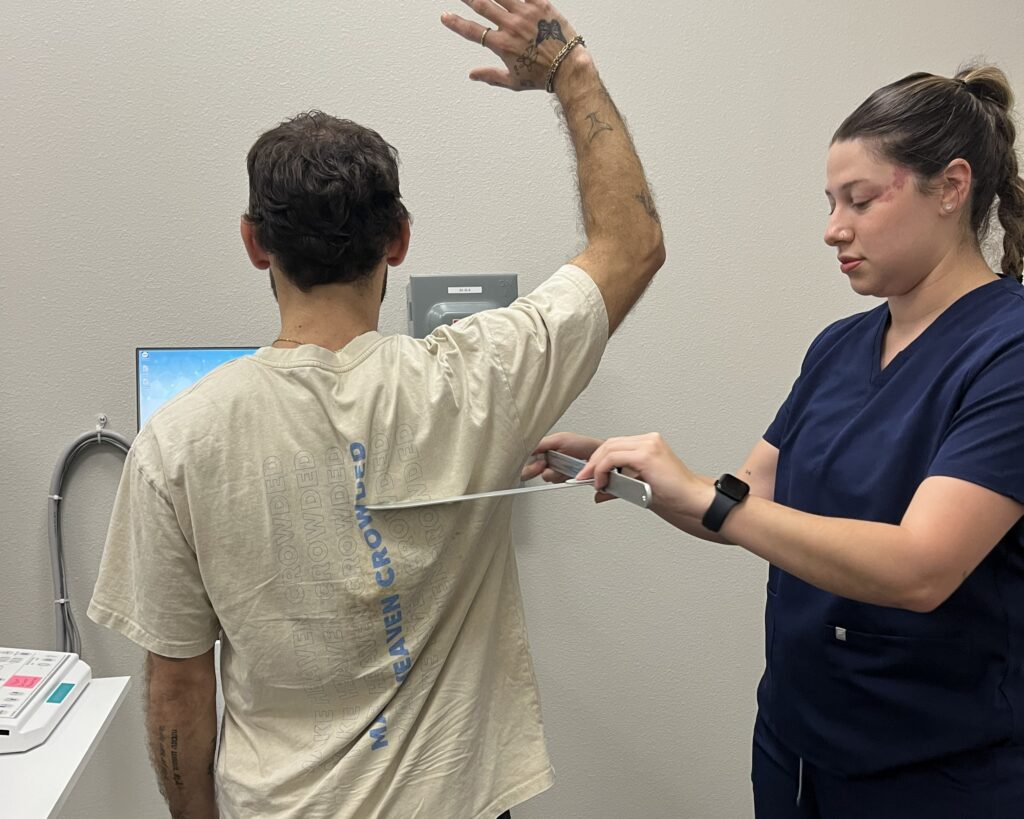
Chiropractic care is a fantastic option for natural headache relief. By focusing on spinal health and alignment, chiropractors can help reduce tension in the neck and shoulders, which often contributes to headaches. Regular chiropractic adjustments can lead to improved posture and reduced stress on the nervous system—both of which can help minimize headache occurrences.
If you’re curious about more strategies to manage headaches, consider incorporating regular chiropractic visits into your wellness routine. Not only can it help with headache relief, but it also supports overall health and well-being. Let’s explore the best tips for managing headaches and find what works best for you!
Key Takeaways
- Keep a detailed headache diary to track your symptoms and identify potential triggers. This can be incredibly helpful in understanding what might be causing your discomfort and how chiropractic care can assist in managing it.
- Staying hydrated is key! Aim to drink at least eight 8-ounce glasses of water each day, along with eating foods that have high water content. Dehydration can sometimes lead to headaches, and proper hydration supports overall health and spinal function.
- Incorporate relaxation techniques into your daily routine. Simple practices like deep breathing, yoga, or mindfulness meditation can help reduce stress and decrease the frequency of headaches. Chiropractic care can also enhance your relaxation by relieving tension in the spine.
- Regular chiropractic adjustments can be a game-changer for those suffering from headaches. By aligning the spine and addressing any tension or misalignments, chiropractic care can help alleviate headache pain and promote overall wellness.
- Pay attention to your posture, especially while working. Make sure your workspace is set up ergonomically to reduce strain on your neck and back. Good posture not only supports spinal health but also helps to prevent headaches from occurring in the first place.
By following these tips and incorporating chiropractic care into your health routine, you can work towards achieving optimal health and minimizing headache discomfort naturally.
Identify Triggers and Patterns
When you start tracking your headaches, you may discover specific triggers and patterns that can help you manage them more effectively. A great first step is to keep a detailed diary of your headaches. Record the date, time, duration, intensity, and any potential triggers like food, stress, or lack of sleep.
As you gather this information, watch for recurring themes. Do certain foods seem to lead to your headaches? Are they more frequent after a long day at work? Identifying these patterns empowers you to make informed choices that can support your health.
It’s also important to consider environmental factors, such as bright lights or noisy settings, that may contribute to your discomfort. By understanding your unique triggers, you can take proactive steps to avoid them. This might include creating a calming environment or practicing relaxation techniques to reduce stress.
Chiropractic care can play a significant role in managing headaches as well. Regular adjustments can help align your spine, relieve tension, and improve overall nervous system function, which may lead to fewer headaches and better overall wellness.
In addition to tracking your headaches, here are some general tips to consider for better health and wellness:
- Stay hydrated by drinking plenty of water throughout the day.
- Maintain a regular sleep schedule to ensure you get enough rest.
- Practice good posture, especially if you spend long hours at a desk.
- Incorporate gentle exercises or stretches into your daily routine to keep your body moving.
Stay Hydrated
Staying hydrated is crucial for overall wellness and can play a significant role in preventing headaches. As a chiropractor, I emphasize that proper hydration is just one of the many ways to support your body’s natural healing processes.
It’s important to understand how much water you need to keep your body functioning optimally. If you’re experiencing fatigue, dizziness, or a dry mouth, these may be signs of dehydration.
Remember, your body—and your spine—requires adequate water to maintain flexibility and function properly. Here are some simple hydration strategies to help you stay at your best:
- Set Daily Goals: Aim for at least eight 8-ounce glasses of water a day. This can vary based on your activity level, so listen to your body.
- Carry a Water Bottle: Keep a refillable water bottle with you throughout the day to encourage regular sipping. This can serve as a reminder to hydrate.
- Eat Hydrating Foods: Incorporate fruits and vegetables with high water content, like cucumbers, oranges, and watermelon, into your diet. They not only hydrate but also provide essential nutrients for your body.
- Infuse Your Water: If plain water bores you, try infusing it with herbs, fruits, or vegetables for added flavor and nutrients.
- Monitor Your Hydration: Pay attention to the color of your urine. A light yellow color typically indicates good hydration, while dark yellow suggests you may need to drink more water.
Combining these hydration tips with regular chiropractic care can help you maintain a balanced body and prevent discomfort.
Chiropractic adjustments can improve spinal health, enhance circulation, and promote overall wellness, allowing your body to function at its best.
Importance of Water Intake
Proper hydration is crucial for maintaining overall health and can significantly impact your experience with headaches. As a chiropractor, I emphasize the importance of keeping your body well-hydrated to support your spinal health and overall wellness. When you drink enough water, you help maintain your body’s fluid balance, which is essential for optimal brain function and spinal health.
Dehydration can lead to increased tension and headaches, including migraines, so it’s important to make sure you’re consuming enough water throughout the day. A good rule of thumb is to aim for at least eight 8-ounce glasses of water daily. However, you may need to adjust this amount based on your activity level and the environment you’re in.
If you’re active or spending time in hot weather, don’t forget to increase your intake to replace the fluids you lose. Carrying a reusable water bottle can serve as a great reminder to sip regularly throughout the day.
Staying hydrated not only helps to prevent headaches but also contributes to your overall energy levels and mood, which is vital for maintaining a healthy lifestyle.
Remember, proper hydration is just one piece of the puzzle when it comes to natural healing. Regular chiropractic care can also play a significant role in managing pain, enhancing your body’s natural healing processes, and improving your overall well-being.
Signs of Dehydration
Dehydration can sneak up on you, making it essential to recognize its signs early for your overall health and wellness. You might initially feel thirsty, but that’s just the tip of the iceberg. Keep an eye out for symptoms like a dry mouth, fatigue, or dizziness. Dark urine is a clear signal that your body is calling for more fluids. You may also experience headaches, which can become more intense if you’re not properly hydrated. Other signs include a rapid heartbeat and dry skin.
As a chiropractor, I want to emphasize that staying hydrated is crucial for maintaining optimal spinal health and overall wellness. Pay close attention to how your body feels, especially during hot weather or after physical activity. Ignoring these signs can lead to more severe issues, including confusion and fainting, which can impact your well-being and quality of life.
Here are some general tips to help you maintain proper hydration and support your body’s natural healing process:
- Drink Water Regularly: Aim to drink water throughout the day, not just when you feel thirsty. Keep a water bottle handy as a reminder.
- Eat Hydrating Foods: Incorporate fruits and vegetables with high water content into your diet, like cucumbers, watermelon, and oranges.
- Set Reminders: Use your phone or an app to remind you to drink water at regular intervals.
- Listen to Your Body: If you notice symptoms like fatigue or headaches, take a break, hydrate, and assess your hydration levels.
- Consult with Your Chiropractor: Regular chiropractic visits can help ensure your body is functioning optimally, and we can also provide personalized advice on hydration and wellness.
Hydration Strategies to Consider
Recognizing the signs of dehydration is an important step toward optimal health, especially when it comes to your spine and overall well-being. Maintaining proper hydration can enhance your body’s natural healing abilities, making it even more crucial for those seeking pain relief and better health.
Start by setting a daily water intake goal – aim for at least eight 8-ounce glasses to keep your body functioning at its best. Carrying a reusable water bottle can serve as a constant reminder to drink throughout the day, promoting healthier habits.
Incorporating hydrating foods like cucumbers, watermelon, and oranges into your meals can give your body the extra hydration it needs while also providing essential nutrients that support spinal health and overall wellness.
If you’re active or spending time in a hot environment, it’s essential to increase your fluid intake to meet your body’s demands. Rather than waiting until you feel thirsty, make it a habit to sip water regularly throughout the day. Herbal teas and electrolyte drinks can also be beneficial in maintaining hydration levels without resorting to medications or synthetic solutions.
Tracking your water intake with a simple app can help you ensure you’re meeting your hydration goals, which in turn supports your body’s natural healing processes. Staying well-hydrated can significantly reduce headache occurrences and improve your overall well-being, making it a vital component of your health journey.
Maintain a Regular Sleep Schedule
To effectively manage headaches, one of the most important steps is to maintain a regular sleep schedule. As a chiropractor, I often emphasize the connection between proper sleep and overall wellness, including spinal health. Aim for consistent sleep hours each night to help your body recover and rejuvenate.
It’s also wise to limit naps during the day, as they can disrupt your nighttime rest and might contribute to headache issues.
Creating a calming sleep environment can further enhance your rest. Consider factors such as comfortable bedding, a dark room, and reducing noise to promote better sleep quality. By implementing these simple changes, you may notice a significant reduction in both the frequency and intensity of your headaches.
Remember, chiropractic care is a natural approach to pain relief and can help improve your overall health. Regular adjustments can enhance your spinal alignment, which may also contribute to better sleep and reduced headaches.
Consistent Sleep Hours
Consistent Sleep Hours: A Key to Pain Relief and Wellness
As a chiropractor, I can’t emphasize enough how vital it’s to maintain consistent sleep hours for overall health and wellness, especially when it comes to managing headaches. While it might be tempting to stay up late on weekends, your body thrives on routine. Irregular sleep patterns can lead to tension and migraines, which can be detrimental to your spinal health.
By aiming to go to bed and wake up at the same time every day, even on your days off, you help regulate your body’s internal clock. This simple practice can significantly improve your sleep quality and reduce the frequency of headaches. A well-rested body can better manage pain, allowing your chiropractic adjustments to work more effectively.
Here are some general tips to help you maintain consistent sleep hours:
- Create a Relaxing Bedtime Routine: Wind down with calming activities such as reading or gentle stretching to prepare your body for sleep.
- Limit Screen Time: Reduce exposure to screens at least an hour before bedtime, as the blue light can interfere with your ability to fall asleep.
- Set a Sleep Schedule: Try to stick to a consistent sleep schedule, even on weekends, to help your body establish a healthy rhythm.
- Optimize Your Sleep Environment: Make sure your bedroom is conducive to sleep—dark, quiet, and cool can help you fall asleep faster and stay asleep longer.
- Stay Active: Regular physical activity can promote better sleep, but try to avoid vigorous exercise close to bedtime.
By adopting these habits, you can enhance your overall health and well-being, making it easier to manage headaches and maintain a healthier spine.
Chiropractic care can also play a crucial role in supporting your journey toward optimal health. With regular adjustments, you can alleviate tension and improve your body’s ability to heal naturally.
Limit Naps Duration
Naps can be a fantastic way to recharge your body and mind, but it’s important to keep them short to maintain a healthy sleep routine. As a chiropractor, I recommend aiming for naps that last no longer than 20 to 30 minutes. This brief duration helps you avoid slipping into deep sleep, which can leave you feeling groggy and disrupt your nightly rest.
If you find yourself napping for too long, it might affect your ability to fall asleep at night, leading to issues like headaches and fatigue. To get the most out of your naps, try to schedule them in the early afternoon when your energy naturally dips.
By limiting the duration and timing of your naps, you not only support your overall sleep patterns but also enhance your daily focus and productivity.
Create Relaxing Environment
Creating a relaxing environment is not only crucial for a good night’s sleep but also plays a significant role in your overall health and wellness. By establishing a calm atmosphere, you can signal to your body that it’s time to unwind, which can help alleviate stress and tension often related to spinal issues. Here are some simple steps you can take to create a peaceful space that supports your health and complements chiropractic care.
Start by decluttering your bedroom; a tidy space promotes tranquility and can help reduce anxiety. This is especially important if you’re managing pain or discomfort, as a serene environment can aid in your healing process. Dim the lights in your room—soft, warm lighting is ideal because it encourages relaxation and prepares your body for sleep. Consider using blackout curtains to block out any outside distractions that might interfere with your rest.
Incorporating calming scents can also enhance your relaxation. Aromatherapy with essential oils, such as lavender, has been shown to reduce stress and improve sleep quality, which can be beneficial for your spine and overall health.
Here’s a quick reference table to help you set up your peaceful space:
| Element | Benefit | Tips |
|---|---|---|
| Lighting | Promotes sleepiness | Use soft, warm lights |
| Sound | Masks disturbances | Try white noise machines or soothing nature sounds |
| Scent | Reduces stress | Use essential oils or calming candles |
| Temperature | Enhances comfort | Keep your room cool, around 65°F for optimal relaxation |
Practice Relaxation Techniques
Since stress often triggers headaches, incorporating relaxation techniques can be a powerful way to find relief and support your overall well-being. As a chiropractor, I believe that addressing stress is crucial for maintaining a healthy spine and body. Here are some simple strategies you can easily integrate into your daily routine.
Start with deep breathing exercises. Inhale deeply through your nose, hold for a few seconds, and slowly exhale through your mouth. This practice not only calms your mind but also helps to reduce tension in your body, which can alleviate stress-related headaches.
Another effective method is progressive muscle relaxation. Try tensing each muscle group for a few seconds and then releasing. This technique can help you become more aware of where you hold stress, allowing you to target those areas for relief.
Mindfulness meditation is also beneficial. By centering your attention on the present moment, you can quiet racing thoughts that often contribute to headaches. Just a few minutes each day can make a significant difference in your mental clarity and stress levels.
Incorporating gentle yoga or stretching into your routine is another excellent way to release physical tension. These practices not only promote relaxation but also improve flexibility and support spinal health.
Remember, a well-aligned spine is essential for overall wellness.
By regularly practicing these relaxation techniques, you can better manage stress and potentially reduce the frequency and intensity of your headaches. Chiropractic care can further enhance your natural healing process by ensuring your spine is aligned and functioning optimally.
Embrace a holistic approach to health by combining these techniques with regular chiropractic adjustments for the best results in achieving pain relief and overall wellness.
Use Over-the-Counter Medications Wisely
Managing headaches can be challenging, but there are natural and effective ways to find relief without relying heavily on over-the-counter medications. As a chiropractor, I believe that chiropractic care is one of the best approaches to achieving optimal health and wellness.
Here are some tips to help you manage headaches naturally and effectively:
- Consider Chiropractic Care: Regular chiropractic adjustments can help align your spine and relieve tension in your muscles, which may be contributing to your headaches. A chiropractor can assess your condition and provide personalized treatment tailored to your needs.
- Stay Hydrated: Dehydration is a common trigger for headaches. Make sure you’re drinking enough water throughout the day to keep your body well-hydrated.
- Practice Good Posture: Poor posture can lead to tension headaches. Be mindful of your posture while sitting and standing, and consider ergonomic adjustments to your workspace to support spinal health.
- Limit Stress: Stress can exacerbate headaches. Incorporate stress-reducing practices into your daily routine, such as deep breathing exercises, meditation, or gentle yoga.
- Get Regular Exercise: Physical activity can help reduce the frequency and intensity of headaches. Aim for regular, low-impact exercises like walking or swimming, which can also improve your overall well-being.
- Observe Your Triggers: Keep a headache diary to identify potential triggers such as certain foods, lack of sleep, or environmental factors. Being aware of these can help you make lifestyle adjustments to prevent headaches.
- Sleep Well: Ensure you’re getting adequate and quality sleep each night, as poor sleep can lead to increased headache susceptibility. Establish a calming bedtime routine to promote restful sleep.
By focusing on these natural methods and considering the benefits of chiropractic care, you can effectively manage headaches and enhance your overall health without relying on medications.
Incorporate Regular Exercise
Incorporating regular exercise into your routine can be a game-changer for reducing the frequency and intensity of headaches. As a chiropractor, I often see the positive effects of physical activity on overall health, including spinal health. Exercise increases blood flow, releases endorphins—your body’s natural pain relievers—and helps alleviate tension in your muscles, which can contribute to headache relief.
Aim for at least 30 minutes of moderate exercise most days of the week. Here’s a helpful table to guide you in choosing activities that you might enjoy and that can support your journey to better health:
| Activity | Duration | Benefits |
|---|---|---|
| Walking | 30 minutes | Low impact, easy to start, promotes spinal alignment |
| Yoga | 30-60 minutes | Improves flexibility, promotes relaxation, and supports spinal health |
| Cycling | 30 minutes | Great for cardiovascular health and strengthens leg muscles, which support posture |
| Swimming | 30 minutes | Full body workout that reduces joint stress and aids in muscle balance |
| Dancing | 30 minutes | A fun way to boost mood, improve fitness, and enhance coordination |
Experiment with different activities to find what you truly enjoy. Remember, exercise doesn’t have to be a chore; it can be a fun and integral part of your day. Additionally, regular physical activity complements chiropractic care, enhancing its benefits by further aligning your spine and improving your overall health.
If you find yourself experiencing headaches, don’t hesitate to reach out for chiropractic care. It can be an effective way to address underlying issues and promote natural healing. By making exercise a priority in your life, you are investing in a healthier future and a more balanced lifestyle.
Seek Professional Help When Necessary
Even with regular exercise, you might still find yourself dealing with persistent headaches. When that happens, it’s crucial to explore natural solutions, such as chiropractic care, which can help address the underlying issues contributing to your discomfort. A chiropractor can provide personalized assessments and treatment plans tailored to your unique needs.
Here are some signs that it may be time to consult a chiropractor:
- Frequent Headaches: If you’re experiencing headaches more than twice a week, it’s a good idea to get a professional evaluation. A chiropractor can help identify any spinal misalignments or tension that may be contributing to your headaches.
- Severe Pain: If the pain is intense and disrupts your daily activities, don’t hesitate to seek help from a chiropractor. They can use gentle adjustments and techniques to alleviate pain and restore proper function.
- New Symptoms: Sudden changes in your headache patterns or new symptoms, such as neck stiffness or shoulder tension, should prompt a visit to a chiropractor. They can assess your posture and spinal alignment to determine if they’re contributing factors.
- Ineffective Over-the-Counter Medications: If common pain relievers aren’t providing relief, consider discussing your symptoms with a chiropractor. They can offer natural, drug-free alternatives that can help manage pain effectively.
In addition to seeking chiropractic care, here are some general tips to help manage headaches naturally:
- Stay Hydrated: Dehydration can lead to headaches, so be sure to drink plenty of water throughout the day.
- Maintain Good Posture: Poor posture can strain your neck and back, leading to headaches. Be mindful of your posture while sitting at a desk or using your phone.
- Practice Relaxation Techniques: Stress can contribute to headaches, so try incorporating relaxation techniques such as deep breathing, yoga, or meditation into your routine.
- Get Enough Sleep: Ensure you’re getting adequate rest, as lack of sleep can trigger headaches.
Taking these steps can help you manage your headaches effectively and improve your overall well-being through the power of chiropractic care.
Conclusion
Managing headaches effectively is key to maintaining your overall well-being, and as a chiropractor, I want to share some valuable insights that can help you. One of the first steps is to keep a diary to identify what triggers your headaches. This can help you make informed decisions about your lifestyle and environment. Staying hydrated is also crucial, as dehydration can often lead to headaches.
Establishing a regular sleep routine is another important factor. Quality sleep supports your body’s natural healing processes, which can reduce headache frequency. Incorporating relaxation techniques such as deep breathing or meditation can help ease tension and promote relaxation, further reducing headache occurrences.
Regular physical activity is beneficial not only for your overall health but also for preventing headaches. Exercise can help alleviate stress and improve blood circulation, which may contribute to fewer headaches.
While over-the-counter medications can provide temporary relief, it’s essential to explore natural approaches to wellness. Chiropractic care focuses on spinal health and can be an effective way to address headaches at their source. By ensuring that your spine is aligned and functioning optimally, you may experience a significant reduction in headache frequency and intensity.
If you find that headaches persist, don’t hesitate to seek the guidance of a chiropractor. We are here to help you find effective, natural solutions for your pain relief and overall health. By implementing these strategies and considering chiropractic care, you can work towards a healthier, happier life free from the burden of headaches.