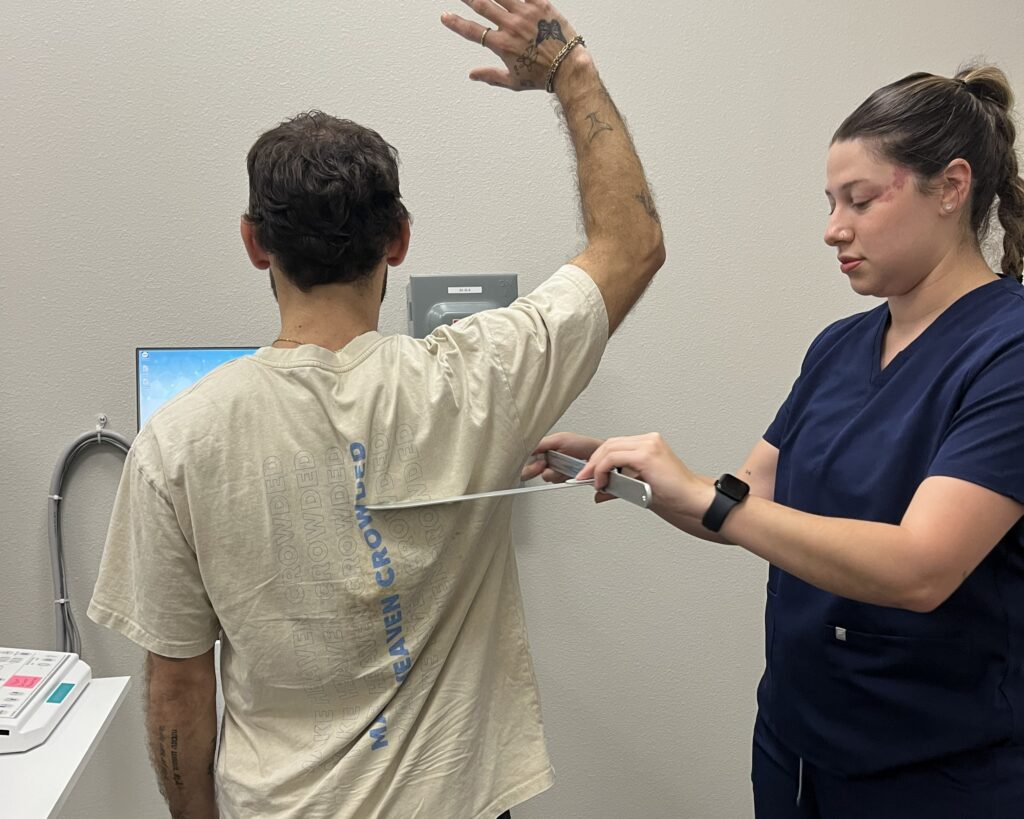

If you’ve ever experienced headaches or migraines, you know just how much they can interfere with your daily life. Thankfully, there are natural strategies that can help you manage these discomforts effectively and promote overall well-being. As a chiropractor, I firmly believe that chiropractic care is one of the best ways to relieve pain and enhance your health holistically.
Here are some practical tips to help you manage headaches and migraines:
- Stay Hydrated: Dehydration can often trigger headaches. Make it a habit to drink plenty of water throughout the day. Staying hydrated can help your body function better, reducing the chance of headaches.
- Practice Good Posture: Poor posture can lead to tension in your neck and back, contributing to headaches. Pay attention to your posture, especially when sitting for long periods. Regular chiropractic adjustments can help align your spine and improve your posture, reducing strain.
- Incorporate Relaxation Techniques: Stress is a common trigger for headaches. Techniques such as deep breathing, meditation, or gentle yoga can help you relax. Chiropractic care often includes advice on relaxation methods that can ease tension in your muscles.
- Maintain a Regular Sleep Schedule: Inadequate or irregular sleep can worsen headache symptoms. Aim for a consistent sleep routine to help your body recover and heal. Good sleep is vital for spinal health and overall wellness.
- Limit Screen Time: Excessive screen time can lead to eye strain and tension headaches. Take regular breaks from screens, practice the 20-20-20 rule (every 20 minutes, look at something 20 feet away for 20 seconds), and consider chiropractic care to address any underlying spinal issues that may be contributing to discomfort.
- Stay Active: Regular physical activity helps keep your body healthy and can reduce the frequency of headaches. Gentle exercises such as walking, stretching, or yoga can be beneficial. Chiropractic care can also enhance your physical activity by improving your range of motion and reducing pain.
- Consult with a Chiropractor: If headaches persist, consider visiting a chiropractor. We can assess your spinal health and provide adjustments to relieve tension and promote better alignment, which may significantly reduce headache frequency and intensity.
By incorporating these simple changes into your daily routine and prioritizing chiropractic care, you can take significant steps toward managing your headaches and enhancing your overall health. Remember, natural healing is a journey, and I’m here to support you every step of the way!
Key Takeaways
- Stay hydrated by drinking at least eight 8-ounce glasses of water daily. Incorporate hydrating foods like watermelon and cucumbers into your diet, as proper hydration can help reduce tension in your body and support spinal health.
- Maintain a consistent sleep schedule. Aim for seven to nine hours of quality sleep each night to support your overall well-being. A well-rested body is less prone to headaches, and a good night’s sleep can also enhance your chiropractic care results.
- Keep a headache diary to identify your unique triggers. By noting when headaches occur, you can discover patterns involving stress, certain foods, or environmental factors. This awareness can help you make informed choices that support your health and wellness journey.
- Engage in regular exercise for at least 30 minutes most days. Physical activity can improve circulation and reduce stress, which are both vital for managing headaches. Plus, exercise complements chiropractic adjustments, helping you stay aligned and pain-free.
- Explore natural remedies like peppermint oil, ginger tea, and lavender essential oil for relief. While these can be helpful, chiropractic care is a holistic approach that addresses the root causes of headaches and promotes long-term wellness. If headaches persist, it’s essential to consult your chiropractor, who can provide targeted adjustments and additional strategies tailored to your needs.
Stay Hydrated
Staying hydrated is crucial for managing headaches and migraines, and it plays a vital role in your overall health and wellness. As a chiropractor, I believe that proper hydration can enhance your body’s ability to function optimally, helping to alleviate pain naturally. When you don’t drink enough water, your body can become dehydrated, which often triggers those painful headache symptoms.
To keep those headaches at bay, aim to drink at least eight 8-ounce glasses of water daily. A simple tip is to carry a water bottle with you; this can make it easier to sip throughout your day and ensure you’re getting enough fluids.
Listen to your body’s signals. If you’re feeling thirsty, that’s a clear indication you need to hydrate. Additionally, certain foods can contribute to your hydration levels—fruits and vegetables like watermelon and cucumbers are fantastic choices to incorporate into your meals for that extra moisture.
If you lead an active lifestyle or live in a warm climate, don’t hesitate to increase your water intake. Remember, drinking small amounts consistently is often more beneficial than chugging large quantities at once. By keeping hydration a priority, you’re taking an essential step toward reducing the frequency and intensity of headaches.
Chiropractic care can also support your body’s natural healing processes. A well-aligned spine can improve your overall health, enhance your hydration efficiency, and reduce tension that often contributes to headaches.
Maintain a Regular Sleep Schedule
Maintaining a regular sleep schedule is crucial for your overall health and can significantly help reduce the risk of headaches and migraines. By going to bed and waking up at the same time every day, you help regulate your body’s internal clock, making it easier to fall asleep and enjoy restful sleep. Aim for seven to nine hours of quality sleep each night, as this is vital for your well-being.
To enhance your sleep quality, establish a calming bedtime routine that signals your body it’s time to relax. It’s a good idea to avoid screens and stimulating activities an hour before bed since blue light can disrupt your natural sleep patterns.
Create a comfortable sleep environment by ensuring your bedroom is dark, quiet, and cool. If you have trouble falling asleep, consider incorporating relaxation techniques such as deep breathing or meditation.
As a chiropractor, I can’t emphasize enough how important good sleep is for your spinal health and overall wellness. Poor sleep can lead to tension in your neck and back, potentially increasing the frequency and intensity of headaches and migraines.
By sticking to a consistent sleep schedule and considering chiropractic care, you can’t only feel more energized but also promote natural healing and pain relief.
Identify and Avoid Triggers
Identifying and avoiding triggers is a vital step in managing headaches and migraines effectively. As a chiropractor, I encourage you to start by keeping a simple diary to track your symptoms. This helps you pinpoint what might be causing your pain. Common triggers can include certain foods, stress, or even lack of sleep.
Once you identify these triggers, you can make adjustments in your daily routine to help reduce the frequency and intensity of your headaches.
Chiropractic care can play a significant role in addressing headaches and migraines. Many patients find that regular chiropractic adjustments help alleviate tension in the neck and spine, which can be a contributing factor to headache pain. By ensuring proper alignment and function of your spine, you may experience fewer headaches and an overall improvement in your well-being.
In addition to seeking chiropractic care, here are some general tips to help manage your headaches:
- Stay Hydrated: Drink plenty of water throughout the day to avoid dehydration, which can trigger headaches.
- Practice Relaxation Techniques: Incorporate stress-reduction practices such as deep breathing, meditation, or gentle yoga into your routine.
- Maintain a Consistent Sleep Schedule: Aim for a regular sleep pattern by going to bed and waking up at the same time each day.
- Eat Balanced Meals: Focus on a diet rich in whole foods, including fruits, vegetables, lean proteins, and healthy fats. Avoiding known trigger foods can also be beneficial.
- Limit Screen Time: Take breaks from screens to reduce eye strain, which can contribute to headaches.
By understanding your triggers and integrating chiropractic care into your wellness routine, you can take proactive steps toward a healthier, pain-free life.
Common Headache Triggers
What factors contribute to your headaches? Understanding the everyday elements that can trigger headaches is key to finding relief and promoting overall wellness.
Stress and anxiety are common culprits that can tighten your muscles, leading to tension headaches. Maintaining proper posture, especially during long hours at a desk, is crucial; poor alignment can exacerbate discomfort.
Another significant trigger is dehydration, so it’s important to ensure you’re drinking enough water throughout the day. Additionally, while caffeine can sometimes provide relief, it can also trigger headaches if consumed in excess or if you suddenly cut back.
Certain foods, like aged cheeses, processed meats, and artificial sweeteners, may provoke migraines for some individuals. By recognizing and avoiding these triggers, you can take proactive steps to minimize headache occurrences.
Chiropractic care can play a vital role in managing headaches. Regular adjustments can help align your spine, relieve muscle tension, and improve your posture, all of which can reduce the frequency and severity of headaches.
Incorporating relaxation techniques, staying hydrated, and maintaining a healthy diet can also support your journey to optimal health. Remember, addressing the root cause of your headaches through natural methods like chiropractic care can lead to lasting relief and a healthier, happier life.
Tracking Your Symptoms
Tracking your headaches can be a transformative step in managing your pain and improving your overall wellness. Understanding your symptoms and identifying patterns can help you avoid triggers and promote natural healing. Here are some simple tips to help you track your headaches effectively:
- Keep a headache diary: Write down the date, time, and duration of each headache. This will allow you to see if there’s a pattern over time.
- Describe your symptoms: Take note of the intensity and type of pain you experience. Is it sharp, throbbing, or dull? This information can help you and your chiropractor understand your condition better.
- Spot potential triggers: Record anything that might’ve contributed to your headache, such as certain foods, stress levels, or changes in the weather. Understanding these triggers can empower you to make lifestyle adjustments that support your health.
- Review your findings regularly: Take some time each week to analyze your diary. Look for themes or recurring patterns that may indicate when your headaches are more likely to occur. This insight can guide you in making beneficial changes to your daily routine.
By tracking your headaches, you can gain valuable insights into your health and work towards reducing their frequency.
Remember, chiropractic care is a natural approach that focuses on spinal health and overall well-being, providing effective relief from headache pain without the need for medications or invasive procedures.
If you’re struggling with headaches, consider scheduling a visit with your chiropractor to explore personalized solutions for a healthier, pain-free life.
Lifestyle Modifications Needed
To effectively manage headaches and migraines, it’s essential to make some lifestyle modifications, particularly when it comes to identifying and avoiding triggers. As a chiropractor, I recommend starting with a headache diary. This can help you spot patterns and identify potential triggers—be they related to food, your environment, or stress.
Common triggers may include caffeine, alcohol, and certain cheeses, so it might be worthwhile to eliminate or reduce these from your diet. Additionally, be mindful of your surroundings; strong odors, bright lights, or loud noises can exacerbate your symptoms.
Establishing a consistent sleep schedule is crucial. Irregular sleep patterns and dehydration are known to trigger headache attacks, so ensure you’re drinking plenty of water and getting enough rest.
Moreover, incorporating stress management techniques, such as yoga or meditation, can significantly reduce the frequency and intensity of headaches. These practices not only promote relaxation but can also enhance your overall wellness.
Remember, chiropractic care plays a vital role in maintaining optimal health. Regular chiropractic adjustments can help improve spinal alignment, which may alleviate some headache symptoms.
Practice Relaxation Techniques
As a local chiropractor, I understand how debilitating headaches and migraines can be. Incorporating relaxation techniques into your daily routine can significantly alleviate the frequency and intensity of these discomforts, allowing you to manage stress—one of the main triggers for headaches.
By prioritizing natural healing and wellness, you can support your overall health and complement chiropractic care. Here are four effective techniques you can easily incorporate:
- Deep Breathing: Begin by taking slow, deep breaths. Inhale deeply through your nose, hold for a moment, and then exhale gently through your mouth. Repeat this several times to help calm your nervous system.
- Progressive Muscle Relaxation: This technique involves tensing and then relaxing each muscle group. Start with your toes, tense them for a few seconds, and then let go. Gradually make your way up to your head. This can help release built-up tension in your body.
- Meditation: Spend a few minutes each day focusing on your breath or repeating a calming phrase. This practice can help clear your mind of clutter and reduce tension, making it easier to find peace within yourself.
- Guided Imagery: Visualizing a serene scene or a joyful memory can serve as a powerful distraction from pain. Picture yourself in a tranquil place, which can promote relaxation and help alleviate discomfort.
By regularly practicing these techniques, you can discover what resonates with you and enhance your wellness journey.
Incorporate Regular Exercise
Incorporating regular exercise into your routine can significantly enhance your ability to manage headaches and migraines, complementing the benefits of chiropractic care. Physical activity boosts blood circulation, reduces stress, and releases endorphins—natural pain relievers that can help ease headache symptoms. Aim for at least 30 minutes of moderate exercise most days of the week. Gentle activities like walking, swimming, or yoga can be especially helpful for your overall wellness.
Here’s a simple exercise plan you can follow to get started:
| Day | Activity | Duration |
|---|---|---|
| Monday | Walking | 30 minutes |
| Wednesday | Yoga | 30 minutes |
| Friday | Swimming | 30 minutes |
| Sunday | Cycling | 30 minutes |
Remember to listen to your body and adjust your routine as needed. Consistency is vital, so choose activities you genuinely enjoy, making it easier to stick with your exercise plan. This ongoing commitment to exercise can enhance your chiropractic care and help you manage headaches more effectively over time.
Additionally, it’s important to maintain proper posture during your workouts and daily activities, as this can support your spinal health and overall well-being. If you ever experience pain or discomfort, don’t hesitate to consult with your chiropractor, who can provide tailored advice and adjustments to optimize your health journey. By combining regular exercise with chiropractic care, you can pave the way for a healthier, pain-free life.
Use Natural Remedies
As a chiropractor, I understand that managing headaches and migraines can be challenging, but there are natural remedies that can complement your chiropractic care and enhance your overall wellness. Many of my patients have found relief through simple, everyday solutions that support both spinal health and pain management.
Here are some effective remedies you can try:
- Peppermint Oil: Applying diluted peppermint oil to your temples can provide a cooling sensation that eases tension. This may help improve blood flow and relieve headache symptoms without the need for medications.
- Ginger Tea: Brewing fresh ginger tea is a great way to harness its anti-inflammatory properties. It can help soothe headaches and alleviate nausea, supporting your body’s natural healing processes.
- Lavender Essential Oil: Inhaling lavender oil or using it in a diffuser can promote relaxation and reduce headache intensity. The calming scent can create a soothing environment that complements the adjustments and care you receive in our practice.
- Hydration: Staying well-hydrated is essential for overall health, including headache prevention. Dehydration is a common trigger for headaches, so make sure you’re drinking plenty of water throughout the day.
In addition to these remedies, it’s important to maintain proper spinal alignment through regular chiropractic adjustments. This can help alleviate tension and stress that contribute to headaches and migraines.
Consult With a Healthcare Professional
Consulting with a chiropractor can be a game-changer, especially if headaches and migraines persist despite trying natural remedies. A chiropractor can help identify underlying issues related to your spine and nervous system that may be contributing to your headaches. They can also recommend natural treatments and lifestyle changes specifically designed to enhance your overall well-being.
Here’s a quick reference table to help you evaluate when it might be time to seek chiropractic care for your headaches:
| Symptoms to Discuss | Possible Chiropractic Solutions | When to Seek Help |
|---|---|---|
| Frequent headaches | Spinal adjustments | If headaches occur more than twice a week |
| Intense pain or tension | Neck and shoulder adjustments, soft tissue therapy | If headaches disrupt daily activities |
| Identified triggers | Posture correction, ergonomic advice | If headaches worsen or change in pattern |
Remember, chiropractic care focuses on natural healing methods that can relieve pain without the need for medications or invasive procedures. Simple lifestyle adjustments, like improving your posture, staying hydrated, and managing stress, can also make a significant difference in reducing headache frequency and intensity.
Don’t hesitate to reach out for expert advice; managing headaches effectively often requires a holistic approach. Your health is important, and choosing chiropractic care can lead to lasting relief and improved quality of life.
Conclusion
By following these tips, you can take charge of your headaches and migraines while promoting overall wellness. Staying hydrated and maintaining a consistent sleep schedule are fundamental steps in managing your health. It’s also crucial to identify and avoid your specific headache triggers. Incorporating relaxation techniques, such as deep breathing or meditation, can significantly help in reducing stress, which is often a major contributor to headaches.
Regular physical activity not only supports your overall health but can also alleviate tension that leads to headaches. As a chiropractor, I recommend gentle exercises that promote spinal health, as a well-aligned spine can improve your body’s function and reduce pain. Natural remedies, including chiropractic adjustments, can also provide effective relief by addressing the root causes of your discomfort.
If you find that your headaches persist, seeking the expertise of a chiropractor is essential. Chiropractic care focuses on restoring balance to the body through spinal adjustments, which can lead to significant relief from headache pain and contribute to your overall well-being. Remember, managing your headaches is a journey, and with the right strategies — particularly chiropractic care — you can discover what works best for you in achieving optimal health.