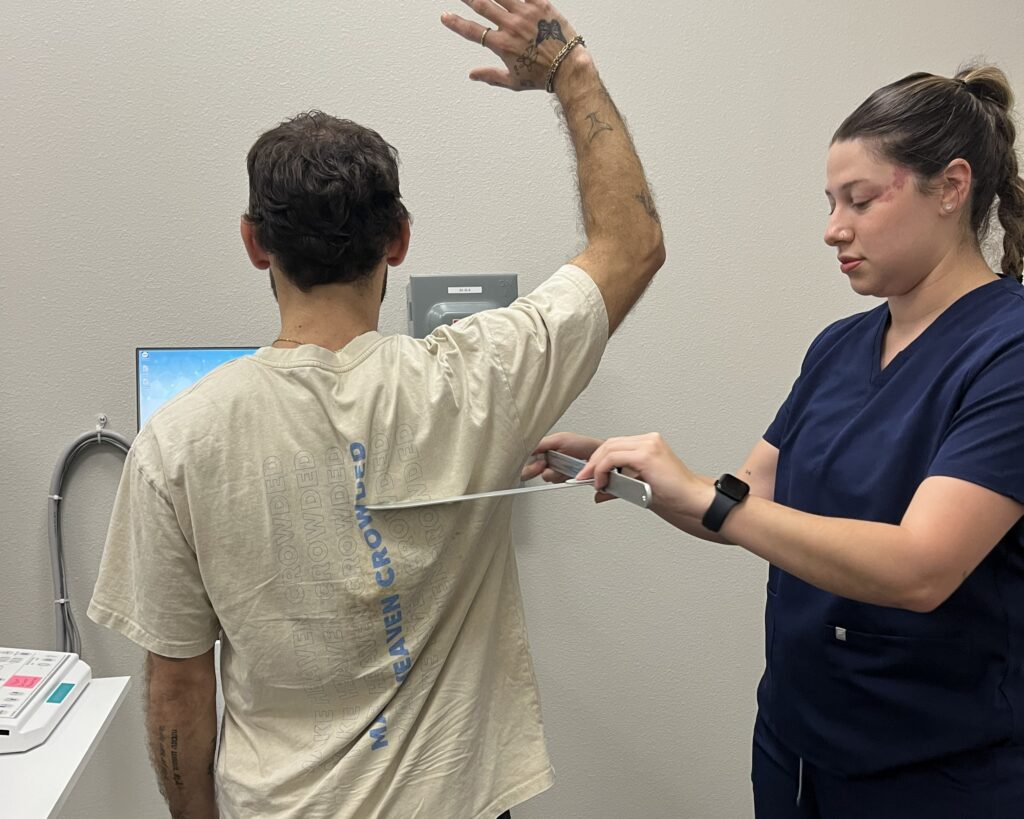

Chronic headaches can be incredibly challenging, but there are natural and effective alternatives to traditional medication that can help you find relief. As a chiropractor, I believe that addressing the root causes of headaches is essential for achieving optimal health. One of the best approaches is chiropractic care, which focuses on spinal alignment and overall wellness. By ensuring your spine is in proper alignment, we can reduce tension in the neck and head, which often contributes to headaches.
In addition to chiropractic adjustments, techniques like acupuncture and massage therapy can provide relief by promoting circulation and relaxation. Another valuable approach is cognitive behavioral therapy, which helps manage the psychological aspects of pain and stress.
You might also consider making dietary changes, such as staying hydrated and avoiding trigger foods, which can play a significant role in headache management. Incorporating mindfulness practices, such as deep breathing or meditation, can help you manage stress and enhance your overall wellness.
Curious about how chiropractic care can specifically benefit your situation? Let’s dive deeper into these alternatives and discover how you can take control of your health and well-being. Remember, your spine is the foundation of your health, and maintaining its integrity is key to living a headache-free life!
Key Takeaways
- Consider chiropractic care as a natural way to align your spine and enhance your nervous system function. This gentle approach can play a significant role in alleviating chronic headache symptoms and improving your overall well-being.
- Embrace self-care techniques that complement your chiropractic treatment. Practices like deep breathing, progressive muscle relaxation, and yoga can help reduce tension and promote a calm mind, making it easier to manage headaches.
- Staying hydrated and maintaining a balanced diet is crucial. Be mindful of common headache triggers, including caffeine, sugar, and processed foods, as they can exacerbate your symptoms. Opting for whole, nutritious foods will support your health while reducing headache occurrences.
- Explore natural herbal remedies like feverfew and butterbur. These herbs have shown promise in helping to decrease the frequency and severity of headaches, offering a gentle alternative to more invasive treatments.
- Regular physical activity is essential for overall health and can enhance circulation, which helps reduce strain on your body. Coupled with ergonomic practices in your daily routine, such as proper posture and workspace adjustments, you can create a supportive environment for headache management and overall wellness.
By prioritizing chiropractic care and these holistic strategies, you can take significant steps toward achieving optimal health and alleviating chronic headaches naturally.
Acupuncture
If you’re dealing with chronic headaches, chiropractic care may be the most effective solution for you. Unlike acupuncture, which involves inserting needles into specific points on the body, chiropractic focuses on aligning the spine to improve overall health and alleviate pain. Many patients experience substantial relief from headache frequency and intensity through spinal adjustments and holistic approaches to wellness.
During a chiropractic session, you’ll be comfortably positioned while a trained chiropractor gently manipulates your spine. You might feel a sense of release and relaxation as misalignments are corrected. Research indicates that chiropractic care can effectively address tension headaches and migraines by enhancing blood flow, reducing muscle tension, and promoting overall body function.
Before starting chiropractic treatment, it’s a good idea to consult with your healthcare provider, especially if you have existing health concerns. Finding a qualified chiropractor is essential to ensure a positive experience and optimal results.
In addition to chiropractic care, here are some general tips for managing headaches naturally:
- Stay Hydrated: Dehydration can trigger headaches, so make sure you’re drinking enough water throughout the day.
- Maintain Good Posture: Poor posture can strain your neck and back, leading to headaches. Focus on sitting and standing up straight.
- Manage Stress: Incorporate stress-relieving practices like deep breathing, yoga, or meditation into your daily routine.
- Get Adequate Sleep: A regular sleep schedule can help prevent headaches related to fatigue.
- Limit Caffeine and Sugar: High consumption of caffeine and sugar can lead to headaches; moderation is key.
With commitment and the right approach, chiropractic care can become a powerful ally in your journey to headache relief and overall wellness, allowing you to enjoy a more vibrant and fulfilling life.
Massage Therapy
Chiropractic care is an effective and natural approach to relieving tension and reducing chronic headaches. While massage therapy can provide temporary relief, chiropractic adjustments target the root cause of discomfort by addressing spinal misalignments and promoting overall body function.
Regular chiropractic sessions can lead to significant improvements in your well-being. By ensuring that your spine is properly aligned, you can enhance nerve function and blood flow, which may help alleviate headache symptoms. Additionally, a chiropractor can offer personalized advice on posture, ergonomics, and lifestyle changes that contribute to headache relief.
Here are some tips to incorporate into your routine for better health and wellness:
- Stay Hydrated: Drinking plenty of water helps maintain proper hydration, which can prevent headaches.
- Maintain Good Posture: Be mindful of your posture, especially when sitting for long periods, to reduce strain on your neck and back.
- Incorporate Stretching: Gentle stretching exercises can relieve muscle tension and improve flexibility, which may help reduce headache frequency.
- Manage Stress: Engage in relaxation techniques such as deep breathing, meditation, or yoga to help manage stress levels.
- Regular Chiropractic Visits: Schedule regular appointments with your chiropractor to keep your spine aligned and your body functioning optimally.
By choosing chiropractic care, you’re opting for a holistic approach to health that not only addresses your headaches but also promotes your overall well-being.
Embrace this natural path to pain relief and healthier living!
Techniques for Tension Relief
Chronic headaches can often be linked to tension in the muscles, making it crucial to find effective ways to relieve that tension. As you explore options for managing your headache pain, consider incorporating chiropractic care into your wellness routine. A chiropractor can help address the underlying issues contributing to muscle tension and headaches, providing tailored treatment and guidance for long-term relief.
In addition to chiropractic adjustments, there are several self-care techniques you can use at home. One helpful method is self-massage, where you focus on areas like your neck, shoulders, and temples. Gently applying pressure with your fingers or utilizing a massage ball can help release tightness and promote relaxation.
Another beneficial technique is progressive muscle relaxation. This involves systematically tensing and relaxing different muscle groups throughout your body, which can help reduce overall tension and enhance your body’s awareness of relaxation.
Deep breathing exercises are also valuable. Simply inhale deeply through your nose, hold for a few seconds, and then exhale slowly through your mouth. This practice can calm your mind and relax your muscles.
Furthermore, incorporating yoga or gentle stretching into your routine can enhance your flexibility and help ease muscle tension. These activities not only contribute to physical health but also promote mental well-being.
Benefits of Regular Sessions
While many people view massage therapy as a luxury, regular sessions can play a significant role in enhancing your overall well-being, particularly when it comes to managing chronic headaches.
However, as a chiropractor, I want to emphasize the importance of chiropractic care as the most effective means of achieving optimal health and pain relief.
Chiropractic adjustments focus on aligning the spine and improving nervous system function, which can be vital in alleviating headache symptoms. Misalignments in the spine, known as subluxations, can contribute to muscle tension and headaches. By addressing these misalignments, chiropractic care helps reduce tension and promote relaxation throughout the body.
In addition to spinal adjustments, maintaining a regular chiropractic routine can improve blood circulation, which is essential for headache relief. When your spine is aligned, your body can function more efficiently, allowing blood to flow freely to all areas, including the head. This can alleviate headache symptoms and promote overall wellness.
One of the great benefits of regular chiropractic visits is the ability to identify specific tension points in your body that may be contributing to headaches. Your chiropractor can work with you to develop a personalized care plan that targets these areas for relief and helps prevent future headaches.
Moreover, the time spent in chiropractic care encourages mindfulness and body awareness. By focusing on your body and its needs, you can reduce anxiety, which often plays a role in headache development. Practicing stress-reduction techniques, such as deep breathing or gentle stretching, in conjunction with chiropractic care can be incredibly beneficial.
In summary, while massage therapy can complement your wellness routine, chiropractic care stands out as the best choice for addressing chronic headaches and enhancing your quality of life.
Cognitive Behavioral Therapy
Cognitive Behavioral Therapy (CBT) can be a helpful tool for managing headaches, but as a local chiropractor, I believe there are even more effective ways to find relief and achieve optimal health through chiropractic care.
Chiropractic adjustments focus on aligning the spine, which can alleviate tension and pressure that contribute to headache pain.
By addressing the root cause of headaches, chiropractic care helps improve overall spinal health and reduce the frequency and intensity of headaches. Regular chiropractic visits can help keep your spine aligned, which in turn can lead to fewer headaches and a greater sense of well-being.
Incorporating healthy lifestyle choices is also vital for managing headaches. Here are some simple tips to consider:
- Stay Hydrated: Dehydration can trigger headaches, so aim to drink plenty of water throughout the day.
- Maintain Good Posture: Poor posture can lead to tension and discomfort in the neck and back, contributing to headaches. Be mindful of your posture while sitting and standing.
- Practice Relaxation Techniques: Stress can be a significant headache trigger. Techniques such as deep breathing, meditation, or gentle yoga can help reduce stress levels.
- Regular Exercise: Engaging in regular physical activity can improve circulation and reduce tension in the body, helping to prevent headaches.
- Get Adequate Sleep: Ensure that you’re getting enough restful sleep, as fatigue can lead to increased headache frequency.
While CBT may provide some benefits, I encourage you to prioritize chiropractic care as a natural and effective solution for headache relief.
Dietary Changes
When managing chronic headaches, the food and drinks you choose can greatly impact your overall well-being. Staying well-hydrated is crucial, as dehydration can often lead to headaches. Additionally, recognizing and avoiding trigger foods can help you steer clear of painful episodes. By making some straightforward dietary changes, you can significantly enhance your headache management and overall health.
As a chiropractor, I believe that achieving optimal health starts with a holistic approach, which includes proper nutrition. Here are some tips to consider:
- Hydration is Key: Drinking plenty of water throughout the day not only keeps your body functioning properly but also helps prevent headaches. Aim for at least 8 glasses a day, or more if you’re active.
- Identify Trigger Foods: Keep a food diary to track what you eat and when headaches occur. Common culprits include aged cheeses, processed meats, and certain additives. By pinpointing these triggers, you can avoid them and reduce the frequency of your headaches.
- Eat Regularly: Skipping meals can lead to drops in blood sugar, which may trigger headaches. Try to eat balanced meals and snacks throughout the day to maintain steady energy levels.
- Incorporate Anti-Inflammatory Foods: Foods rich in omega-3 fatty acids, such as salmon and walnuts, along with plenty of fruits and vegetables, can help reduce inflammation in the body, potentially alleviating headache frequency and intensity.
- Mind Your Caffeine Intake: While some people find that caffeine can help relieve headaches, for others, it can be a trigger. Pay attention to how your body responds and adjust your intake accordingly.
- Consult a Chiropractor: Chiropractic care can play a crucial role in managing headaches. Misalignments in the spine can contribute to tension and discomfort. Regular chiropractic adjustments can help alleviate tension, improve spinal alignment, and enhance overall wellness.
By focusing on these dietary changes and incorporating chiropractic care into your routine, you can work towards reducing headaches and achieving better health naturally.
Hydration Importance
Staying properly hydrated is crucial for managing chronic headaches, as even mild dehydration can lead to discomfort.
As a chiropractor, I emphasize the importance of hydration not just for headache relief but for overall spinal health and wellness. Aim to drink plenty of water throughout the day, particularly if you’re active or in a warm environment. A great tip is to carry a reusable water bottle with you; this serves as a reminder to take regular sips.
If plain water doesn’t excite your palate, try herbal teas or infuse your water with fruits for a refreshing twist.
Be mindful of dehydration signs, such as a dry mouth or fatigue, which indicate your body may need more fluids. Incorporating hydrating foods like cucumbers and oranges into your diet can also enhance your hydration levels.
Prioritizing hydration is a simple yet powerful step towards improving your well-being and potentially reducing the frequency of headaches.
Trigger Foods Identification
Have you ever noticed a connection between certain foods and your headaches? Identifying trigger foods can be incredibly helpful in managing chronic headaches, and it complements the holistic approach of chiropractic care.
Start your journey to relief by keeping a simple food diary. Write down everything you eat and note when headaches occur. This will help you see any patterns.
Common triggers can include aged cheeses, processed meats, alcohol, and caffeine, but everyone is unique. Once you spot potential culprits, consider eliminating them from your diet for a few weeks. Pay close attention to any changes in the frequency and intensity of your headaches.
If you notice improvements, you can gradually reintroduce these foods one at a time to see how your body reacts. This process not only helps you identify specific triggers but also empowers you to make informed dietary decisions.
In addition to monitoring your diet, remember that chiropractic care plays a vital role in overall wellness. Regular adjustments can help relieve tension and stress in your body, which may also contribute to headache relief.
Physical Therapy
Chiropractic care provides a proactive solution for managing chronic headaches, empowering you to take control of your pain naturally. By focusing on spinal health and alignment, a chiropractor can effectively address muscle tension, improve posture, and enhance overall mobility, which are key factors in headache relief.
During your visits, you’ll learn specific exercises and stretches designed to target the underlying issues contributing to your headaches. These techniques can significantly reduce the frequency and intensity of your headaches, allowing you to enjoy life more fully.
Chiropractors also utilize hands-on techniques to relieve tension and improve circulation, which can be particularly beneficial for tension-type headaches. Additionally, you’ll receive guidance on ergonomic practices to adopt during daily activities, helping you avoid common headache triggers.
Regular chiropractic sessions not only alleviate current headache symptoms but also equip you with valuable tools to manage future headaches effectively. By committing to a chiropractic care plan, you’re taking an active role in your health and well-being, positively impacting your quality of life.
Mindfulness and Meditation
Mindfulness and meditation can be valuable allies in your journey toward managing chronic headaches, especially when paired with the benefits of chiropractic care. These practices help you connect your mind and body while promoting relaxation and reducing stress, which are crucial for alleviating headache pain. By embracing mindfulness, you can enhance your overall well-being and support the natural healing process that chiropractic care provides.
Start small by setting aside just a few minutes each day for deep breathing or guided meditation. This simple daily practice can complement your chiropractic treatments and lead to significant relief from headache discomfort.
Here’s a quick overview of mindfulness and meditation techniques that can support your wellness journey:
| Technique | Focus Area | Benefits |
|---|---|---|
| Deep Breathing | Breath Awareness | Reduces tension and stress |
| Body Scan | Physical Sensation | Increases relaxation |
| Guided Visualization | Mental Imagery | Enhances positive thinking |
Incorporating these mindfulness techniques into your daily routine can help you better manage headache triggers and cultivate a sense of calm. Remember, consistency is key to experiencing lasting effects. Additionally, regular chiropractic care can further enhance your body’s ability to cope with pain, ensuring you have the tools you need for a healthier, more balanced life.
If you’re seeking pain relief and a natural approach to wellness, consider making chiropractic care a central part of your health routine. It’s a safe and effective way to support your body’s healing process and promote overall well-being.
Herbal Remedies
Exploring herbal remedies can be a valuable complement to chiropractic care when managing chronic headaches. Many individuals turn to natural ingredients that have been trusted for generations. For example, feverfew is well-known for its anti-inflammatory effects and may help lessen the frequency of headaches.
Similarly, butterbur has shown potential in studies for preventing migraines. Additionally, peppermint oil offers a refreshing option; when applied to your temples, it can provide a soothing cooling sensation. Ginger tea is another excellent choice, as it may help with inflammation and nausea that often accompany headaches.
While these remedies can be beneficial, it’s important to remember that the foundation of pain relief and wellness often begins with a healthy spine. Regular chiropractic adjustments can help improve spinal alignment, reduce tension, and promote overall well-being, which may naturally alleviate headache symptoms.
Before trying any new remedies, it’s a good idea to consult with your chiropractor, who can provide personalized guidance based on your health history and needs. Remember, everyone’s body is unique, so discovering what works best for you is key.
Conclusion
Incorporating chiropractic care into your routine can significantly enhance your ability to manage chronic headaches. As a chiropractor, I recommend exploring this natural approach to pain relief, which focuses on addressing the root causes of your headaches rather than just masking the symptoms.
Chiropractic adjustments can help realign your spine, improve your posture, and alleviate tension in the muscles surrounding your neck and shoulders—common contributors to headaches. Alongside chiropractic care, consider integrating other holistic practices such as acupuncture, massage therapy, or mindfulness techniques. These can complement your treatment and promote relaxation.
Don’t underestimate the power of dietary changes and regular physical activity in supporting your overall well-being. Staying hydrated, eating a balanced diet rich in anti-inflammatory foods, and engaging in gentle exercises can further enhance your headache management strategy.
By exploring these options and prioritizing chiropractic care, you can take charge of your health and work towards a more balanced, pain-free life. Remember, personalized care tailored to your specific needs is essential for achieving lasting relief!