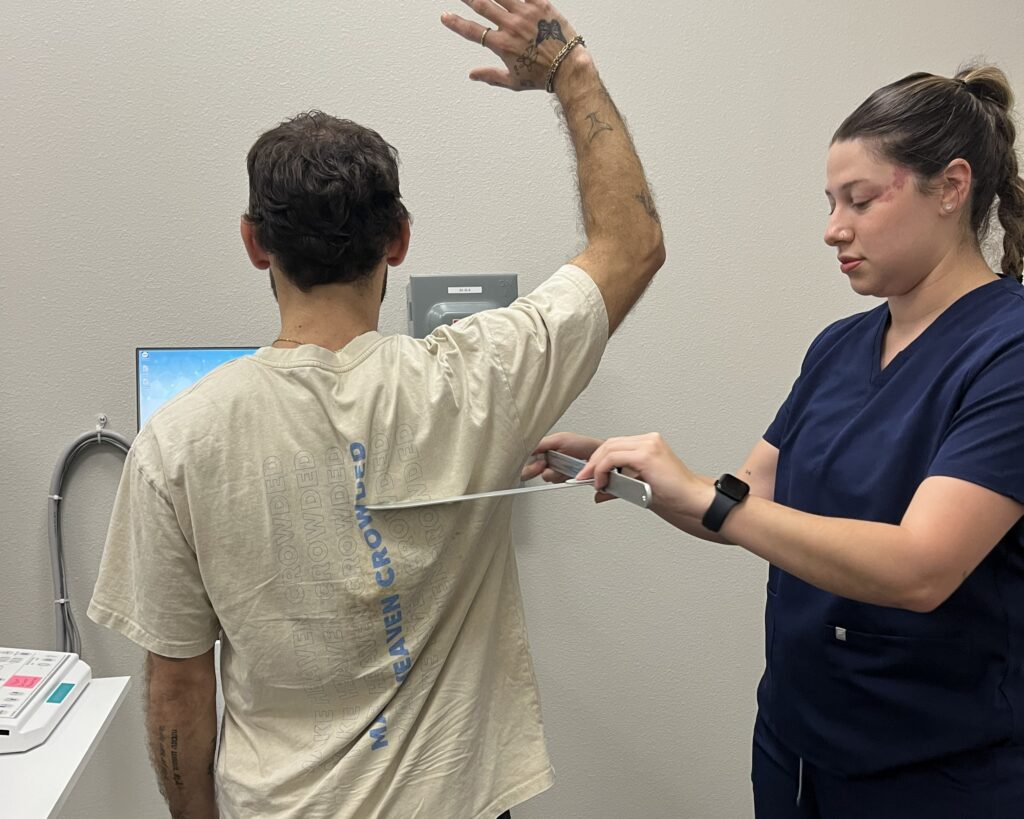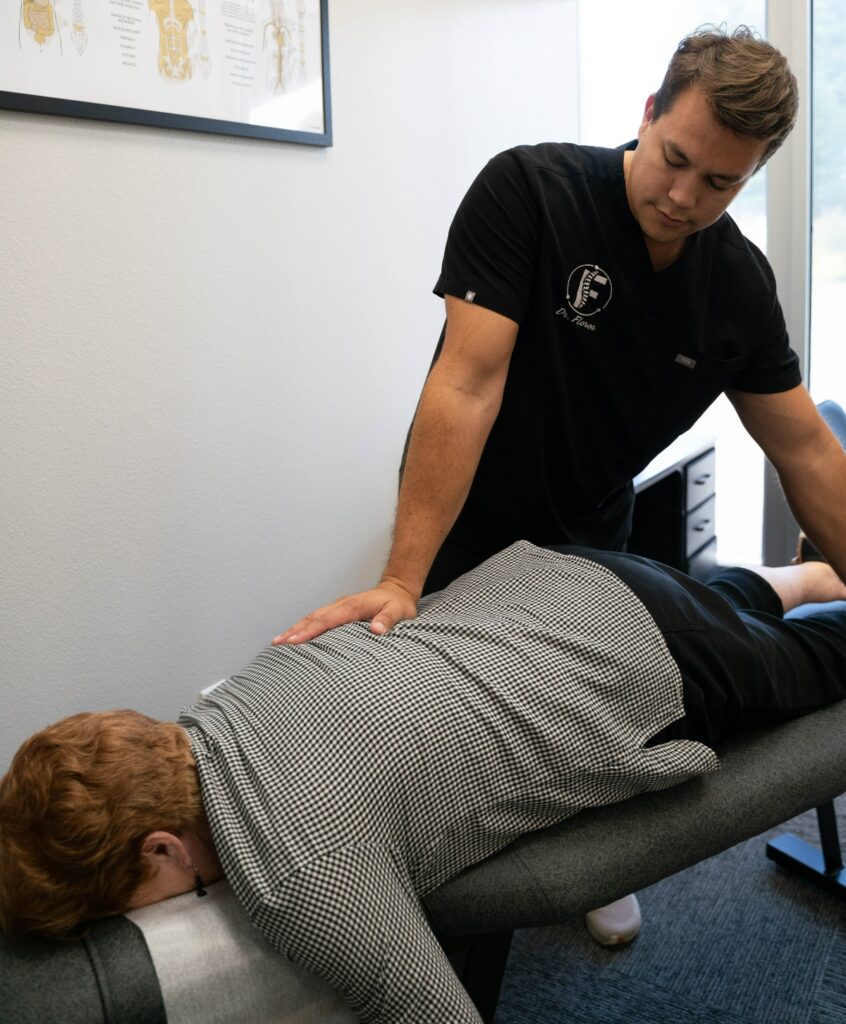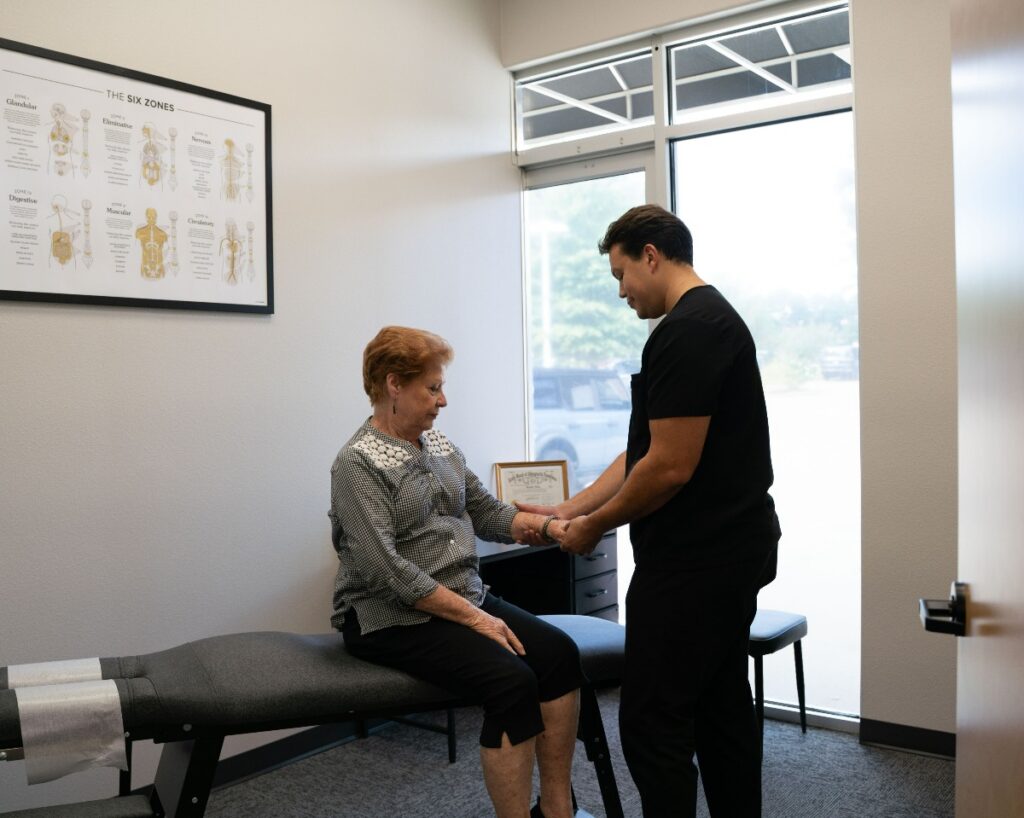

You might be surprised to learn just how much poor posture can impact your overall health and well-being. It can lead to chronic pain, fatigue, and even strain your relationships. That’s why visiting a chiropractor is such an important step. We provide a professional assessment to identify any misalignments or weaknesses in your spine. From there, we can create a personalized plan that includes tailored exercises to help you start your journey toward better posture.
But how can you maintain those improvements over time? Here are some helpful techniques and tips to keep your posture in check:
- Be Mindful of Your Posture: Throughout the day, take a moment to check in with your posture. Whether sitting at a desk or standing in line, keep your shoulders relaxed and your spine straight.
- Strengthening Exercises: Incorporate exercises that strengthen your core and back muscles. Simple movements like planks, bridges, and back extensions can make a big difference.
- Stretch Regularly: Stretching helps relieve tension in tight muscles. Focus on areas like your neck, shoulders, and back with gentle stretches to improve flexibility and posture.
- Set Up an Ergonomic Workspace: If you spend long hours at a desk, make sure your workspace is set up to support good posture. Your chair should provide support, and your computer screen should be at eye level.
- Take Breaks: Remember to stand up and move around every hour. Simple walks or stretches can help reset your posture and reduce fatigue.
By making these small adjustments and prioritizing your spinal health through chiropractic care, you can effectively improve your posture and overall well-being. Embrace a healthier lifestyle and enjoy the benefits that come with it!
Understanding the Impact of Poor Posture on Health
Poor posture can silently wreak havoc on your health, leading to a range of issues that go beyond just discomfort. When you slouch or hunch over, you strain your muscles and joints, which can cause tension and pain that may become chronic over time. Common complaints include headaches from muscle tightness and lower back pain from prolonged sitting.
What’s more, poor posture can impact your breathing, reducing lung capacity and making it harder to take deep breaths.
But did you know that your posture also plays a role in your mood and energy levels? When you’re slumped over, you might feel more fatigued or less confident. This can affect not only your daily activities but also your relationships and professional life.
As a chiropractor, I want to emphasize the importance of maintaining good posture for your overall well-being. Simple adjustments to how you sit, stand, and move can make a significant difference. Here are a few tips to help you improve your posture:
- Be Mindful of Your Sitting Position: Sit all the way back in your chair with your feet flat on the floor and your knees at a right angle. Use a cushion or a lumbar roll to support your lower back.
- Stand Tall: Keep your shoulders back and your head aligned with your spine. Imagine a string pulling you up from the top of your head.
- Take Regular Breaks: If you sit for long periods, set a timer to remind yourself to stand up and stretch every 30 minutes. This can help relieve tension and reset your posture.
- Strengthen Your Core: Engage in exercises that strengthen your abdominal and back muscles. A strong core supports your spine and helps maintain good posture.
- Visit Your Chiropractor: Regular chiropractic adjustments can help align your spine, reduce pain, and improve your posture. A chiropractor can provide personalized advice and techniques to help you maintain proper alignment.
By understanding the negative effects of poor posture and taking proactive steps to improve it, you can enhance your physical health and overall well-being.
Benefits of Professional Assessment and Guidance
When you turn to chiropractic care for professional assessment and guidance on your posture, you’re making a vital choice for your health and well-being. A skilled chiropractor can pinpoint specific misalignments and weaknesses that may be causing discomfort or pain. With their expert insights, you’ll develop a better understanding of how your daily habits impact your posture.
Chiropractic care goes beyond just alleviating symptoms; it addresses the root causes of your posture issues. By receiving personalized advice and adjustments, you’ll benefit from a tailored approach that considers your unique body and lifestyle. This level of attention ensures that you’re not just managing pain but also fostering long-term wellness.
Additionally, having a chiropractor guide you creates a sense of accountability. When you have someone supporting you on your journey, you’re more likely to stay committed to making the necessary changes in your posture and overall health.
Investing in chiropractic care can lead to significant improvements in your posture, enhancing your quality of life and reducing the risk of future health complications. Remember, good posture isn’t just about standing tall; it’s about ensuring your spine is aligned, which contributes to your overall health.
Here are a few general tips to maintain good posture in your daily life:
- Be Mindful of Your Sitting Position: Keep your feet flat on the ground and your back straight when sitting at a desk.
- Take Breaks: Stand up and stretch every 30 minutes to avoid stiffness.
- Strengthen Your Core: Incorporate exercises that strengthen your abdominal and back muscles, as a strong core supports proper posture.
- Use Proper Footwear: Supportive shoes can help maintain alignment and reduce strain on your spine.
Personalized Exercise Plans for Postural Improvement
To achieve better posture, personalized exercise plans can be incredibly effective in addressing your unique needs and imbalances. As a local chiropractor, I emphasize the importance of identifying areas of concern, whether it’s strengthening weak muscles or gently stretching tight ones. This is crucial for maintaining spinal health and overall wellness.
Your personalized plan may include exercises that enhance core stability, promote flexibility, and strengthen essential muscle groups. This tailored approach ensures you’re not just performing generic exercises but engaging in movements that truly support your spine and body.
Incorporating exercises like planks and bridges, along with targeted stretches, can significantly improve your posture over time. As you work through these exercises, you’ll also learn proper techniques to avoid strain and injury, making your routine safer and more effective—key components of chiropractic care.
Regular assessments, often part of your chiropractic visits, will help you track your progress and adjust your exercise plan as needed. This promotes continuous improvement in your posture and overall health.
With commitment to your personalized exercise plan and regular chiropractic adjustments, you’ll notice a positive change in how you stand, sit, and move throughout your daily life.
Techniques and Tools to Support Better Posture
While personalized exercise plans are crucial for improving posture, incorporating specific techniques and tools can significantly enhance your efforts. One foundational technique is practicing mindful sitting and standing. Pay attention to your body alignment—keeping your shoulders back and your spine straight can make a world of difference.
Ergonomic furniture, such as chairs with lumbar support, can also transform your daily routine. If you’re spending long hours at a desk, consider using a standing desk or a posture-correcting device, which can gently remind you to maintain proper alignment.
In addition to these adjustments, tools like foam rollers and resistance bands can assist in stretching and strengthening your muscles, promoting overall balance and stability. These tools can help relieve tension and improve your spinal health without the need for invasive procedures or medications.
Don’t overlook the benefits of posture-correcting apps, which provide real-time feedback on your alignment. This can help you make adjustments throughout the day, ensuring that you stay mindful of your posture.
By combining these techniques and tools with regular chiropractic care, you can create a solid foundation for achieving and maintaining better posture. Chiropractic adjustments not only alleviate pain but also work to improve your overall health and wellness.
Long-Term Advantages of Maintaining Good Posture
Maintaining good posture is more than just a way to look confident; it’s a vital component of your overall health and wellness. As a chiropractor, I can’t stress enough how important proper alignment is for your body. When you stand tall and align your spine correctly, you reduce the strain on your muscles and joints, which can help prevent chronic pain. This alignment also plays a crucial role in enhancing your respiratory function, allowing for deeper, more efficient breaths that nourish your body.
In addition to respiratory benefits, good posture can significantly improve your digestion. When your body is aligned correctly, your organs have the space they need to function optimally, making it easier for you to feel your best. Furthermore, proper posture supports better blood flow and oxygen delivery to your brain, helping you concentrate more effectively throughout the day.
Long-term, being mindful of your posture can lead to increased energy levels and overall wellness. Not only will you feel more comfortable in your own skin, but you’ll also project an air of confidence in both social and professional situations.
To help you maintain good posture, here are some simple tips:
- Mind Your Alignment: Whether sitting or standing, keep your ears, shoulders, and hips in a straight line.
- Take Breaks: If you sit for long periods, stand up and stretch every 30 minutes to keep your muscles engaged.
- Strengthen Core Muscles: Incorporate exercises that strengthen your core, as a strong core supports good posture.
- Use Ergonomic Furniture: Consider using chairs and desks that promote a healthy sitting posture, especially if you work at a desk.
Remember, chiropractic care can be a powerful ally in achieving and maintaining good posture. Regular adjustments can help keep your spine aligned, alleviate pain, and support your body’s natural healing processes.
Conclusion
Incorporating chiropractic care into your daily routine can significantly enhance your posture and overall well-being. Poor posture can lead to various health issues, but by partnering with a chiropractor, you can create a tailored plan that addresses your specific needs. Through gentle adjustments and holistic techniques, you’ll not only alleviate discomfort but also experience long-lasting benefits like increased energy and improved confidence.
Here are some simple tips you can start using today to support better posture:
- Be Mindful of Your Sitting Position: Ensure your back is straight, shoulders relaxed, and feet flat on the ground. Consider using a chair that supports your lower back.
- Take Breaks to Move: If you find yourself sitting for long periods, set a timer to remind yourself to stand up, stretch, and walk around every 30 minutes.
- Strengthen Your Core: Engaging in exercises that strengthen your core muscles can provide better support for your spine, leading to improved posture.
- Use Supportive Footwear: Wearing shoes that offer proper support can help maintain alignment from the ground up.
- Engage in Regular Chiropractic Visits: Regular adjustments can help keep your spine aligned and your body functioning optimally.
Don’t hesitate—take the first step toward a healthier, more aligned you by visiting a chiropractor today! Embrace the natural healing power of chiropractic care and discover a path to pain relief and wellness that doesn’t rely on surgeries or medications. Your journey to better posture starts here!