
Chiropractic Care for Vertigo in Flint, TX
Feeling like the room is spinning can be unsettling. At Flores Chiropractic here in Flint, TX, we see many neighbors dealing with vertigo and the day-to-day limits it creates—hesitating to roll over in bed, avoiding looking up, or feeling unsteady in the grocery aisle. The good news: with the right evaluation and a focused plan, many people find meaningful relief. In this article, I’ll explain what vertigo is, why the neck and nervous system matter, how chiropractic care fits in, and practical lifestyle changes you can start using today.
What is vertigo? Vertigo is the sensation that you or your surroundings are spinning, even when you’re still. It’s often triggered by certain head positions or movements. Vertigo is a symptom—not a disease—and the right plan starts with finding the cause.
Understanding Vertigo and Dizziness
Vertigo is a form of dizziness where you feel movement or spinning. Some people also feel nausea, lightheadedness, or a sense of being off balance. Vertigo is commonly brought on by changes in head position—like rolling over in bed, tipping your head back to look up, or bending down to tie a shoe.
Your inner ear, eyes, and the joints and muscles of your neck constantly send balance information to your brain. When those signals don’t match, the brain can interpret it as spinning or tilt. That mismatch is at the heart of many vertigo episodes.
Common Causes in Everyday Life
One of the most common causes of brief, position-triggered vertigo is benign paroxysmal positional vertigo (BPPV). Small calcium crystals in the inner ear can shift into areas that sense motion; when you change positions, they stimulate the inner ear in a way that makes you feel like you’re moving even when you’re still. Rolling to one side in bed, looking up into a cabinet, or getting a shampoo at the salon can be classic triggers for BPPV. Authoritative resources like the National Institute on Deafness and Other Communication Disorders describe BPPV and its typical symptoms clearly and in plain language (see NIDCD: BPPV).
Other contributors include irritation of the inner ear (vestibular neuritis), migraine-related dizziness, and what we call cervicogenic dizziness—imbalance sensations related to dysfunction of the upper neck joints and muscles. Medications, dehydration, low blood sugar, and fatigue can also make dizziness worse.
Because vertigo has multiple possible drivers, a detailed history and exam matter. With the right diagnosis, the plan becomes much simpler.
Why Vertigo and the Spine Are Connected
Your neck is packed with position sensors—tiny nerve endings in joints and muscles that tell the brain where your head is in space. These signals integrate with your inner ear and eyesight to stabilize your gaze and posture. If your neck is stiff, irritated, or moving poorly, those signals can become less reliable, and your brain has to work harder to make sense of motion.
That’s why some people notice that neck tightness, old whiplash injuries, or prolonged desk posture seem to make their vertigo or imbalance worse. From a chiropractor’s perspective, restoring clean, comfortable motion in the cervical spine can help the body recalibrate those signals. It doesn’t “cure” every type of vertigo, but it can be a key part of relief—especially when vertigo is position-related or tied to neck discomfort.
How Chiropractic Care at Flores Chiropractic Helps
At Flores Chiropractic, we position chiropractic as frontline, conservative care for movement and balance health. Our approach is to identify the primary driver of your symptoms and address it directly. Care is gentle, goal-oriented, and tailored to your daily life here in Flint.
What to Expect
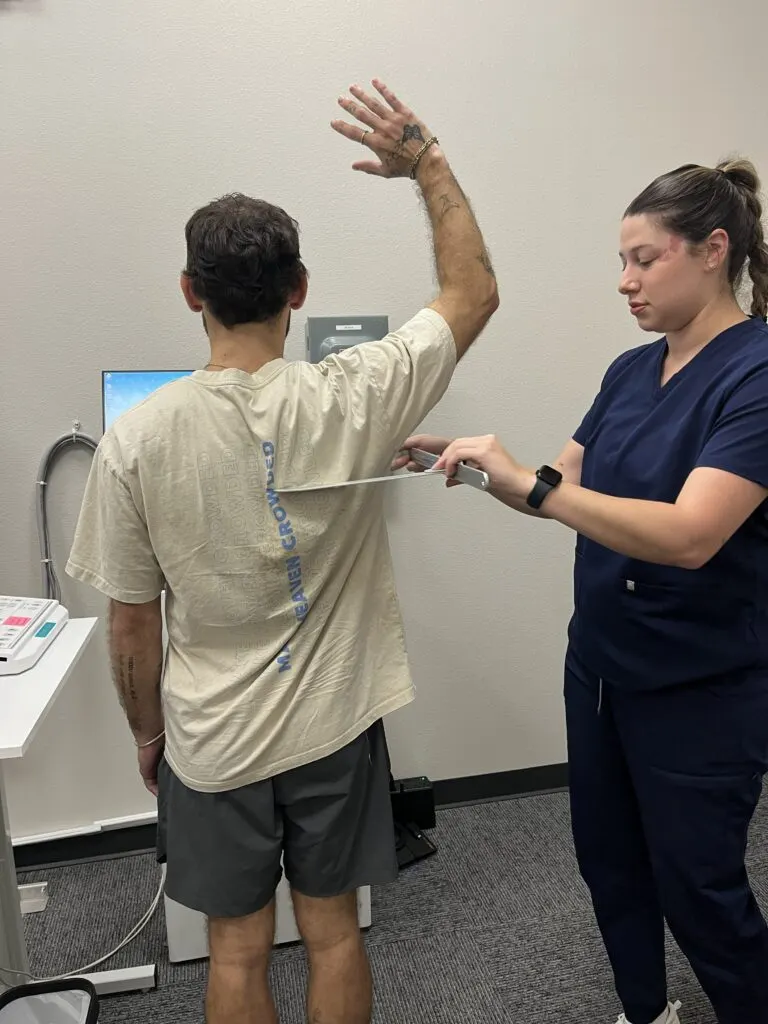
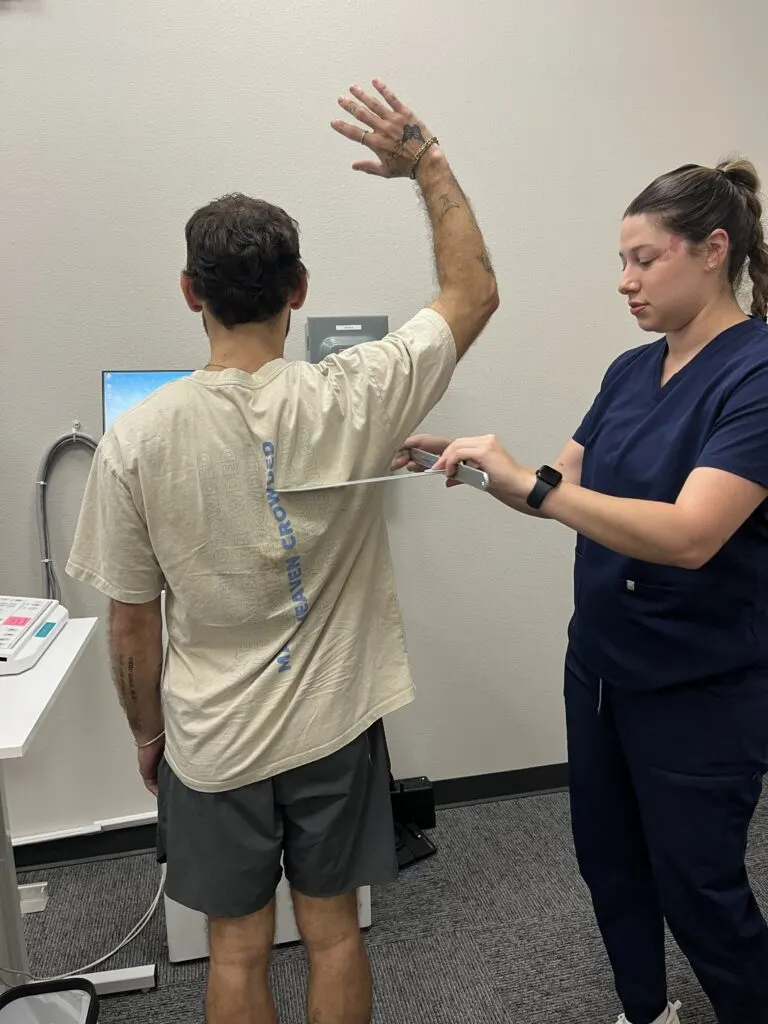
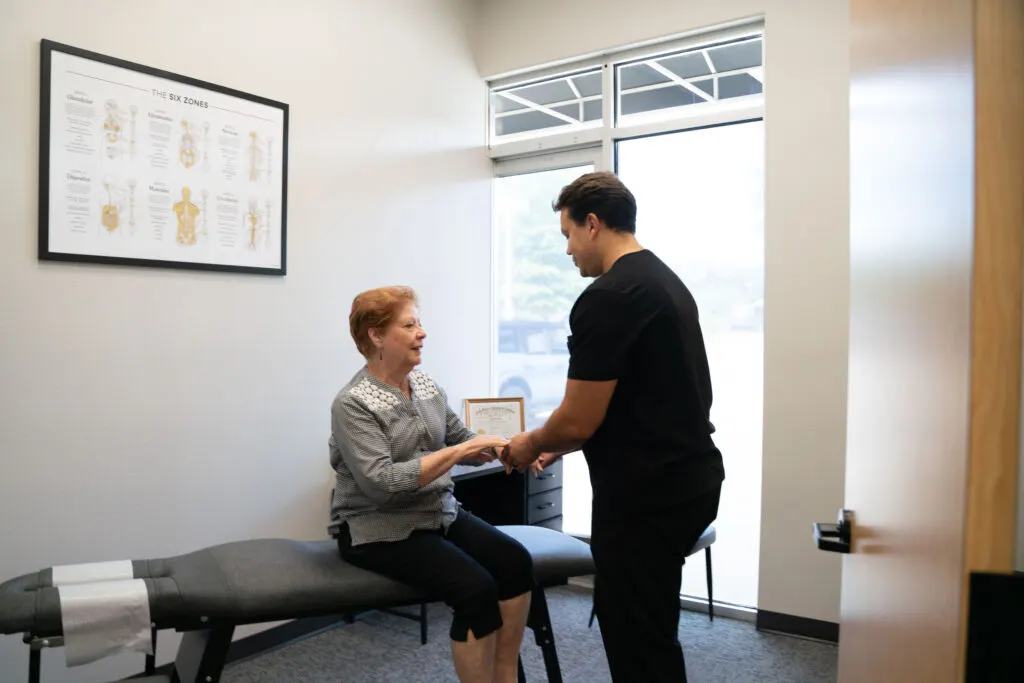
- Targeted evaluation. We talk through your history—what brings on spells, how long they last, any recent illnesses or injuries, and your work and sleep setup. We may perform positional tests used for BPPV, simple eye and balance assessments, and a focused cervical spine exam. If we spot red flags, we’ll refer appropriately.
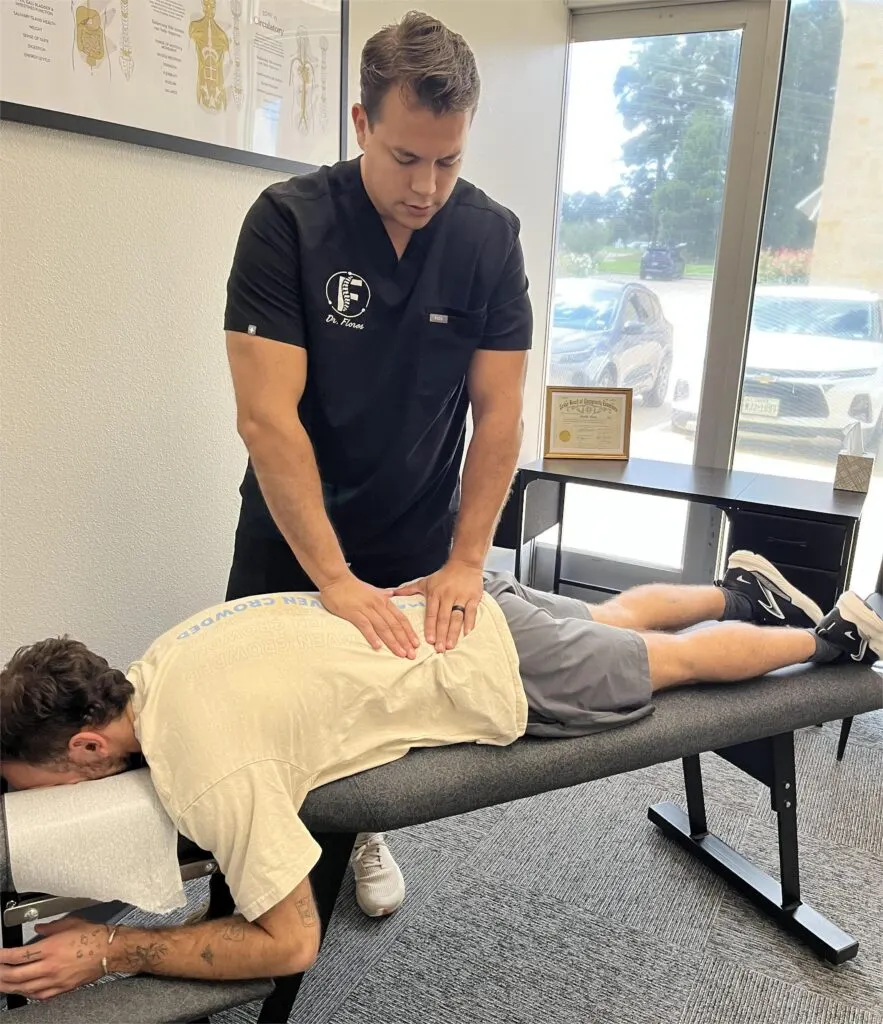
- Precise chiropractic adjustments. When neck joints are stiff or irritated, gentle adjustments restore motion, reduce muscle guarding, and improve the quality of signals sent to your balance centers. For many patients with cervicogenic dizziness, this is a meaningful step toward steadiness.
- Canalith repositioning maneuvers for BPPV. When the exam suggests BPPV, we use specific head-and-body positioning techniques—such as the Epley maneuver—to guide those crystals out of the motion-sensing canals. Research indicates these maneuvers help many people with posterior canal BPPV, often quickly. A Cochrane review has supported the effectiveness of the Epley maneuver in appropriate cases.
- Vestibular and gaze-stability exercises. Simple, progressive drills retrain your eyes, inner ear, and neck to work together. These are done in-office and at home to build confidence and reduce sensitivity to motion.
- Lifestyle coaching and ergonomics. We personalize advice for your sleeping setup, desk posture, hydration, and movement routines, so your day supports your recovery—not the other way around.
Chiropractic isn’t an “alternative” add-on in this process—it’s the foundation of how we assess motion, correct it, and help your nervous system regain balance. When outside testing or co-management is needed, we make that call from a position of clarity.
Lifestyle Changes That Can Ease Vertigo
Daily habits can either irritate your system or help it recalibrate. Here are practical, safe steps we commonly recommend to patients in Flint:
- Move your head with intention. During a flare, move a bit slower between positions—especially when rolling in bed or looking up. Exhale as you change positions. Pick a visual target when you turn your head to reduce the “spin” sensation.
- Sleep with a supportive setup. Aim for a neutral neck. For side-sleepers, your pillow should fill the space between your ear and shoulder without tilting your head. Back-sleepers often do well with a thinner pillow. Avoid stomach sleeping; it forces full-neck rotation for hours.
- Hydrate and fuel consistently. Dehydration and low blood sugar can worsen dizziness. Keep water nearby, especially in our East Texas heat. Eat balanced meals and snacks with protein and fiber.
- Be mindful with caffeine, alcohol, and excess sodium. These can influence fluid balance and sensitivity in the inner ear for some people. Moderation helps. If you suspect a link, track your intake and symptoms for a week.
- Build vestibular-friendly activity. Gentle walking, light stationary cycling, and short outdoor strolls on even ground build confidence. Start brief, daily, and progress steadily rather than avoiding movement altogether.
- Optimize your workstation. Keep screens at eye level, bring text closer rather than craning your head, and take neck movement breaks every 30–60 minutes. Avoid long periods of head-forward posture.
- Make your home fall-safe. Good lighting, clear pathways, non-slip mats in the bathroom, and sturdy handrails reduce worry and protect you while you recover.
- Manage stress and breathing. A few slow, diaphragmatic breaths before turning in bed, standing, or looking up can calm the nervous system and reduce symptom intensity.
- Use smart visual strategies. Avoid flickering screens and fast-moving visual patterns during a flare. Choose steady lighting and reduce glare where possible.
- Know your triggers—and dose them. If certain motions set you off, we’ll help you reintroduce them in a controlled way instead of avoiding them completely. Gradual exposure helps your brain recalibrate.
When to See a Chiropractor in Flint, TX
Consider scheduling a chiropractic evaluation at Flores Chiropractic if your vertigo:
- Is triggered by rolling in bed, looking up, or bending over.
- Comes with neck stiffness, headaches, or a history of whiplash or desk-related neck strain.
- Lasts longer than a few days, keeps returning, or limits daily tasks like driving, reading, or walking in stores.
- Started after a minor head or neck injury—even if symptoms seemed mild at first.
Chiropractic is a strong first step because we evaluate movement, perform proven positional tests for BPPV when appropriate, and address cervical mechanics that often contribute to imbalance. If we determine you need further medical testing, we’ll guide that process.
Urgent Symptoms: When Vertigo Needs Medical Care
While most vertigo is not dangerous, certain symptoms need prompt medical attention. Seek urgent or emergency care if dizziness is accompanied by any of the following:
- facial drooping
- arm or leg weakness
- trouble speaking
- new double vision
- severe or sudden headache
- fainting
- chest pain
- new difficulty walking or coordinating movements
- sudden hearing loss in one ear
- a recent significant head injury
- persistent vomiting that prevents hydration
If you’re unsure, err on the side of caution and get checked.
Myths and Facts About Vertigo and Chiropractic
| Myth | Fact |
|---|---|
| Vertigo is just a fear of heights. | Vertigo is a false sense of spinning or motion. It often relates to inner ear and neck signals, not heights. |
| You have to live with vertigo. | Many causes, especially BPPV, respond well to targeted care like canalith repositioning and cervical-focused chiropractic. |
| Chiropractors only treat back pain. | Chiropractors evaluate the spine, nervous system, and movement patterns that influence balance, head position, and gaze stability. |
| If you have vertigo, never move your head. | Short-term care involves mindful movement, but long-term improvement often requires gradual, guided head and eye motion. |
| Medication is the only option. | Conservative care—including chiropractic adjustments, BPPV maneuvers, and vestibular exercises—can be highly effective for many. |
Final Thoughts for Our Flint Community
Vertigo can make everyday life feel unpredictable, but you’re not stuck with it. Here in Flint, our team at Flores Chiropractic takes a clear, hands-on approach: pinpoint the driver, correct the mechanics, and guide you with practical steps that fit your life. If dizziness is holding you back from morning walks by Lake Tyler or errands around East Texas, we’re ready to help you move with confidence again.
FAQs
What usually triggers BPPV?
Common triggers include rolling over in bed, tipping your head back to look up, or bending forward. These movements can shift tiny inner ear crystals, leading to a brief spinning sensation.
How long do vertigo episodes last?
It depends on the cause. BPPV episodes often last seconds to a minute with certain positions. Other types can last hours or longer. A focused exam narrows this down.
Can chiropractic care help vertigo safely?
For many patients—especially those with BPPV or cervicogenic dizziness—chiropractic care that includes cervical adjustments, canalith repositioning, and vestibular exercises can be both appropriate and effective. Care is individualized and safety-screened first.
Do you perform the Epley maneuver at Flores Chiropractic?
When our exam indicates posterior canal BPPV, we use established canalith repositioning maneuvers such as the Epley, along with guidance for home positioning and follow-up.
Is it normal to feel a little off after an adjustment or BPPV maneuver?
Temporary lightheadedness or fatigue can occur as your system recalibrates. It usually settles quickly. We’ll explain what to expect and how to manage it.
What pillow is best if I get vertigo at night?
Choose a pillow that keeps your neck neutral. Side-sleepers should fill the space between ear and shoulder without tilting the head; back-sleepers often do better with a thinner pillow.
References
- National Institute on Deafness and Other Communication Disorders (NIDCD). Benign Paroxysmal Positional Vertigo (BPPV)
- Cochrane Library. Epley manoeuvre for posterior canal BPPV
TL;DR
- Vertigo is a false sense of spinning often tied to inner ear crystals (BPPV) or neck-related signal mismatch.
- Chiropractic care is a frontline, conservative solution—combining precise adjustments, BPPV maneuvers, and vestibular exercises.
- Daily habits matter: supportive sleep, steady hydration, mindful head movements, and ergonomic posture help calm symptoms.
- See a chiropractor if vertigo is position-triggered, recurs, or comes with neck tension; seek urgent care for stroke-like symptoms or severe red flags.
- With a focused plan at Flores Chiropractic in Flint, TX, many patients regain steadiness and confidence in daily life.