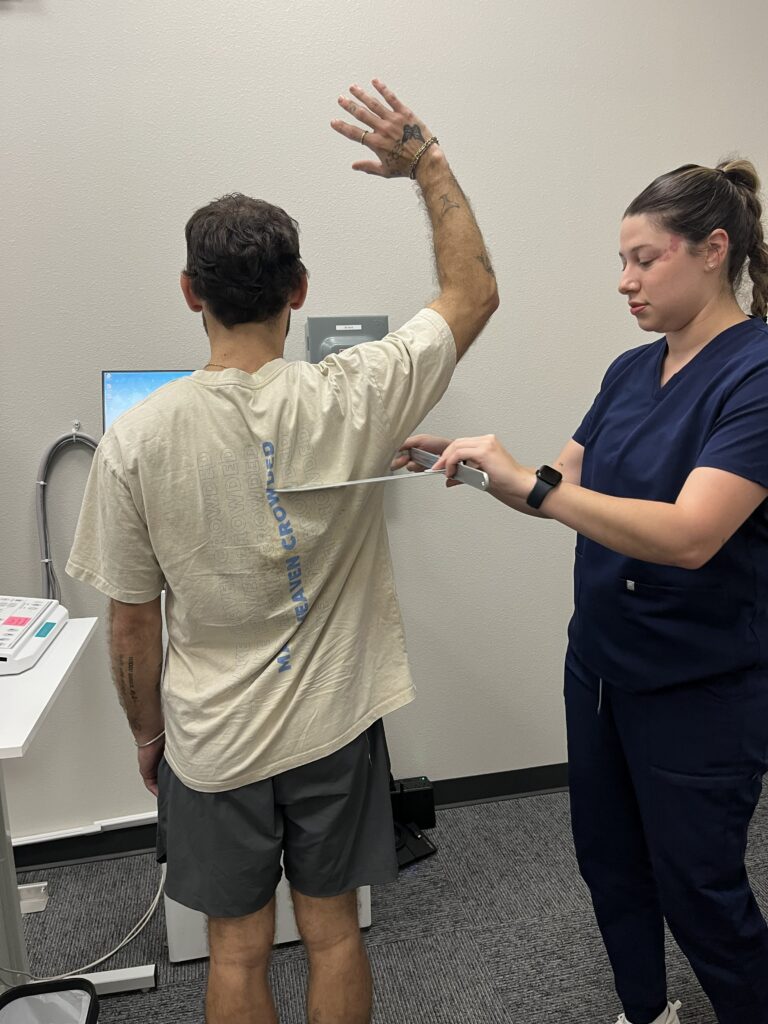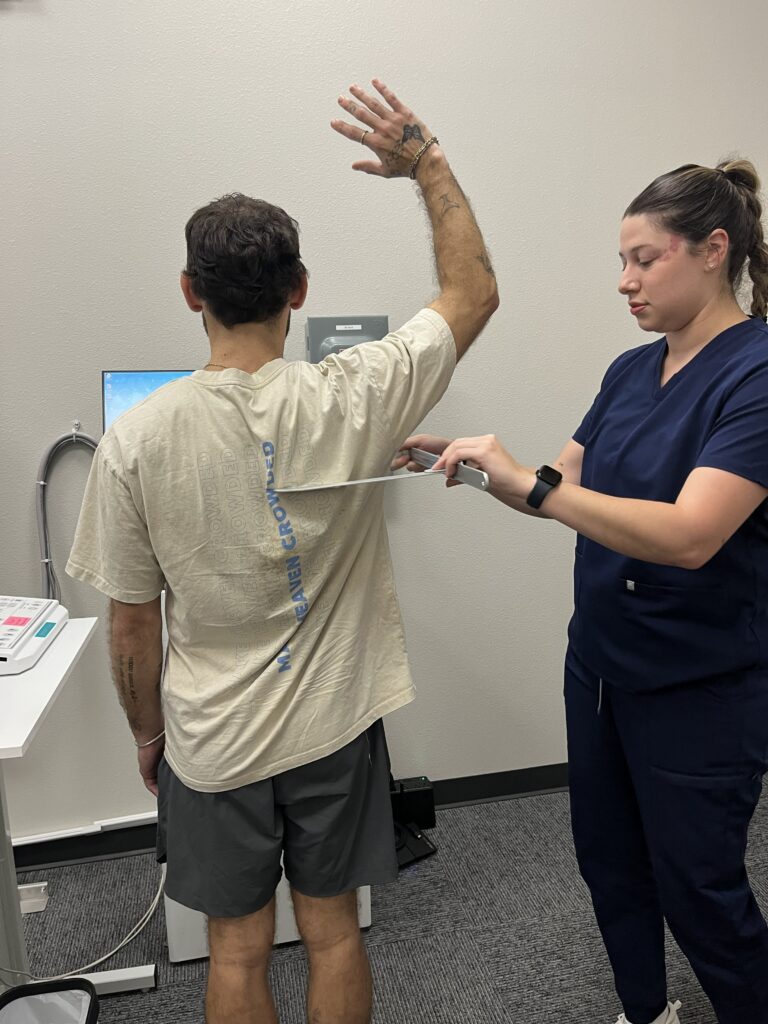

Living pain-free is more achievable than you might think, especially when you consider the incredible benefits of chiropractic care. By exploring holistic approaches to headache relief, you can discover effective methods to manage your pain without relying on medications. Understanding the different types of headaches and their triggers is essential, and chiropractic care plays a vital role in addressing the underlying issues that may contribute to your discomfort.
As a local chiropractor, I encourage you to consider how simple lifestyle changes, combined with regular chiropractic adjustments, can promote relief and enhance your overall well-being. Chiropractic care focuses on aligning the spine, which can alleviate tension and stress that often lead to headaches.
Here are some strategies to help you on your journey to pain-free living:
- Stay Hydrated: Dehydration can often trigger headaches, so make it a habit to drink plenty of water throughout the day.
- Practice Mindfulness: Stress is a significant contributor to headaches. Incorporating mindfulness techniques, such as deep breathing or meditation, can help reduce stress levels.
- Regular Chiropractic Visits: Schedule regular appointments with your chiropractor. Adjustments can help correct misalignments in your spine that may be contributing to headache pain.
- Posture Awareness: Be mindful of your posture, especially if you spend long hours at a desk. Proper ergonomics can reduce strain on your neck and back, which in turn can help prevent headaches.
- Stretching and Movement: Incorporate gentle stretches and movement into your daily routine. This can help relieve tension and improve circulation, which may decrease headache frequency.
- Sleep Hygiene: Ensure you’re getting enough restorative sleep. A consistent sleep schedule and a comfortable sleep environment can make a significant difference in how you feel.
By implementing these strategies and prioritizing chiropractic care, you can take significant steps toward a healthier, pain-free life. Remember, you don’t have to rely on pills or invasive procedures to find relief. Embrace the natural healing power of chiropractic care and start your journey toward optimal health today!
Key Takeaways
- Consider incorporating chiropractic care into your wellness routine to address spinal misalignments, which can play a significant role in headache frequency and intensity. By aligning your spine, we can help your body function optimally and reduce headaches naturally.
- Staying well-hydrated is essential in preventing headaches. Dehydration is a common trigger, but it’s easy to manage. Aim to drink plenty of water throughout the day to keep your body hydrated and your headaches at bay.
- Nutrition is key! Including anti-inflammatory foods in your diet, such as omega-3 fatty acids found in fish and nuts, along with leafy greens, can help reduce the likelihood of headaches. These foods support overall health and can complement your chiropractic care.
- Stress can lead to tension-related headaches, so it’s important to practice relaxation techniques. Simple methods like deep breathing exercises and mindfulness can help you manage stress effectively. This not only aids in headache relief but also enhances the benefits of chiropractic adjustments.
- Regular physical activity and quality sleep are vital components of overall wellness and headache prevention. Engaging in exercise helps maintain a healthy spine and reduces tension, while restorative sleep allows your body to heal and recharge. Prioritizing these habits can enhance the effectiveness of your chiropractic care.
By focusing on these natural approaches and prioritizing chiropractic care, you can achieve pain relief and promote a healthier lifestyle. Remember, taking care of your spine is a crucial step towards overall wellness!
Understanding Headaches: Types and Triggers
When you experience a headache, understanding its type and triggers is key to finding effective relief, and this is where chiropractic care can play a vital role.
Tension headaches are the most common variety and are often linked to stress, poor posture, or eye strain. These headaches can lead to tightness in your neck and shoulders, which is frequently a result of spinal misalignments. Regular chiropractic adjustments can help correct these misalignments, relieving tension and promoting better posture.
Migraines can be more debilitating and may come with symptoms like nausea, sensitivity to light, and throbbing pain. They can be triggered by certain foods, hormonal changes, or lack of sleep. Chiropractic care can help manage these symptoms by addressing spinal health and promoting overall wellness, which may reduce the frequency and intensity of migraines.
Cluster headaches, while less common, can cause severe pain around one eye and usually follow a predictable pattern. Identifying your specific headache type and its triggers is essential for effective management.
Keeping a headache diary can be a helpful tool in recognizing patterns and potential triggers. By documenting when your headaches occur and what might’ve influenced them, you can work with your chiropractor to develop a personalized care plan.
Incorporating stretches and exercises recommended by your chiropractor can also help relieve tension and improve your spinal health, leading to fewer headaches.
The Power of Hydration: Staying Properly Hydrated
Headaches can often be a sign that your body is in need of some attention, and one of the simplest yet most effective ways to support your overall wellness is by ensuring you’re properly hydrated. Dehydration is a common trigger for headaches, and maintaining adequate fluid intake can help alleviate discomfort. As a chiropractor, I believe that taking care of your body holistically, including hydration, is key to achieving optimal health and wellness.
Here’s a straightforward guide to help you stay on track with your hydration throughout the day:
| Time of Day | Recommended Intake | Tips for Hydration |
|---|---|---|
| Morning | 1-2 glasses | Start your day with a refreshing glass of water to kickstart your body. |
| Afternoon | 2-3 glasses | Keep a water bottle with you; it’s a great reminder to sip throughout the day. |
| Evening | 1-2 glasses | Enjoying herbal tea can also contribute to your hydration and promote relaxation. |
| Before Bed | 1 glass | Drink a small amount to stay hydrated, but avoid too much to prevent sleep interruptions. |
Remember, staying hydrated supports not only your overall health but also your spinal health. Proper hydration is essential for maintaining the health of your spinal discs and joints. As you focus on hydration, don’t forget to incorporate regular chiropractic adjustments into your wellness routine. They can help relieve tension, improve your posture, and enhance your body’s ability to function at its best.
Nutrition and Headache Prevention: Eating for Relief
When it comes to preventing headaches, what you eat plays a significant role in your overall wellness, and as a chiropractor, I can’t stress enough the importance of a holistic approach to health. Staying hydrated and incorporating anti-inflammatory foods into your diet can greatly influence how you feel and function daily.
Let’s explore how these nutritional choices, combined with chiropractic care, can help you find relief from headaches.
First and foremost, staying well-hydrated is crucial. Dehydration is a common trigger for headaches. Aim to drink plenty of water throughout the day. If plain water isn’t your favorite, try infusing it with slices of fruits or herbs to make it more enjoyable.
Next, consider adding anti-inflammatory foods to your meals. Foods rich in omega-3 fatty acids—like fatty fish, walnuts, and flaxseeds—can help reduce inflammation in the body, which is often linked to headache pain. Leafy greens, berries, and nuts are also excellent choices. These foods not only support your body in fighting inflammation but can also contribute to overall spinal health.
In addition to dietary changes, regular chiropractic adjustments can help relieve tension in your neck and spine, which can be a significant factor in headache occurrences. By addressing any misalignments and ensuring your spine is in optimal condition, chiropractic care works in tandem with your dietary choices to promote better health and reduce headache frequency.
Here are some simple tips to help you on your journey to headache relief:
- Stay Hydrated: Keep a water bottle with you and set reminders to drink throughout the day.
- Incorporate Anti-Inflammatory Foods: Choose a variety of colorful fruits and vegetables, healthy fats, and whole grains.
- Practice Good Posture: Be mindful of your posture while sitting, especially if you work at a desk. Proper alignment can reduce tension in your neck and shoulders.
- Schedule Regular Chiropractic Visits: Regular adjustments can help maintain spinal health and address any underlying issues contributing to headaches.
By making these dietary choices and incorporating chiropractic care into your routine, you’re taking proactive steps toward achieving optimal health and reducing headaches naturally.
Hydration and Headache Prevention
Staying properly hydrated is crucial for overall wellness and can be particularly effective in preventing headaches, which many of my patients experience. Even mild dehydration can lead to discomfort, as insufficient water intake can cause your brain to temporarily shrink from fluid loss, resulting in pain.
To help keep headaches at bay, it’s generally recommended to drink at least eight 8-ounce glasses of water each day. However, you may need to adjust this amount based on your activity level and the climate you live in.
Listening to your body is essential. If you find yourself feeling thirsty or notice that your urine is dark yellow, these are signs that it’s time to hydrate. In addition to drinking water, consider incorporating hydrating foods like cucumbers, watermelon, and oranges into your diet for extra moisture.
Remember, creating a consistent habit of drinking water can significantly reduce the occurrence of headaches and enhance your overall health. Prioritizing hydration not only aids in headache prevention but also supports your body’s natural healing processes.
As a chiropractor, I encourage you to explore the benefits of regular chiropractic care for maintaining optimal spinal health and overall wellness. By aligning your spine and nervous system, you can enhance your body’s ability to function effectively, which in turn can help reduce pain and improve your quality of life.
Stay hydrated, stay aligned, and you’ll likely feel better both physically and mentally.
Anti-Inflammatory Foods Benefits
Proper hydration is essential for maintaining overall health and can play a key role in preventing headaches. However, nutrition is equally important. By incorporating anti-inflammatory foods into your diet, you can support your body in reducing the frequency and intensity of headaches. Inflammation is often a trigger for headaches, and by choosing the right foods, you can help combat this issue naturally.
Here are some simple and effective anti-inflammatory foods you might want to consider adding to your meals:
- Fatty fish: These are packed with omega-3 fatty acids, which are known to help decrease inflammation. Try including fish like salmon or mackerel in your diet a couple of times a week.
- Leafy greens: Vegetables like spinach and kale are loaded with antioxidants and essential vitamins. They not only help reduce inflammation but also contribute to your overall health. Aim to fill half your plate with these greens at meals.
- Berries: Fruits like blueberries and strawberries are high in antioxidants, which can help lower oxidative stress in your body. Enjoy them as a snack, in smoothies, or as a topping for your breakfast.
While these dietary changes can be beneficial, it’s essential to remember that chiropractic care is also a powerful tool for managing headache pain. Regular chiropractic adjustments can help align your spine, reduce tension in your muscles, and promote better overall wellness.
Combining a healthy diet with chiropractic care can lead to a more holistic approach to headache prevention and pain relief.
As you strive for a healthier lifestyle, consider these tips:
- Stay hydrated by drinking plenty of water throughout the day.
- Make small, gradual changes to your diet to incorporate more anti-inflammatory foods.
- Schedule regular visits with your chiropractor to maintain spinal health and promote natural healing.
Stress Management Techniques: Finding Your Calm
Stress can often lead to headaches, but as a chiropractor, I want to reassure you that there are effective ways to take charge of your well-being without relying on medications or invasive procedures. By focusing on natural healing techniques, you can alleviate tension and improve your overall health.
One of the best ways to manage stress is through deep breathing exercises. Taking a few moments each day to practice deep breathing can help calm your nervous system and reduce muscle tension, which is often a contributor to headaches. Simply inhale deeply through your nose, hold for a few seconds, and exhale slowly through your mouth. Repeating this several times can help you feel more centered.
Incorporating mindfulness meditation into your routine can also be beneficial. This practice encourages you to focus on the present moment, which can help clear your mind of stressors and promote relaxation. Just a few minutes of meditation can enhance your mental clarity and emotional balance.
Regular physical activity is another key component of stress management and spinal health. Engaging in activities like walking, yoga, or swimming not only helps release endorphins—your body’s natural pain relievers—but also supports your spine and overall posture, reducing the likelihood of tension headaches.
Additionally, consider scheduling regular chiropractic adjustments. Chiropractic care focuses on aligning your spine and improving your nervous system function, which can greatly contribute to stress reduction and pain relief. Your chiropractor can provide personalized advice on maintaining a healthy spine and lifestyle, ensuring you stay on track toward optimal health.
Remember, managing stress is an ongoing process. By incorporating these simple techniques into your daily life and prioritizing chiropractic care, you can pave the way toward a clearer mind and a pain-free life.
Take charge of your health today!
Deep Breathing Exercises
When you start to feel a headache coming on, deep breathing exercises can be a powerful tool to help you regain your calm and reduce tension in your body. By concentrating on your breath, you can redirect your focus away from the discomfort and encourage relaxation.
Here are some simple techniques you can try to ease your headache naturally:
- Inhale deeply through your nose for a count of four, allowing your abdomen to expand. This helps to bring oxygen into your body, which is essential for overall health.
- Hold your breath for a count of four, letting the air fill your lungs completely. This pause allows your body to absorb the oxygen and create a sense of stillness.
- Exhale slowly through your mouth for a count of six, consciously releasing any built-up tension you may be feeling. This slow release can help alleviate stress in your muscles.
Repeat this cycle several times, and you may find a noticeable reduction in your stress levels and headache intensity.
Incorporating deep breathing into your daily routine can empower you to manage headaches more effectively, complementing the benefits of regular chiropractic care.
Remember, chiropractic adjustments can help address the underlying causes of headaches, such as spinal misalignments and muscle tension. By embracing a holistic approach to your health, you can achieve optimal wellness and relief from pain without the need for medications or invasive procedures.
Make deep breathing a part of your self-care toolkit and consider regular visits to your chiropractor to support your journey to better health and natural healing.
Mindfulness Meditation Practices
As a local chiropractor, I want to share the incredible benefits of mindfulness meditation as a natural way to manage headaches and reduce stress. This practice complements chiropractic care perfectly, as it helps you achieve a more balanced state of wellness. By focusing your attention on the present moment, you can cultivate awareness and create a sense of calm that supports your overall health.
To get started, find a quiet space where you won’t be disturbed. Close your eyes and take a few deep breaths, allowing your thoughts to settle. As you meditate, pay attention to any sensations in your body, including areas of tension or pain. It’s important to acknowledge these feelings without judgment and gently redirect your focus back to your breath.
Incorporating mindfulness into your daily routine, even for just a few minutes, can enhance your ability to cope with stress. This, in turn, helps alleviate headache triggers and promotes overall well-being, making it a great addition to your chiropractic care plan.
Remember, addressing the root causes of pain through natural methods like chiropractic adjustments and mindfulness can lead to long-lasting relief.
To maximize the benefits of mindfulness meditation, try practicing it alongside your chiropractic care. The combination of both approaches can greatly improve your quality of life.
Additionally, always listen to your body and consult with your chiropractor if you have any concerns about your headaches or overall health. Together, we can work towards achieving your optimal well-being.
Physical Activity Benefits
Engaging in regular physical activity isn’t just about building a stronger body; it plays a vital role in managing stress and promoting overall wellness. As a chiropractor, I understand the importance of maintaining a healthy spine and body, and incorporating movement into your daily routine is a fantastic way to support this.
When you engage in physical activity, your body releases endorphins, which can lift your spirits and help clear your mind. Here are some key benefits of adding physical activity to your lifestyle:
- Reduces anxiety: Exercise can lower cortisol levels, which helps reduce tension and promotes a sense of relaxation. This is especially important for those dealing with stress, as a relaxed body can lead to a healthier spine.
- Improves sleep quality: Regular movement can enhance your sleep, making it easier to face daily challenges. Better sleep supports your body’s natural healing processes, which is crucial for maintaining a healthy spine and overall well-being.
- Enhances focus: Physical activity increases blood flow to your brain, leading to improved concentration and cognitive function. A clear mind can help you make better decisions about your health and wellness.
Incorporating physical activity into your routine doesn’t have to be complicated. Here are some simple tips to get started:
- Find activities you enjoy: Whether it’s walking, cycling, or dancing, choose exercises that make you feel good. This will help you stick with it!
- Set realistic goals: Start with small, achievable goals and gradually increase your activity level. This will help prevent injury and keep you motivated.
- Listen to your body: Pay attention to how your body feels during and after physical activity. If you notice any discomfort, it may be a sign to adjust your routine or consult with your chiropractor for guidance.
- Stay consistent: Aim for regular movement throughout the week. Consistency is key to reaping the benefits of physical activity and supporting your spinal health.
Remember, chiropractic care is an excellent complement to your physical activity routine. It helps ensure your spine is aligned and functioning optimally, which can enhance the benefits of exercise and promote natural healing.
Prioritizing your health through movement and chiropractic care can lead to a happier, healthier you.
The Role of Sleep: Prioritizing Restful Nights
The Role of Sleep: Prioritizing Restful Nights for Headache Relief
As a chiropractor, I want to emphasize the vital connection between sleep quality and headache management. When you prioritize restful nights, you provide your body the opportunity to recover and reset. Insufficient or poor-quality sleep can heighten tension and stress, which are common triggers for headaches.
To enhance your sleep quality, start by establishing a consistent bedtime routine. This means going to bed and waking up at the same time each day, even on weekends. It’s also important to limit screen time before bedtime, as the blue light emitted by devices can interfere with your natural sleep-wake cycle.
Creating a calming sleep environment is equally essential. Keep your bedroom dark, cool, and quiet to promote deeper sleep. You might also want to consider your sleep position; sleeping on your back or side can help alleviate neck strain, which may contribute to headaches.
If you find it difficult to drift off, try incorporating relaxation techniques into your routine. Simple practices like deep breathing exercises or meditation can help calm your mind and prepare your body for sleep.
By focusing on improving your sleep, you may notice a significant reduction in headache frequency. This is where chiropractic care can also play a crucial role. Regular chiropractic adjustments can help align your spine, reduce tension, and enhance overall wellness, making restful sleep even more attainable.
Natural Remedies: Essential Oils and Herbal Solutions
Natural remedies, particularly essential oils and herbal solutions, can be beneficial for headache relief, but it’s important to remember that chiropractic care is often the most effective approach to achieving long-term wellness.
As a chiropractor, I believe that spinal health plays a crucial role in overall well-being, including the management of headaches. By addressing any misalignments in the spine, we can help alleviate pain and prevent headaches from recurring.
While exploring natural remedies, here are a few options you might consider, alongside regular chiropractic adjustments:
- Peppermint Oil: Applying peppermint oil to your temples can provide a cooling sensation, which may enhance circulation and soothe headache pain. However, don’t forget that a well-aligned spine can significantly reduce tension headaches.
- Lavender Oil: Known for its calming properties, inhaling lavender can help reduce stress and tension. Remember, stress often stems from physical strain, which is where chiropractic care can help by promoting relaxation and balance.
- Ginger Tea: This herbal solution can help with nausea and inflammation, providing comfort during headaches, especially migraines. Incorporating ginger into your diet can also support overall digestive health, which is beneficial for your spine.
In addition to these remedies, consider these general tips for headache prevention and relief:
- Stay Hydrated: Dehydration can lead to headaches. Aim to drink plenty of water throughout the day.
- Maintain Good Posture: Poor posture can strain your back and neck, contributing to headaches. Be mindful of your sitting and standing positions.
- Get Regular Adjustments: Regular chiropractic care can help maintain spinal alignment, reduce muscle tension, and improve overall body function, leading to fewer headaches.
- Practice Relaxation Techniques: Incorporating yoga, meditation, or deep-breathing exercises can help reduce stress and tension, which are common headache triggers.
By integrating these natural remedies with chiropractic care, you can take a proactive approach to headache relief and overall wellness.
Physical Activity: Exercise as a Pain Reliever
Finding relief from headaches can often feel like a challenge, but incorporating physical activity into your routine can play a significant role in managing pain and promoting overall wellness. Regular exercise increases blood flow and releases endorphins, which are your body’s natural pain relievers. You don’t need to engage in intense workouts; even a brisk walk can help reduce the frequency and intensity of headaches.
Activities such as yoga and Pilates are excellent choices as they not only build physical strength but also enhance flexibility and reduce tension in the body. Tight muscles can often contribute to headaches, so incorporating stretching exercises into your routine can provide significant relief. Aim for at least 30 minutes of moderate exercise most days of the week to keep your body functioning optimally.
Pay attention to what your body is telling you—if you sense a headache coming on, gentle movements might be exactly what you need. Additionally, staying hydrated is crucial, as dehydration can trigger headaches. Maintaining good posture during your workouts is equally important, as it helps prevent unnecessary strain that could lead to discomfort.
Chiropractic care is another powerful tool in achieving optimal health and wellness. Regular chiropractic adjustments can help align your spine, alleviate muscle tension, and promote better overall function of your nervous system.
Mindfulness and Meditation: Cultivating Inner Peace
While daily stressors can often feel overwhelming, integrating mindfulness and meditation into your routine can significantly enhance your overall well-being and promote a sense of inner peace.
These practices not only help you reconnect with your inner self but can also complement the benefits of chiropractic care by reducing tension and improving spinal health.
Here are some simple ways to get started that align with a natural approach to wellness:
- Practice deep breathing: Take a few minutes each day to focus on your breath. Inhale deeply through your nose, allowing your diaphragm to expand, and then exhale slowly through your mouth. This technique can help calm your mind and reduce stress, which is essential for maintaining a healthy spine.
- Set aside time for meditation: Dedicate 10-15 minutes daily to sit quietly, focusing on your thoughts or a calming mantra. This practice can help clear your mind and allow your body to relax, promoting better alignment and reducing tension in your spine.
- Engage in mindful activities: Whether it’s taking a walk, enjoying a meal, or even doing household chores, aim to be fully present in each moment. Being mindful can enhance your awareness of body posture and movement, which is crucial for spinal health.
Incorporating these mindful practices into your daily routine can enhance the benefits of regular chiropractic adjustments, leading to better pain relief and overall wellness.
Conclusion
By embracing holistic approaches to headache relief, you can take charge of your well-being while minimizing the need for medication. One of the most effective methods for achieving optimal health is through chiropractic care. By focusing on spinal health, you can address the root causes of headaches rather than just masking the symptoms.
In addition to regular chiropractic adjustments, it’s essential to prioritize hydration and nutrition. Staying well-hydrated can help prevent headaches, and a balanced diet rich in vitamins and minerals supports overall wellness. Stress management is also key; techniques such as deep breathing, meditation, and yoga can significantly reduce tension that may contribute to headaches.
Don’t underestimate the benefits of physical activity. Gentle exercises, particularly those that promote good posture and spinal alignment, can help alleviate headache pain. Mindfulness practices can also enhance your well-being, creating a more relaxed state that decreases headache frequency.
Restful sleep is crucial for recovery and overall health. Aim for a consistent sleep schedule and make your sleeping environment as comfortable as possible. Additionally, exploring natural remedies such as herbal teas or essential oils can provide soothing relief.
Remember, small lifestyle changes can lead to significant improvements in your health. By incorporating these strategies into your daily routine and prioritizing chiropractic care, you can pave the way to a healthier, headache-free life. Take charge of your wellness journey today!