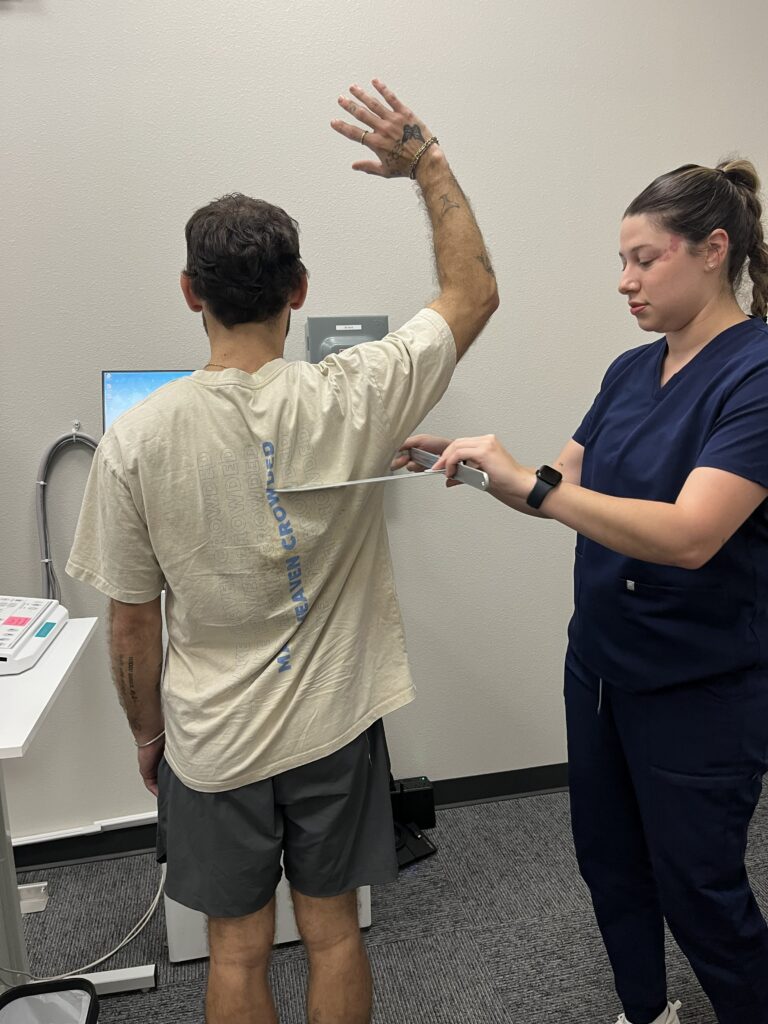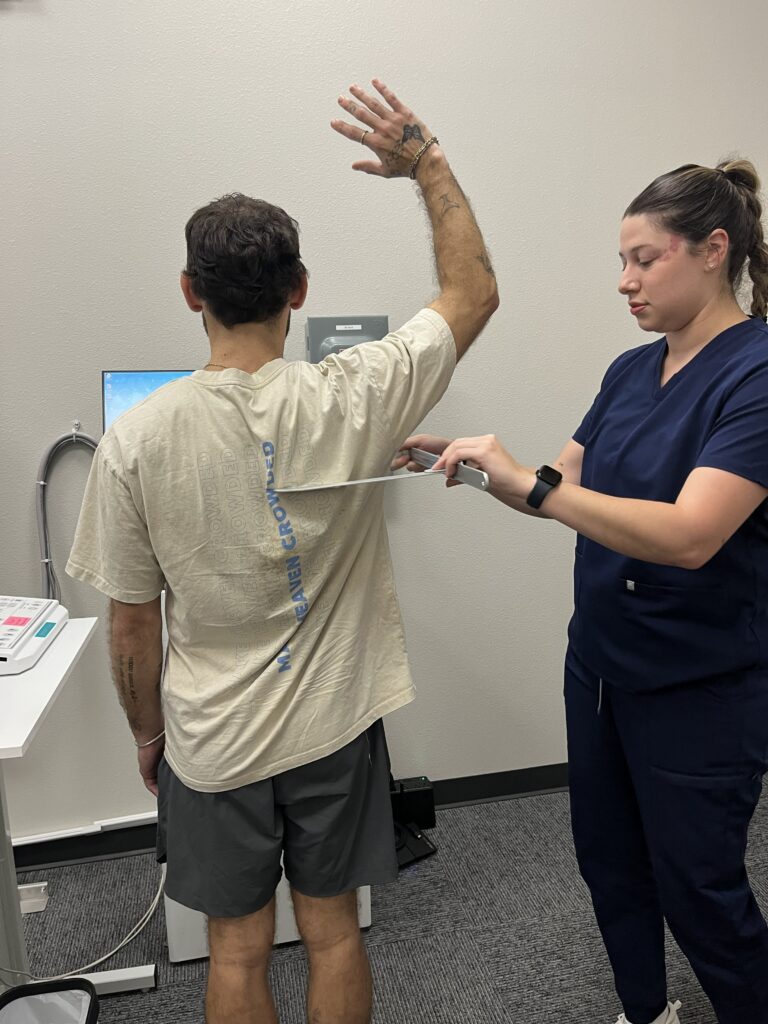

Headaches can be more than just a temporary annoyance; they often signal deeper issues related to your spine and overall wellness that need addressing. By understanding the various types of headaches, such as tension, migraines, and cervicogenic headaches, along with their common triggers, you can take proactive steps to manage and prevent them effectively.
One of the best ways to combat headaches naturally is through chiropractic care. Chiropractors focus on the health of your spine and nervous system, which can play a significant role in headache relief. By ensuring proper alignment of the spine, chiropractic adjustments can help reduce tension, improve blood flow, and alleviate pain.
In addition to chiropractic care, simple strategies like staying hydrated, eating a balanced diet rich in nutrients, and practicing stress management techniques can make a noticeable difference in how you feel. Regular physical activity, proper posture, and taking breaks during prolonged periods of sitting can also contribute to reducing headache frequency and intensity.
If you’re curious about how to incorporate these natural solutions into your daily routine, consider scheduling a consultation with a chiropractor. They can provide personalized recommendations and additional techniques to help you achieve optimal health and wellness without the need for medications or surgeries.
Remember, by taking care of your spine and overall well-being, you can pave the way for a healthier, headache-free life!
Key Takeaways
Unlocking Natural Solutions for Headache Prevention through Chiropractic Care
As a local chiropractor, I want to share some effective ways to prevent headaches naturally and promote overall wellness. Remember, chiropractic care can play a significant role in your journey to optimal health!
- Stay Hydrated: Make it a habit to drink at least eight glasses of water a day. Staying hydrated is essential in preventing dehydration-related headaches. Proper hydration supports spinal health and overall bodily functions.
- Balanced Diet: Nourish your body with a balanced diet that includes plenty of leafy greens, omega-3 fatty acids, and whole grains. These foods not only help reduce headache frequency but also support your spinal health and overall wellness.
- Stress Management: Stress can lead to tension headaches, so practicing stress management techniques is crucial. Try deep breathing exercises or mindfulness meditation. Chiropractic adjustments can also help relieve tension in your body, promoting relaxation and reducing headache triggers.
- Regular Physical Activity: Engage in regular exercise to improve circulation and reduce stress. Activities like walking, yoga, or swimming can enhance your overall well-being and help keep your spine healthy.
- Holistic Remedies: Consider exploring holistic remedies such as essential oils and herbal teas. These can provide natural headache relief and promote relaxation. Pairing these remedies with chiropractic care can enhance your healing experience.
Remember, if you’re experiencing frequent headaches, chiropractic care can help identify and address underlying issues. Regular adjustments can improve spinal alignment, reduce tension, and promote overall health. By incorporating these natural solutions and prioritizing your spinal health, you can take significant steps toward headache prevention and a healthier, more vibrant life!
Understanding the Different Types of Headaches
When you experience a headache, it’s crucial to recognize that not all headaches are alike. They can manifest in various forms, such as tension headaches that often feel like a tight band around your head, or migraines that present as intense, pulsing pain, frequently accompanied by nausea.
Cluster headaches, while less common, can be extremely painful and typically occur in cycles. You may also face sinus headaches, which are connected to sinus infections and often bring pressure in your face.
Understanding these different types of headaches can play a significant role in managing your discomfort. Each type has unique symptoms and potential triggers, and recognizing what you’re facing is the first step toward relief. For instance, tension headaches often respond well to relaxation techniques, such as deep breathing exercises, gentle stretches, or even a soothing massage.
Chiropractic care can be an excellent choice for addressing headaches. By focusing on spinal health, chiropractors work to align the spine and relieve tension in the neck and upper back, which can often contribute to headaches. Regular chiropractic adjustments may help reduce the frequency and intensity of headaches, promoting overall wellness.
Incorporating healthy lifestyle habits can also be beneficial. Staying hydrated, maintaining good posture, and ensuring you have a regular sleep schedule are all key factors in preventing headaches. Additionally, practicing stress-reduction techniques, such as yoga or mindfulness, can provide further support in managing headache symptoms.
Identifying Triggers and Prevention Strategies
Recognizing the type of headache you have is just the beginning; identifying your specific triggers can greatly enhance your ability to prevent future occurrences. A great first step is to keep a headache diary. Write down the time, duration, and intensity of your headaches, along with anything you ate, drank, or did prior to the onset. By tracking these details, you can often spot patterns that may help you understand what’s causing your discomfort.
Common triggers can include stress, lack of sleep, certain foods, or hormonal changes. Once you identify your specific triggers, you can take proactive steps to avoid them. For example, if stress is a trigger for you, consider incorporating relaxation techniques into your daily routine. Simple practices like meditation, deep breathing, or gentle stretching can help ease stress and tension, which may lead to fewer headaches.
If you notice that certain foods consistently lead to headaches, it might be time to rethink your diet. By eliminating or reducing those foods, you may find relief.
As a chiropractor, I recommend exploring how spinal health can play a role in headache prevention. Misalignments in the spine can contribute to tension and discomfort, so regular chiropractic adjustments can help enhance your overall well-being and reduce the frequency of headaches.
Consulting with a healthcare provider who understands the benefits of chiropractic care can further assist you in identifying triggers and developing personalized prevention strategies.
The Role of Hydration in Headache Prevention
Staying hydrated is crucial not just for your overall health, but it can also play a significant role in preventing headaches. As a chiropractor, I see many patients who experience headaches, and one common factor is dehydration. When your body doesn’t get enough water, it can lead to dehydration, which may cause tension and discomfort.
Dehydration can even shrink brain tissue, sending out pain signals that can lead to headaches. To help keep headaches at bay, aim to drink at least eight glasses of water a day. If you lead an active lifestyle or are in a hot environment, you may need even more.
It’s essential to listen to your body; signs of thirst or a dry mouth are signals that it’s time to hydrate. Additionally, incorporating hydrating foods like fruits and vegetables into your meals can assist in maintaining your hydration levels.
For those who experience frequent headaches, consider tracking your daily water intake and observing any changes in the frequency or intensity of your headaches. By prioritizing hydration, you’re taking a proactive step toward not only preventing headaches but also enhancing your overall wellness.
Remember that chiropractic care can also be a powerful ally in your journey toward optimal health. Regular adjustments can help relieve tension in your spine and nervous system, which can contribute to headaches.
Nutrition and Its Impact on Headache Frequency
While many factors contribute to headache frequency, nutrition is a crucial element that often gets overlooked. Your diet can have a significant impact on how often you experience headaches. By focusing on specific nutrients and making mindful food choices, you can take an important step toward reducing headache occurrences and enhancing your overall well-being.
As a chiropractor, I believe in the power of natural healing and the role that nutrition plays in maintaining a healthy spine and nervous system. Here’s a quick look at some foods that may help alleviate headaches and those that might trigger them:
| Beneficial Foods | Foods to Avoid | Nutritional Benefits |
|---|---|---|
| Leafy greens | Aged cheeses | High in magnesium, which can help relax muscles and reduce tension. |
| Fatty fish | Processed meats | Rich in omega-3 fatty acids that can help reduce inflammation. |
| Nuts and seeds | Caffeinated drinks | Packed with antioxidants that support overall brain health. |
| Whole grains | Alcohol | Provides steady energy levels, preventing blood sugar spikes that can lead to headaches. |
Incorporating more beneficial foods into your meals while limiting those that can trigger headaches can lead to a noticeable decrease in frequency. It’s also important to stay hydrated, as dehydration can be a common trigger for headaches.
Remember, focusing on your nutrition is just one piece of the puzzle. Regular chiropractic care can also play a vital role in headache prevention by ensuring that your spine is aligned and your nervous system is functioning optimally. By combining good nutrition with chiropractic adjustments, you’re setting yourself up for a healthier, headache-free life.
Make these small changes in your diet and consider visiting your local chiropractor for a holistic approach to health and wellness. Together, we can work towards achieving optimal health and reducing headache frequency naturally.
Stress Management Techniques for Relief
Managing stress is essential not just for your overall well-being, but also for preventing headaches, which can often be linked to tension in the spine and muscles. As a chiropractor, I want to share some effective stress management techniques that can help you find relief naturally and support your journey to optimal health.
One of the simplest yet most powerful techniques is deep breathing exercises. By focusing on your breath, you can activate the body’s relaxation response, helping to release tension in your neck and shoulders, which are common areas for stress-related headaches. Take a few moments each day to practice deep, slow breaths. Inhale deeply through your nose, hold for a few seconds, and exhale slowly through your mouth.
Mindfulness meditation is another fantastic tool for stress relief. This practice encourages you to stay present and aware of your thoughts and feelings without judgment. It can help you develop a greater sense of calm and control, reducing the likelihood of tension headaches. Just a few minutes a day can make a significant difference in your mental clarity and stress levels.
Regular physical activity is also crucial. Engaging in movement not only helps release endorphins, which are natural pain relievers, but it also promotes better spinal health. Activities like walking, yoga, or swimming can improve your posture, strengthen your muscles, and decrease the chances of tension building up in your body.
Incorporating these practices into your daily routine can lead to lasting relief from headaches and contribute to a healthy lifestyle.
Remember, chiropractic care is a fantastic complement to these techniques, as it focuses on restoring proper alignment and function to your spine, which is central to your overall health. By prioritizing natural healing through chiropractic adjustments, you can support your body in managing stress and achieving optimal wellness.
Take these tips to heart and consider how chiropractic care can play a role in your journey to a healthier, headache-free life!
Deep Breathing Exercises
When stress sneaks up on you, deep breathing exercises can be an effective and natural way to find relief from headaches. By concentrating on your breath, you can trigger your body’s natural relaxation response, which helps alleviate tension and foster a sense of calm.
Here’s a straightforward guide to help you get started:
- Find a Quiet Space: Choose a comfortable spot where you won’t be disturbed.
- Sit Comfortably: Make sure you’re in a relaxed position, allowing your spine to align well.
- Inhale Deeply: Breathe in slowly through your nose, letting your abdomen rise as you fill your lungs with air.
- Hold Your Breath: Keep the air in for a few seconds, feeling the expansion in your body.
- Exhale Slowly: Release the breath through your mouth, letting go of any built-up tension.
- Repeat: Continue this cycle for several minutes, keeping your focus solely on your breath.
Incorporating these deep breathing exercises into your daily routine can significantly aid in managing stress. They complement chiropractic care beautifully, as a well-aligned spine enhances overall wellness and makes it easier to combat headaches.
Remember, chiropractic adjustments can help reduce physical stressors on your body, allowing these breathing techniques to be even more effective.
Try these exercises regularly, and you may notice a positive shift in your stress levels and overall well-being. Embrace the power of natural healing through deep breathing and chiropractic care, and feel the difference in your life!
Mindfulness Meditation Practices
As you look for effective ways to manage stress and prevent headaches, incorporating mindfulness meditation into your daily routine can be a powerful complement to chiropractic care. Mindfulness allows you to focus on the present moment, which can help reduce the anxiety and tension that often lead to headaches. It’s a natural approach that aligns well with the principles of chiropractic health.
Start with just a few minutes each day, and gradually increase your practice. Here’s a straightforward guide to get you started:
| Mindfulness Practice | Duration | Benefits |
|---|---|---|
| Body Scan Meditation | 5-10 mins | Enhances body awareness and helps identify tension areas that may benefit from chiropractic adjustments. |
| Breath Awareness | 5 mins | Calms the mind and reduces stress, promoting a relaxed state that is ideal for spinal health. |
| Guided Visualization | 10-15 mins | Promotes deep relaxation, decreases tension, and complements the body’s natural healing processes. |
Incorporating these mindfulness practices into your routine can support your overall health and enhance the effects of chiropractic care. Regular mindfulness practice can lead to lasting stress relief and improved well-being, making it a valuable tool in headache prevention.
Physical Activity Benefits
Incorporating physical activity into your daily routine can significantly enhance your overall well-being and support your body in managing stress and preventing headaches. Regular exercise not only promotes healthy spinal alignment but also encourages natural healing and wellness.
As a chiropractor, I want to share how staying active can complement your chiropractic care for optimal health:
- Reduces Stress: Engaging in physical activity helps lower cortisol levels, which can help you feel calmer and more relaxed. This is especially beneficial for those who experience tension in their back and neck, as stress often contributes to these issues.
- Improves Sleep: Getting regular exercise can lead to better sleep quality, reducing the likelihood of headaches that can stem from lack of rest. A well-rested body is better equipped to maintain a healthy spine and manage stress effectively.
- Enhances Mood: Exercise stimulates the release of serotonin, a natural mood booster that can help alleviate feelings of anxiety and depression. A positive mood can lead to better posture and less strain on your spine, further supporting your chiropractic treatment.
- Increases Energy: By staying active, you can fight off fatigue and feel more energized throughout the day. This increased energy can motivate you to maintain good posture and engage in activities that promote spinal health.
- Promotes Circulation: Improved blood flow from regular movement can help relieve tension headaches and support your body’s natural healing processes. Good circulation is essential for delivering nutrients to the spine and aiding in recovery.
In addition to regular exercise, consider incorporating stretches that promote spinal health, and always listen to your body. If you experience pain or discomfort, consult with your chiropractor to ensure you’re on the right path to natural wellness.
Embracing a physically active lifestyle, along with chiropractic care, can lead to a healthier, pain-free life.
The Benefits of Regular Exercise
Regular exercise plays a vital role in enhancing your blood circulation, which is essential for delivering oxygen and nutrients to your brain. This improvement in circulation not only boosts your overall health but also acts as a natural stress reliever.
By incorporating movement into your daily routine, you’re not just staying active; you’re also taking important steps towards preventing headaches and other discomforts.
As a chiropractor, I want to emphasize that maintaining a healthy spine is key to achieving optimal wellness. When your spine is aligned and functioning properly, it supports your body in all its activities, including exercise.
Here are a few tips to integrate movement into your life while promoting spinal health:
- Start Simple: Begin with gentle stretches and walks to ease into a regular exercise routine. This helps maintain flexibility and reduces the risk of injury.
- Focus on Posture: Pay attention to how you sit, stand, and move. Proper posture supports your spine and can prevent tension and discomfort.
- Incorporate Core Strengthening: Exercises that strengthen your core, like planks or gentle yoga, can support your spine and improve your overall stability.
- Stay Hydrated: Drinking plenty of water is important for spinal health, as it helps keep the discs between your vertebrae healthy and hydrated.
- Listen to Your Body: If you experience any discomfort while exercising, it’s important to stop and assess. A visit to your chiropractor can help identify any underlying issues and provide tailored advice for your situation.
By prioritizing your spinal health through regular exercise and chiropractic care, you’re on the path to achieving natural wellness and pain relief.
Improved Blood Circulation
As a local chiropractor, I want to share how regular exercise and improved blood circulation can play a significant role in headache prevention and overall well-being. When you engage in physical activity, your body benefits from enhanced blood circulation, which is essential for delivering oxygen and nutrients to your brain. This not only helps your brain function better but can also reduce the frequency and intensity of headaches.
Here are some key ways improved blood circulation can help you feel better:
- Toxin Removal: Good circulation aids in flushing out toxins that may trigger headaches, keeping your body cleaner and more efficient.
- Reduced Muscle Tension: Improved blood flow helps alleviate muscle tightness, which is often a common cause of headaches. Regular chiropractic adjustments can further enhance this effect by ensuring your spine is aligned and your muscles are relaxed.
- Boosted Energy Levels: With better circulation, you may notice an increase in your overall energy, helping you feel more vibrant throughout the day.
- Better Sleep Quality: When your blood circulates well, it supports restful sleep, helping you wake up refreshed and reducing the likelihood of fatigue-related headaches.
- Heart Health: Regular movement, including chiropractic care, promotes a healthier cardiovascular system, which is vital for overall wellness.
Incorporating regular chiropractic adjustments into your routine can further enhance your circulation and support your body’s natural healing processes.
Stress Reduction Techniques
Exercise isn’t just about keeping your body fit; it’s also a fantastic way to reduce stress and promote overall wellness. When you engage in regular physical activity, your body releases endorphins—natural chemicals that elevate your mood and induce relaxation. Activities like walking, jogging, or participating in a yoga class can help clear your mind and alleviate anxiety.
As a chiropractor, I encourage you to prioritize movement not only for your physical health but also for your mental well-being. After a workout, many people report feeling more centered and focused.
Plus, dedicating time for physical activity offers a much-needed break from daily pressures, allowing you to recharge.
Incorporating even short bursts of activity into your day can significantly enhance your overall well-being. This is especially important because managing stress can help reduce the frequency of tension-related headaches and other discomforts.
Remember, chiropractic care complements your exercise routine by ensuring your spine is aligned and functioning optimally, which can enhance your ability to move freely and without pain.
Holistic Remedies and Alternative Therapies
Exploring holistic remedies and alternative therapies can be a great way to manage headaches while prioritizing your overall health. As a chiropractor, I want to emphasize that chiropractic care is one of the best options for achieving optimal wellness and alleviating pain without the need for medications.
Here are some natural methods to consider alongside regular chiropractic adjustments:
- Chiropractic Adjustments: Regular visits to a chiropractor can help realign the spine, reduce tension, and promote better overall function, which may significantly alleviate headaches.
- Essential Oils: While essential oils like lavender and peppermint can be soothing when inhaled or applied topically, integrating them into a wellness routine may enhance the benefits of chiropractic care.
- Herbal Teas: Enjoying herbal teas such as chamomile or ginger can help with relaxation and inflammation, complementing the effects of chiropractic adjustments.
- Mindfulness Meditation: Incorporating mindfulness practices can help reduce stress levels, making it easier to manage pain. This can enhance the effectiveness of chiropractic care in your overall health journey.
- Yoga and Stretching: Gentle yoga and stretching exercises can relieve tension in your neck and shoulders. When combined with chiropractic care, these practices can further reduce headache triggers and improve spinal health.
By integrating these natural approaches with regular chiropractic care, you can take proactive steps towards preventing headaches and enhancing your overall well-being.
Conclusion
By embracing a holistic approach to headache prevention, you can significantly reduce their frequency and intensity, and chiropractic care is at the heart of this approach. Staying hydrated, eating a balanced diet, managing stress, and staying active are all crucial strategies, but regular chiropractic adjustments can help maintain optimal spinal health, which is essential for overall wellness.
Chiropractic care focuses on ensuring that your spine is properly aligned, which can relieve tension and pressure that may contribute to headaches. By identifying your personal triggers, such as poor posture or muscle tightness, and incorporating chiropractic adjustments into your routine, you can experience fewer headaches and improved well-being.
Additionally, consider incorporating some simple daily habits to support your health:
- Stay Hydrated: Aim for plenty of water throughout the day to keep your body functioning well.
- Balanced Diet: Focus on whole foods rich in vitamins and minerals to nourish your body.
- Stress Management: Explore relaxation techniques like deep breathing or meditation to keep stress levels in check.
- Regular Exercise: Engage in physical activity to promote circulation and relieve tension.
Start your journey toward a headache-free life today with chiropractic care as a key part of your wellness plan!