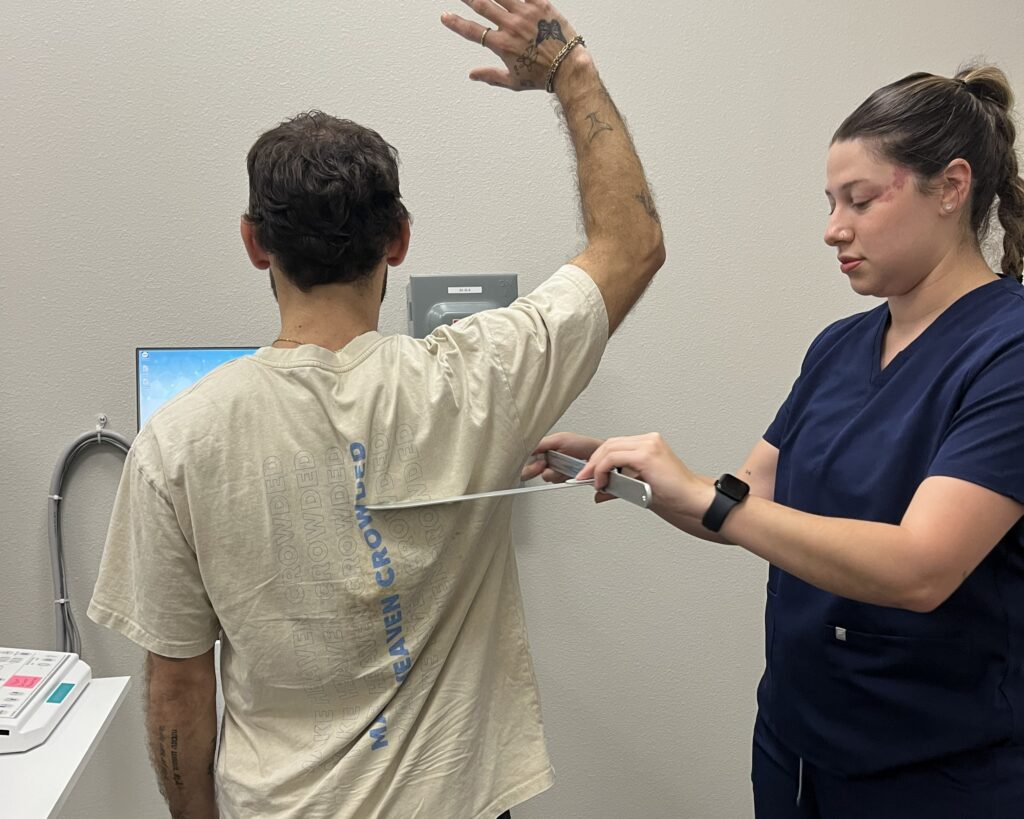

If you’re dealing with migraines, consider how chiropractic care can play a significant role in your relief. By focusing on spinal health and overall wellness, chiropractic adjustments can help alleviate tension and improve your body’s function, potentially reducing the frequency and intensity of your headaches.
In addition to chiropractic treatments, integrating simple lifestyle changes can further enhance your well-being. Staying well-hydrated is essential, as dehydration can trigger headaches. Also, paying attention to your diet by avoiding known migraine triggers and incorporating more whole foods can be beneficial.
Mindfulness techniques, such as deep breathing and meditation, can help reduce stress, which is often a contributing factor to migraines. Herbal supplements may also provide support, but it’s important to discuss these with your chiropractor to ensure they align with your care plan.
Ultimately, the goal is to find a holistic approach that resonates with you. By prioritizing chiropractic care and these natural remedies, you can take meaningful steps toward achieving optimal health and finding relief from migraines. Remember, your spine is the foundation of your overall health, and caring for it can lead to a more balanced and pain-free life.
Key Takeaways
- Staying hydrated is essential for overall health and can help prevent dehydration-induced migraines. Aim to drink at least eight 8-ounce glasses of water each day to keep your body functioning optimally. Proper hydration supports your spinal health as well!
- To support your body’s natural ability to manage migraines, consider incorporating magnesium, omega-3 fatty acids, and antioxidants into your diet. These nutrients can help reduce inflammation and promote better overall health, which is vital for maintaining a healthy spine and nervous system.
- Herbal remedies like feverfew and ginger can be beneficial in managing migraine symptoms. They may help reduce migraine frequency and alleviate nausea naturally, making them great complementary options alongside chiropractic care.
- Regular chiropractic adjustments can play a crucial role in alleviating tension and improving spinal alignment, which can help reduce the occurrence of migraines. By maintaining proper alignment, you can support your nervous system and potentially lessen the frequency and intensity of headaches.
- Practicing mindfulness techniques such as deep breathing and yoga not only enhances relaxation but also promotes better spinal health. These practices can help you manage stress, which is often a trigger for migraines, and support your overall wellness journey.
Incorporating these tips into your daily routine can help you achieve a healthier, more balanced life while positioning chiropractic care as a cornerstone of your wellness strategy. Remember, your spine is the foundation of your health, and keeping it in alignment is key to feeling your best!
Understanding Migraines: Causes and Symptoms
Understanding Migraines: Causes and Symptoms
Migraines can be a challenging experience, and they vary widely from person to person. However, grasping their causes and symptoms is key to finding relief. If you’re dealing with migraines, you may notice intense, throbbing pain, often localized to one side of your head. This discomfort can linger, lasting from a few hours to several days. In addition to the pain, you might also experience nausea, vomiting, and increased sensitivity to light and sound.
One effective way to manage migraines is by identifying your triggers. Common triggers include stress, hormonal fluctuations, certain foods, and sleep disturbances. Keeping a migraine diary can be a great tool to help you track what may be setting off your attacks, allowing you to make lifestyle adjustments.
Being aware of warning signs, such as an aura, can also prepare you for an impending migraine. Recognizing these early symptoms gives you a chance to take proactive steps, which may help minimize the severity and duration of your pain.
As a chiropractor, I believe that natural healing methods, including chiropractic care, can play a significant role in managing migraines. Chiropractic adjustments may help alleviate tension in the spine and neck, which can contribute to headache pain. Additionally, maintaining good posture and incorporating relaxation techniques into your daily routine can further enhance your overall well-being.
Here are some general tips to help manage migraines:
- Stay Hydrated: Drink plenty of water throughout the day to prevent dehydration, which can trigger headaches.
- Regular Sleep Schedule: Try to go to bed and wake up at the same time every day to regulate your sleep patterns.
- Healthy Diet: Maintain a balanced diet, and be mindful of any foods that may trigger your migraines.
- Stress Management: Incorporate stress-reducing practices like yoga, meditation, or deep-breathing exercises into your routine.
- Chiropractic Care: Regular chiropractic adjustments can help keep your spine aligned and may reduce the frequency of migraines.
The Role of Hydration in Migraine Prevention
Staying properly hydrated is crucial for preventing migraines, as even mild dehydration can lead to painful episodes. As a chiropractor, I want to emphasize the importance of hydration not just for migraine relief, but for overall health and wellness.
By recognizing the connection between adequate water intake and the reduction of headache frequency, you can take proactive steps to manage your symptoms naturally.
Here are some effective hydration strategies to help keep those headaches at bay:
- Drink Water Regularly: Aim to drink water throughout the day, rather than waiting until you’re thirsty. Keeping a water bottle with you can serve as a reminder to stay hydrated.
- Incorporate Hydrating Foods: Foods like cucumbers, watermelon, oranges, and leafy greens have high water content and can contribute to your overall hydration.
- Monitor Your Intake: Pay attention to how much water you’re consuming daily. A good rule of thumb is to aim for at least 8 glasses, but individual needs may vary based on activity level and climate.
- Set Reminders: If you find it challenging to remember to drink water, set reminders on your phone or use hydration apps to keep you on track.
- Listen to Your Body: Be aware of signs of dehydration such as dry mouth, fatigue, or dark-colored urine. These can be indicators that it’s time to increase your fluid intake.
- Consider Your Activities: If you exercise or spend time in the sun, make sure to drink extra water to compensate for fluid loss.
By prioritizing hydration, you’re not only helping to prevent migraines but also promoting your overall spinal health and wellness.
Remember, maintaining a healthy spine and nervous system is essential for achieving optimal health. If you experience persistent headaches or other discomforts, chiropractic care can provide natural and effective relief.
Together with proper hydration, chiropractic adjustments can help ensure that your body functions at its best.
Importance of Water Intake
When you prioritize hydration, you can significantly reduce the frequency and severity of migraines, which is a common concern for many. Drinking enough water daily helps maintain your body’s balance and ensures that your brain functions properly. Dehydration can lead to headaches, so keeping a water bottle close by serves as a great reminder to sip throughout the day.
Aim for at least eight 8-ounce glasses of water each day, and remember to adjust this amount if you’re exercising or spending time in hot weather.
It’s important to note that hydration doesn’t have to come solely from plain water; herbal teas and water-rich fruits and vegetables can also contribute to your daily intake. As you develop this hydration habit, pay attention to how your body responds. Improved hydration may lead to fewer migraine episodes, allowing you to enjoy life more comfortably.
As a chiropractor, I encourage you to consider how proper hydration complements your overall wellness journey. Staying hydrated supports not just your brain function but also your spinal health and nervous system, which are vital for optimal health.
To further enhance your well-being, consider regular chiropractic care, which can help alleviate pain and improve your body’s natural ability to heal. Make water intake a priority for better health and consider integrating chiropractic adjustments into your routine for a holistic approach to wellness!
Dehydration and Migraine Triggers
Dehydration can be a sneaky trigger for migraines, often going unnoticed until you feel the onset of pain. Your body relies on proper hydration to function effectively, and when you’re low on fluids, it can lead to a headache or migraine. You mightn’t realize how much your daily activities, weather, or diet impact your hydration levels. Even mild dehydration can cause symptoms, so it’s essential to stay aware of your water intake.
As a chiropractor, I want to emphasize that maintaining proper hydration can support your overall health and well-being. Alongside regular chiropractic care, staying hydrated can help reduce the risk of migraines and other discomforts caused by dehydration. If you find yourself feeling thirsty, fatigued, or dizzy, these are signals from your body that you may need to drink more water.
Here are some general tips to help you prioritize hydration and support your body:
- Set a Goal: Aim to drink a certain amount of water each day. A common recommendation is about 8 glasses, but individual needs may vary based on activity levels and climate.
- Carry a Water Bottle: Keep a reusable water bottle with you throughout the day as a reminder to drink regularly.
- Infuse Your Water: If plain water doesn’t appeal to you, try adding slices of fruits or herbs like lemon, cucumber, or mint for a refreshing twist.
- Eat Hydrating Foods: Incorporate fruits and vegetables with high water content, such as cucumbers, watermelon, and oranges, into your diet.
- Listen to Your Body: Pay attention to signs of dehydration and make it a habit to drink water before you feel thirsty.
By making hydration a daily focus, you can help reduce the risk of migraines and enhance your overall health.
Hydration Strategies for Relief
Staying properly hydrated is crucial for preventing migraines, as even a small amount of fluid loss can lead to discomfort. As a chiropractor, I emphasize the importance of holistic wellness, and hydration plays a key role in that. Aim to drink at least eight 8-ounce glasses of water each day.
Keeping a water bottle with you can serve as a great reminder to sip consistently throughout your day. If you’re engaging in physical activity or spending time in warm environments, don’t hesitate to increase your water intake.
Remember, you can also hydrate with water-rich fruits and vegetables, such as cucumbers and watermelon. These can be a delicious way to boost your hydration levels.
Listen to your body; headaches can often be an early signal of dehydration. In addition to plain water, consider herbal teas or drinks rich in electrolytes, but be cautious with caffeine, as it can sometimes lead to dehydration.
By prioritizing hydration, you’re not just supporting your body but also taking proactive steps toward migraine relief.
And remember, regular chiropractic care can further enhance your overall health and wellness, helping to keep your body functioning optimally.
Dietary Changes: Foods to Include and Avoid
What if the foods you eat could play a vital role in managing your migraines? As a chiropractor, I believe in the importance of a holistic approach to health and wellness. Dietary changes can significantly impact your overall well-being and help reduce the frequency and intensity of migraines. By focusing on natural solutions, you can enhance your chiropractic care and promote a healthier lifestyle.
Start by incorporating foods rich in magnesium, omega-3 fatty acids, and antioxidants into your diet. These nutrients can support your body in managing pain and improving your overall health.
Here’s a quick guide on what to include and avoid in your diet for better migraine management:
| Foods to Include | Foods to Avoid |
|---|---|
| Leafy greens (like spinach and kale) | Aged cheeses |
| Fatty fish (such as salmon and mackerel) | Processed meats |
| Nuts and seeds (like almonds and chia seeds) | Caffeinated drinks |
| Whole grains (such as quinoa and brown rice) | Alcohol |
| Fresh fruits (especially berries) | Artificial sweeteners |
Incorporating these foods can not only help alleviate migraine symptoms but also support your chiropractic care by promoting a healthier spine and body. Remember, proper nutrition is a key part of a comprehensive wellness plan.
Additionally, stay hydrated and consider maintaining a regular eating schedule to help stabilize your body’s systems. These simple dietary changes can complement the chiropractic adjustments you receive, leading to a more effective path toward pain relief and optimal health.
Herbal Remedies for Natural Relief
If you’re looking to find natural relief from migraines, it’s important to consider a holistic approach that includes chiropractic care as a key player in achieving optimal health. Many patients have experienced significant improvements in their migraine symptoms through regular chiropractic adjustments, which help to align the spine and alleviate tension in the body.
In addition to chiropractic care, herbal remedies can complement your wellness routine. Herbs like feverfew and butterbur have been known to help reduce the frequency and severity of migraines. Feverfew, in particular, has a long history of use for alleviating headache symptoms. You can incorporate it into your routine by taking it in capsule form or enjoying it as a tea.
Ginger is another natural remedy that may help not only with nausea but also with headache pain. Sipping ginger tea or adding fresh ginger to your meals can provide soothing benefits. Similarly, peppermint oil can be effective; simply applying it to your temples may create a cooling sensation that promotes relaxation and relief.
Don’t forget about chamomile, which is known for its calming properties. Drinking chamomile tea can help you unwind and manage migraine discomfort more effectively.
Remember, while these herbal remedies can be beneficial, consulting with a healthcare professional, such as your chiropractor, is always a wise choice before starting any new regimen to ensure it’s tailored to your individual needs.
Incorporating chiropractic care into your routine, alongside these natural remedies, can provide a comprehensive approach to managing migraines and enhancing your overall well-being. Embrace these natural methods and take proactive steps toward a healthier, pain-free life!
Mindfulness and Relaxation Techniques
Managing migraines can feel overwhelming, but incorporating chiropractic care along with mindfulness and relaxation techniques into your routine can significantly improve your experience. These practices help center your thoughts and reduce stress, which are common triggers for migraines.
Start by visiting your chiropractor, who can provide spinal adjustments to help align your body and improve overall function. This can relieve tension and may help reduce the frequency and intensity of migraines.
In addition to chiropractic care, set aside a few minutes daily for deep breathing exercises. Focus on inhaling slowly and exhaling gently, allowing your mind to quiet and your body to relax.
You might also try guided imagery, where you visualize a peaceful scene that calms your mind, promoting relaxation. Progressive muscle relaxation can be beneficial too; simply tense and relax each muscle group to relieve tension throughout your body.
Meditation is another powerful tool; you can find guided sessions through apps or online videos that can help you unwind. Lastly, consider practicing yoga, which combines movement, breathing, and mindfulness to enhance relaxation and support spinal health.
By integrating chiropractic care and these mindfulness techniques into your life, you’ll not only manage your migraines more effectively but also promote overall well-being.
Acupuncture and Massage Therapy Benefits
As a local chiropractor, I want to share some valuable insights on managing migraines through natural healing methods. While acupuncture and massage therapy can provide relief, chiropractic care stands out as a powerful approach for addressing the root causes of migraines.
Chiropractic adjustments focus on aligning the spine, which can help reduce nerve irritation and improve overall function. When your spine is properly aligned, it promotes better communication between your brain and body, potentially reducing the frequency and intensity of migraines.
In addition to spinal adjustments, here are a few general tips to help manage migraines naturally:
- Stay Hydrated: Dehydration can trigger headaches, so make sure you drink plenty of water throughout the day.
- Maintain Good Posture: Poor posture can contribute to tension in your neck and shoulders, leading to migraines. Be mindful of your posture, especially if you spend long hours sitting at a desk.
- Practice Stress Management: Stress can be a significant trigger for migraines. Techniques such as deep breathing exercises, yoga, or meditation can help reduce stress levels.
- Get Regular Exercise: Engaging in regular physical activity can improve circulation and reduce the frequency of migraines. Aim for at least 30 minutes of moderate exercise most days of the week.
- Pay Attention to Triggers: Keep a migraine diary to identify specific triggers, such as certain foods, lack of sleep, or stress, and work to minimize these factors.
By incorporating chiropractic care into your wellness routine, along with these simple lifestyle adjustments, you can take proactive steps toward managing migraines and enhancing your overall health.
Acupuncture Techniques Explained
When it comes to finding relief from migraines, many people are turning to natural methods, and chiropractic care stands out as a powerful approach to pain management. Unlike other treatments, chiropractic focuses on the spine and nervous system, which play a crucial role in overall health and wellness. By ensuring that your spine is aligned and functioning properly, chiropractic care can help alleviate migraine symptoms and improve your well-being.
Here’s a quick overview of how chiropractic care can benefit you:
| Technique | Benefits |
|---|---|
| Spinal Adjustments | Restores alignment, reduces tension |
| Soft Tissue Therapy | Relieves muscle tightness and pain |
| Lifestyle Guidance | Promotes healthier living habits |
| Stress Management | Reduces emotional tension and stress |
Incorporating chiropractic adjustments into your wellness routine can be an effective way to manage migraine symptoms naturally. Remember, taking care of your spine not only helps with pain relief but also supports your overall health.
Here are some general tips to help you manage migraines and promote well-being:
- Stay Hydrated: Drink plenty of water throughout the day to prevent dehydration, which can trigger migraines.
- Maintain Good Posture: Pay attention to your posture while sitting or standing to reduce strain on your neck and spine.
- Limit Stress: Engage in relaxation techniques such as deep breathing, meditation, or yoga to manage stress levels.
- Regular Exercise: Incorporate regular physical activity into your routine to help improve circulation and reduce tension.
Massage Therapy Benefits
While chiropractic care is a powerful natural method for migraine relief, it’s important to acknowledge that massage therapy can also play a beneficial role. Regular massage sessions can help reduce muscle tension and enhance circulation, which may lead to fewer headaches. The gentle pressure applied during a massage promotes relaxation, helping to ease stress that could trigger migraines.
However, as a local chiropractor, I want to emphasize that chiropractic adjustments are specifically designed to address spinal alignment and nervous system function, which are crucial for overall wellness. By focusing on your spine, chiropractic care can effectively reduce the frequency and intensity of migraines by ensuring that your nervous system is working optimally.
Incorporating chiropractic care into your routine not only targets the physical aspects of migraines but also supports your emotional well-being. Here are a few tips you can take away:
- Stay Hydrated: Dehydration can lead to increased headache frequency. Make sure to drink plenty of water throughout the day.
- Posture Awareness: Maintain good posture, especially if you spend long hours sitting. This helps reduce tension in the neck and shoulders, which can contribute to migraines.
- Regular Chiropractic Visits: Regular adjustments can help keep your spine aligned and your nervous system functioning properly, reducing the likelihood of migraines.
- Stress Management: Engage in stress-relief activities, such as yoga or deep breathing exercises, to help mitigate stress-related triggers.
By prioritizing chiropractic care and incorporating these practices into your lifestyle, you can take proactive steps toward managing migraines and enhancing your overall quality of life.
Combining Therapies Effectively
Combining therapies like chiropractic care, acupuncture, and massage therapy can create a powerful approach to migraine relief, especially since each method can support your overall wellness. Here’s how integrating these therapies can benefit you:
- Enhanced Relaxation: Chiropractic adjustments help align your spine and reduce tension, while acupuncture promotes relaxation throughout your body. Together, they make it easier to manage stress, which is a common trigger for migraines.
- Improved Circulation: Chiropractic care optimizes your nervous system function, which can enhance blood flow throughout your body. When combined with acupuncture, this can increase the effectiveness of massage therapy in reducing pain and discomfort.
- Comprehensive Pain Management: By addressing both the physical misalignments and the emotional aspects of migraines, this combination offers a more complete solution to your pain. Chiropractic care not only focuses on alleviating pain but also on promoting long-term wellness.
Tips for Managing Migraines Naturally:
- Stay Hydrated: Drink plenty of water throughout the day to help prevent dehydration, a common trigger for migraines.
- Practice Good Posture: Maintaining proper posture can reduce tension in your neck and back, which may help prevent migraines.
- Incorporate Regular Exercise: Gentle activities like walking, yoga, or swimming can improve circulation and reduce stress levels.
- Prioritize Sleep: Ensure you get enough quality sleep each night, as lack of rest can lead to increased migraine frequency.
Essential Oils: Aromatherapy for Migraines
Essential oils have become a popular natural remedy for those seeking relief from migraines, and they can complement your overall wellness journey. While essential oils such as peppermint, lavender, and eucalyptus offer soothing properties, it’s important to remember that maintaining a healthy spine through chiropractic care is one of the best ways to achieve optimal health and alleviate pain.
Incorporating essential oils into your routine can enhance relaxation, but they should be used in conjunction with regular chiropractic adjustments for the best results. When you experience a migraine, inhaling the calming scents or applying diluted essential oils topically can help ease tension, but don’t forget to consider the underlying spinal health that may be contributing to your discomfort.
To use essential oils effectively, try adding a few drops to a diffuser to create a calming atmosphere in your home or office. This can promote relaxation and set the stage for your body to heal.
Another method is to mix a carrier oil with a few drops of your chosen essential oil and gently massage it onto your temples or the back of your neck. This not only helps with relaxation but also encourages better blood circulation, which is essential for overall wellness.
Always conduct a patch test before applying any essential oil to your skin to avoid adverse reactions. Remember, while essential oils can provide temporary relief, regular chiropractic care addresses the root causes of your migraines by ensuring your spine is aligned and functioning properly.
By combining the benefits of essential oils with chiropractic care, you can create a holistic approach to managing migraines. Keep exploring different blends and techniques to find what works best for you, and consider scheduling a chiropractic appointment for a comprehensive assessment of your spinal health.
Prioritizing your spine will empower your body to heal naturally and maintain optimal wellness.
The Importance of Sleep and Rest
Finding relief from migraines often involves multiple strategies, and one of the most significant factors is your sleep quality. Poor sleep can trigger or worsen migraine episodes, making it essential to prioritize rest. Chiropractic care can also play a key role in improving your overall well-being, including your sleep quality.
Here are three tips to enhance your sleep and support your health:
- Establish a Routine: Aim to go to bed and wake up at the same time every day. This consistency helps regulate your body’s internal clock, which can lead to better sleep and reduce migraine triggers. Regular chiropractic adjustments can also help align your spine, promoting relaxation and improved sleep patterns.
- Create a Relaxing Environment: Make your bedroom a haven for sleep by keeping it dark, quiet, and cool. Using blackout curtains or white noise machines can help minimize disturbances. A comfortable mattress and supportive pillows are also crucial, as proper spinal alignment during sleep can prevent tension that may contribute to migraines.
- Limit Screen Time Before Bed: Try to avoid screens for at least an hour before sleep. The blue light from devices can interfere with your body’s natural sleep-wake cycle. Instead, consider engaging in calming activities such as gentle stretching or relaxation techniques. Chiropractic care can also provide techniques to relieve tension and promote relaxation, making it easier to unwind at the end of the day.
By incorporating these tips into your routine and considering chiropractic care as part of your wellness journey, you can enhance your sleep quality and potentially reduce the frequency and intensity of migraines.
Regular Exercise: A Natural Approach to Pain Management
While many individuals look for quick fixes for migraines through medication, embracing regular exercise can be a powerful, natural method for managing pain. Exercise increases endorphin levels, which act as the body’s natural pain relievers, helping to ease migraine symptoms. Engaging in moderate activities, such as walking, cycling, or yoga, not only enhances blood circulation but also reduces stress—two common triggers for migraines.
Aim for at least 30 minutes of physical activity most days. If a rigorous workout isn’t feasible, don’t fret; the key is consistency. Pay attention to how your body feels and choose activities that you genuinely enjoy, which will make it easier to maintain your routine.
In addition to physical benefits, regular exercise can significantly enhance your overall mental health, leading to fewer stress-related migraines. Staying hydrated is essential, and it’s important to avoid overexertion, as both can influence the frequency of your migraines.
As a chiropractor, I encourage you to consider how spinal alignment and chiropractic care can complement your exercise routine. Proper spinal health can improve your body’s overall function and may help in alleviating migraine pain.
Conclusion
Incorporating natural remedies into your migraine care plan can truly make a difference, and as a chiropractor, I believe that focusing on holistic approaches is key to achieving optimal health. One of the simplest ways to start is by staying well-hydrated. Dehydration can be a significant trigger for migraines, so make sure you’re drinking enough water throughout the day.
Adjusting your diet can also have a profound impact on your migraine symptoms. Try to identify and eliminate any food triggers, and consider incorporating more whole foods, fruits, and vegetables into your meals. Herbal supplements like peppermint or feverfew may offer additional support, but always consult with a professional to find what works best for you.
Mindfulness techniques, such as meditation or deep-breathing exercises, can also help you manage stress, which is a common migraine trigger. Additionally, treatments like acupuncture can promote relaxation and may alleviate some discomfort.
Essential oils, like lavender or eucalyptus, can be soothing when applied topically or used in a diffuser. Prioritizing sleep and maintaining a regular exercise routine are crucial as well; both can help reduce the frequency and severity of migraines.
As a chiropractor, I encourage you to consider how spinal alignment plays a role in overall wellness. Misalignments in the spine can contribute to tension and headaches, so regular chiropractic adjustments may help alleviate migraine symptoms. Embrace these strategies, and you’ll likely notice improvements not only in your migraines but also in your overall health and well-being. Remember, taking a holistic approach to your health can lead to lasting relief and a better quality of life.