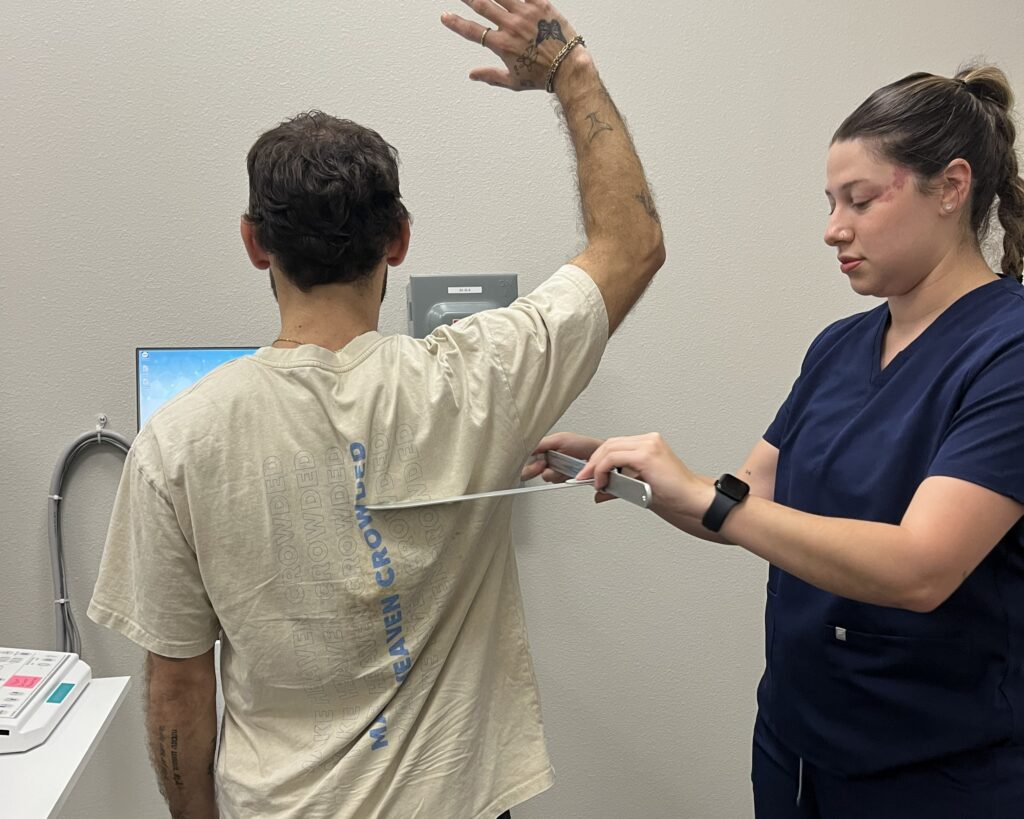

If you’ve ever suffered from migraines, you understand just how debilitating they can be. Many people search for relief through various treatments, but have you thought about chiropractic care? This holistic approach emphasizes the importance of spinal alignment, which can significantly reduce the frequency and intensity of migraine episodes. By understanding how chiropractic therapy works, you may find a renewed perspective on managing your condition naturally.
Chiropractic care focuses on the spine’s health, which plays a vital role in your overall well-being. When your spine is misaligned, it can lead to tension and stress that may trigger migraines. Through gentle adjustments, chiropractors can help restore proper alignment, alleviating pressure on your nervous system and promoting better function throughout your body.
Here are some general tips to enhance your wellness and potentially reduce migraine occurrences:
- Stay Hydrated: Dehydration can trigger migraines, so make sure to drink plenty of water throughout the day.
- Maintain Good Posture: Poor posture can contribute to spinal misalignments. Be mindful of your posture, especially when sitting at a desk or using your phone.
- Incorporate Regular Exercise: Physical activity can help reduce stress and improve circulation, both of which are beneficial for migraine sufferers. Aim for at least 30 minutes of moderate exercise most days.
- Manage Stress: Practice relaxation techniques such as deep breathing, meditation, or yoga to help reduce tension and stress levels.
- Get Adequate Sleep: Ensure you have a consistent sleep schedule and create a calming bedtime routine to promote restful sleep.
- Consider Chiropractic Adjustments: Regular visits to your chiropractor can help maintain spinal health, potentially minimizing the frequency of your migraines.
By embracing chiropractic care and these simple lifestyle changes, you can take proactive steps towards achieving optimal health and finding relief from migraines. Remember, the path to wellness is a journey, and chiropractic care can be a powerful ally along the way.
Key Takeaways
Chiropractic adjustments play a vital role in improving spinal alignment, which can help relieve tension and potentially reduce the frequency and intensity of migraines. By focusing on the spine, we address the underlying issues contributing to your pain rather than just masking the symptoms.
Regular chiropractic care not only promotes better spinal health but also enhances the overall function of your nervous system. This holistic approach means that we’re tackling the root causes of your discomfort, leading to more effective and lasting relief from migraines.
Techniques such as spinal manipulation and soft tissue therapy have been shown to significantly decrease the number of migraine episodes you experience. Additionally, these methods can improve your sleep quality, which is essential for overall well-being.
Incorporating lifestyle changes can further support your health and help reduce migraines. Stay hydrated, maintain a balanced diet, and practice stress management techniques. Simple steps like these can make a big difference in how you feel day-to-day.
When seeking relief from migraines, it’s crucial to choose a licensed chiropractor who specializes in treating these issues. Open communication about your symptoms will help us create a personalized treatment plan tailored just for you. Together, we can explore the best ways to achieve your optimal health through the natural healing power of chiropractic care. Remember, taking charge of your health is possible, and chiropractic care is here to guide you every step of the way!
Understanding Migraines: Causes and Symptoms
When you experience a migraine, it’s important to understand its causes and the symptoms that can accompany this challenging condition. Migraines often arise from a combination of genetic, environmental, and lifestyle factors. Common triggers include stress, hormonal changes, certain foods, and lack of sleep. By recognizing these triggers, you can take steps to manage your migraines more effectively.
Many people start to feel an aura before a migraine hits, which may involve visual disturbances or tingling sensations. This is usually followed by intense, throbbing pain, often on one side of your head. You might also experience nausea, vomiting, and increased sensitivity to light and sound. The duration of a migraine can vary, lasting anywhere from a few hours to several days.
One of the best ways to manage migraines is through chiropractic care. Regular chiropractic adjustments can help improve spinal alignment, alleviate tension, and reduce stress, which may contribute to fewer migraine episodes. In addition, a chiropractor can guide you in identifying lifestyle factors that might be exacerbating your symptoms, helping you create a personalized plan for wellness.
Here are some general tips to help manage migraines:
- Stay Hydrated: Dehydration can be a trigger for migraines, so make sure you’re drinking enough water throughout the day.
- Maintain a Regular Sleep Schedule: Aim for consistent sleep patterns to help regulate your body’s internal clock.
- Practice Stress Management: Techniques such as deep breathing, meditation, or yoga can help reduce stress, which is a common trigger.
- Watch Your Diet: Keep a food diary to identify any specific foods that may trigger your migraines and adjust your diet accordingly.
- Consider Chiropractic Care: Regular visits to a chiropractor can help to alleviate tension and improve your overall well-being.
Understanding what’s happening in your body can empower you to recognize patterns and take proactive steps to minimize the impact of migraines on your life. By incorporating chiropractic care and healthy lifestyle choices, you can work towards achieving optimal health and wellness.
The Role of Chiropractic Care in Pain Management
Chiropractic care is a vital part of pain management because it targets the true sources of discomfort, rather than just covering up the symptoms. When you come to see me, I’ll assess your overall musculoskeletal health to find any misalignments or tension that could be causing your pain. Through gentle adjustments and targeted therapies, I work to restore the natural function of your spine and nervous system.
You may be surprised to learn that by improving your alignment, you can reduce muscle tension and boost blood circulation—both of which are essential for healing. I also provide lifestyle tips, such as ergonomic adjustments at your workspace and simple exercises, to help you take control of your pain management in the long run.
Regular visits to the chiropractor can be particularly beneficial for those suffering from migraines, often decreasing both the frequency and intensity of these painful episodes. By focusing on the root causes of your discomfort, you can enjoy a more holistic method of pain relief, empowering you to reclaim your health and enhance your quality of life.
Here are a few tips to incorporate into your daily routine for better spinal health:
- Posture Matters: Whether sitting at your desk or standing, maintaining good posture helps prevent misalignments and strain on your spine.
- Stay Active: Regular movement and exercise can keep your muscles strong and flexible, supporting your spine.
- Stretch Daily: Incorporating simple stretches can relieve tension and improve flexibility, making it easier for your body to maintain proper alignment.
- Listen to Your Body: Pay attention to any discomfort or pain signals; addressing them early can prevent more serious issues down the line.
How Spinal Alignment Affects Migraine Frequency
Spinal misalignment can significantly contribute to increased migraine frequency by interfering with how your nerves function. When your spine is aligned correctly, it enhances communication between your nerves and helps reduce pain signals. This is where chiropractic care shines! By receiving chiropractic adjustments, you can help restore your spine’s alignment, which may lead to fewer migraines and less discomfort overall.
In addition to chiropractic adjustments, there are some simple tips you can incorporate into your daily routine to support your spinal health and potentially reduce migraine occurrences:
- Maintain Good Posture: Be mindful of your posture, especially when sitting at a desk or using electronic devices. Sit up straight with your shoulders back and your feet flat on the floor.
- Stay Hydrated: Dehydration can trigger migraines, so make sure you’re drinking enough water throughout the day.
- Manage Stress: Stress is a common migraine trigger. Try relaxation techniques such as deep breathing, meditation, or yoga to help manage stress levels.
- Regular Exercise: Engaging in regular physical activity can help keep your spine healthy and reduce tension that might lead to migraines.
- Sleep Well: Establish a regular sleep schedule and create a restful environment to promote good sleep quality.
By focusing on these lifestyle habits alongside regular chiropractic care, you can take proactive steps towards achieving optimal health and reducing migraine frequency naturally.
Spinal Misalignment and Migraines
Migraines can be a frustrating and painful experience, and while there are many factors that contribute to them, spinal misalignment is often a significant player in their frequency and intensity. When your spine is out of alignment, it can create tension in the muscles and nerves around your neck and head, which may trigger migraines or exacerbate existing ones.
Many people don’t realize just how much their posture and spinal health affect their overall well-being. That’s where chiropractic care comes in. Regular chiropractic adjustments can help restore proper alignment, which may lead to a reduction in both the intensity and frequency of your migraines. By focusing on your spinal health, you’re taking a proactive step towards alleviating migraine pain naturally.
Here are a few simple tips to support your spinal health and potentially reduce migraine occurrences:
- Maintain Good Posture: Be mindful of your posture throughout the day, especially if you work at a desk. Keep your back straight and shoulders relaxed to help reduce tension.
- Stay Hydrated: Dehydration can trigger headaches, including migraines. Make sure you’re drinking enough water throughout the day.
- Incorporate Stretching: Gentle neck and shoulder stretches can help relieve muscle tension that may contribute to headaches.
- Get Regular Chiropractic Care: Regular visits to your chiropractor can help keep your spine aligned, which is essential for overall health and can help reduce migraines.
- Listen to Your Body: If you notice patterns of discomfort, especially related to your spinal alignment, it’s important to seek chiropractic care. Your body is trying to tell you something, and addressing these issues early can lead to better long-term outcomes.
Nerve Function and Pain
When your spine is out of alignment, it can lead to disruptions in nerve function throughout your body. This misalignment can result in increased pain and more frequent migraines. Nerves are crucial for transmitting signals between your brain and body. When something is off in your spine, it can pinch or irritate these nerves, causing heightened sensitivity and discomfort.
Let’s break this down a bit:
| Misalignment Effects | Nerve Impact | Migraine Frequency |
|---|---|---|
| Neck Misalignment | Irritation of cervical nerves | Increased migraines |
| Upper Back Misalignment | Issues with thoracic nerves | Frequent tension headaches |
| Lower Back Misalignment | Compression of lumbar nerves | Radiating pain |
| Pelvic Misalignment | Disruption of sacral nerves | Overall discomfort |
Understanding how spinal alignment affects your nerve function is key to reducing those pesky migraines and discomfort. By maintaining proper spinal alignment, you can help support your nerve health and potentially decrease the frequency of migraines.
Here are some tips to help you keep your spine healthy:
- Stay Active: Regular physical activity strengthens your back and helps keep your spine aligned.
- Practice Good Posture: Whether sitting, standing, or moving, maintaining good posture can prevent misalignments.
- Stretch Regularly: Gentle stretching can help alleviate tension in your muscles and keep your spine mobile.
- Consider Chiropractic Care: Regular visits to a chiropractor can help correct misalignments and support your overall wellness.
Chiropractic care focuses on natural healing and can be a powerful ally in your journey toward optimal health. By choosing chiropractic, you can address the root causes of pain and discomfort, rather than just masking the symptoms. Remember, a healthy spine is fundamental to a healthy life!
Chiropractic Adjustments Benefits
Chiropractic adjustments can be a game-changer for those dealing with migraines. By restoring proper spinal alignment, these adjustments help relieve pressure on the nerves and improve blood circulation, which can lead to fewer migraine episodes. Many of my patients find that regular adjustments significantly reduce tension in their neck and shoulders—common triggers for migraines.
When your spine is properly aligned, it not only helps alleviate pain but also enhances your overall nervous system function. This means your body can manage stress and pain more effectively. Plus, by addressing misalignments, chiropractic care can help prevent future migraines from occurring.
If you’re experiencing frequent headaches, consider incorporating chiropractic care into your wellness routine. It could provide the relief you need to take back control of your life. Regular visits to your chiropractor may lead to a significant reduction in the frequency of your migraines.
Here are a few simple tips you can implement as well:
- Stay Hydrated: Drink plenty of water throughout the day to help prevent dehydration, a common migraine trigger.
- Practice Good Posture: Pay attention to your posture, especially when sitting at a desk or using your phone, as poor posture can contribute to tension headaches.
- Manage Stress: Engage in relaxation techniques such as deep breathing, meditation, or yoga to help reduce stress levels.
- Get Enough Sleep: Aim for a consistent sleep schedule to ensure your body gets the rest it needs to function optimally.
Techniques Used in Chiropractic Treatment for Migraines
When it comes to finding relief from migraines, many people may turn to medications, but have you considered the benefits of chiropractic care? As a local chiropractor, I want to share with you how our holistic approach can help alleviate your migraine symptoms and promote overall wellness.
One of the primary techniques we use in chiropractic care is spinal manipulation. This gentle adjustment helps realign your spine, relieving tension in your neck and shoulders—areas that are often tight and can contribute to migraines. By restoring proper alignment, we can help ease discomfort and improve your body’s natural function.
In addition to spinal adjustments, we often incorporate soft tissue therapy. This technique focuses on relaxing tight muscles and relieving pressure points that may trigger your migraines. You might find that this targeted approach provides significant relief from the discomfort you experience.
To further enhance your wellness journey, I may suggest therapeutic exercises tailored to your needs. These exercises can improve your posture and strengthen the muscles around your spine, which is crucial for preventing future headaches. Simple habits, like taking regular breaks to stretch and practicing good posture while sitting, can make a big difference in how you feel.
We may also use modalities such as heat and cold therapy or electrical stimulation to promote relaxation and improve blood flow. These methods can help soothe your muscles and enhance your overall well-being.
By focusing on these natural techniques, chiropractic care can help reduce the frequency and intensity of your migraines without the need for medications or invasive procedures.
The Connection Between Neck Pain and Migraines
Many people may not realize the strong connection between neck pain and migraines. If you’re experiencing discomfort in your neck, it can lead to tension and stress that may trigger headaches. This happens because the nerves and muscles in your neck are closely connected to those in your head, making it easy for pain to spread from one area to another.
If you often find yourself rubbing your neck or feeling stiffness, you might notice an increase in migraine episodes. Common issues like poor posture, previous injuries, or muscle tension can worsen these problems, creating a cycle of pain that can be tough to break.
The cervical spine, which is located in your neck, plays a crucial role in your overall health. Misalignments or restrictions in this area can impact blood flow and nerve function, potentially leading to more frequent migraines. This is why it’s essential to address these issues and seek effective relief.
Chiropractic care can be a natural and effective way to alleviate neck pain and migraines. By focusing on spinal alignment, chiropractic adjustments can help restore proper function to your cervical spine, improving blood flow and reducing tension in the surrounding muscles.
In addition to seeking chiropractic care, there are some simple tips you can incorporate into your daily routine to help manage neck pain and potentially reduce migraine occurrences:
- Practice Good Posture: Be mindful of your posture while sitting, standing, and working. Keeping your head aligned over your shoulders can help reduce strain on your neck.
- Take Breaks: If you work at a desk or spend long hours on your phone, make sure to take regular breaks to stretch and move around. This can prevent stiffness and tension from building up.
- Stay Hydrated: Drinking plenty of water can help keep your muscles hydrated and functioning properly, potentially reducing the chance of headaches.
- Use Heat or Ice: Applying a warm compress or ice pack to your neck can help soothe pain and reduce inflammation.
- Consider Regular Chiropractic Visits: Regular adjustments can help maintain spinal health, relieve tension, and prevent future episodes of neck pain and migraines.
Benefits of Chiropractic Adjustments for Migraine Relief
Chiropractic adjustments are an excellent way to improve your spinal alignment, which can significantly help reduce the frequency and intensity of migraines. When your spine is aligned correctly, it can ease muscle tension that often contributes to headache pain. This natural approach not only targets the root cause of your discomfort but also promotes overall well-being.
As a chiropractor, I believe that taking care of your spine is essential for achieving optimal health. Regular adjustments can enhance your body’s natural ability to heal itself, providing you with a drug-free option for pain relief.
In addition to chiropractic care, here are some simple tips to help manage migraines:
- Stay Hydrated: Drink plenty of water throughout the day to prevent dehydration, which can trigger headaches.
- Maintain Good Posture: Whether you’re sitting at a desk or using your phone, being mindful of your posture can reduce strain on your neck and spine.
- Manage Stress: Engage in relaxation techniques such as deep breathing, yoga, or meditation to help alleviate tension that may lead to migraines.
- Get Regular Exercise: Physical activity can improve circulation and reduce stress, both of which are beneficial for headache prevention.
- Prioritize Sleep: Ensure you get enough restful sleep each night, as poor sleep can be a common trigger for migraines.
By incorporating these practices along with regular chiropractic adjustments, you can take significant steps toward achieving a healthier, pain-free life.
Improved Spinal Alignment
When your spine is aligned properly, it can significantly reduce the frequency and intensity of migraines. Chiropractic adjustments are designed to restore the natural curvature of your spine, which promotes better overall function for your body.
With improved spinal alignment, your nervous system can communicate more effectively, allowing you to better handle stressors that may trigger migraines. You might start to notice fewer headaches and an increased ability to cope with potential triggers in your daily life.
Regular chiropractic care not only enhances the health of your spine but also supports ideal blood flow and oxygen delivery to your brain. This combination can lead to experiencing fewer migraine episodes and less severe symptoms when they do occur.
By prioritizing your spinal alignment, you’re taking an important step toward achieving lasting migraine relief. Here are some simple tips to help maintain a healthy spine:
- Maintain Good Posture: Whether sitting at a desk or standing, keep your back straight and shoulders back. This will help reduce strain on your spine.
- Stay Active: Engage in regular physical activity to strengthen your back muscles and improve flexibility. Simple exercises like walking, swimming, or yoga can be greatly beneficial.
- Ergonomic Workspace: If you work at a desk, ensure that your chair and computer setup promote good posture to minimize stress on your spine.
- Hydrate and Nourish: Drinking plenty of water and eating a balanced diet supports overall health and can help reduce the severity of headaches.
- Regular Chiropractic Visits: Make chiropractic care a part of your wellness routine. Regular adjustments can keep your spine aligned and your nervous system functioning optimally.
Reduced Muscle Tension
Muscle tension can be a hidden culprit behind those pesky migraines you may experience. When the muscles in your neck and shoulders tighten up, they can create pressure that leads to headache pain. This is where chiropractic care shines! By realigning your spine and helping those tight muscles relax, chiropractic adjustments can significantly reduce muscle tension.
During your chiropractic session, you might feel an immediate sense of relief as the tension in your muscles eases, which can lead to fewer migraine episodes. Not only that, but regular chiropractic adjustments also promote improved blood flow and nerve function, further decreasing the likelihood of migraines.
In addition to chiropractic care, there are simple tips you can incorporate into your daily routine to help manage muscle tension and support your overall health. Make sure to stay hydrated, practice good posture, take regular breaks if you’re working at a desk, and incorporate gentle stretching or yoga into your day.
By focusing on relieving muscle tension through chiropractic care, you’re taking a proactive step toward managing migraines and enhancing your overall well-being.
Patient Experiences: Success Stories With Chiropractic Care
Many patients have discovered the transformative power of chiropractic care in finding relief from migraines. Take Jane, for example. After years of battling debilitating migraines, she experienced a remarkable change in her life after just a few chiropractic sessions. She noticed a significant reduction in both the frequency and intensity of her headaches, which allowed her to reclaim her daily activities and enjoy life fully again.
Tom’s story is equally inspiring. He turned to chiropractic adjustments when migraines kept him from participating in activities he loved. With the help of chiropractic care, he regained control over his life and rediscovered his passions. These success stories are common among chiropractic patients, illustrating the effectiveness of this natural approach to wellness.
Many individuals also report improved sleep quality and reduced dependence on medications after starting chiropractic care. Sarah is one such patient who not only found relief from her migraines but also experienced an overall enhancement in her wellness journey. Each patient’s story underscores the personalized nature of chiropractic treatment, designed to meet individual needs and promote natural healing.
If you’re dealing with migraines, consider the benefits of chiropractic care. It’s a holistic approach that focuses on aligning your spine to support your nervous system, which can lead to significant improvements in your health and well-being.
Here are a few general tips to help you on your journey toward optimal health:
- Stay Hydrated: Drink plenty of water to keep your body well-hydrated, which can help reduce the frequency of headaches.
- Practice Good Posture: Be mindful of your posture, especially if you spend long hours at a desk. Proper alignment can help alleviate tension that may lead to migraines.
- Incorporate Regular Exercise: Gentle exercises like walking or yoga can promote spinal health and reduce stress, which may help manage headaches.
- Manage Stress: Techniques such as deep breathing, meditation, or even regular chiropractic adjustments can help keep stress levels in check.
Chiropractic care is a natural, effective way to address migraines and enhance your overall quality of life. If you’re looking for a solution, these patient experiences may encourage you to explore the benefits of chiropractic for yourself. Your path to better health may be just a visit away!
Integrating Chiropractic Care With Other Treatment Modalities
Integrating chiropractic care with other wellness practices can greatly enhance your approach to managing migraines naturally. Chiropractic adjustments play a crucial role in relieving tension in the spine and surrounding muscles, which can significantly reduce migraine triggers. By focusing on spinal alignment, you not only alleviate pain but also improve overall body function.
In addition to chiropractic care, incorporating physical therapy can further enhance muscle function and reduce tightness that may lead to migraines. Simple stretching and strengthening exercises can be easily learned and practiced at home, offering you tools to manage your condition effectively.
Massage therapy is another excellent complement to chiropractic care. Regular massages can promote relaxation and decrease stress, which is a common trigger for migraines. Consider scheduling a massage session after your chiropractic appointment to maximize the benefits.
Acupuncture can also be beneficial alongside chiropractic treatments. It targets specific pressure points to relieve pain and improve energy flow in the body. Many patients find that this holistic approach enhances their overall well-being.
Don’t forget about the importance of nutrition in your migraine management plan. Keeping a food diary can help you identify potential food triggers, while focusing on a balanced diet rich in vitamins and minerals can support your body’s healing process. Staying hydrated is also crucial—make sure you’re drinking plenty of water throughout the day.
Lastly, managing stress through techniques like deep breathing, meditation, or gentle yoga can make a big difference in reducing migraine frequency. Cognitive behavioral therapy (CBT) is another valuable tool that can help you develop coping strategies for stress and anxiety.
Lifestyle Changes to Enhance Chiropractic Benefits
To truly unlock the benefits of chiropractic care, incorporating a few simple lifestyle changes can significantly enhance your overall health and well-being.
First and foremost, make hydration a priority. Drinking plenty of water not only helps maintain your body’s balance but can also reduce the onset of migraine headaches, allowing you to enjoy life more fully.
Next, focus on a balanced diet filled with fresh fruits, vegetables, and whole grains. This type of nutrition supports your body’s natural healing processes and can work hand-in-hand with chiropractic treatments to promote optimal health.
Establishing a consistent sleep routine is another essential step. Quality sleep is critical for recovery and can help decrease the frequency of migraines. Make your sleep environment comfortable and aim for a regular bedtime to ensure you get the rest your body needs.
Don’t overlook the impact of stress on your health. Stress can lead to tension and discomfort, which can counteract the benefits of chiropractic care. Consider incorporating stress-relief practices like yoga, meditation, or deep-breathing exercises into your daily routine. These practices can help keep your mind and body relaxed, supporting the healing process.
Lastly, regular physical activity is vital for maintaining a healthy lifestyle. Aim for moderate exercise several times a week to improve circulation, reduce tension, and complement the benefits of your chiropractic treatments. Whether it’s a brisk walk, cycling, or even dancing, find activities that you enjoy and make them a regular part of your life.
By making these straightforward adjustments, you’ll not only enhance the effectiveness of your chiropractic care but also pave the way for a healthier, more balanced lifestyle.
Finding the Right Chiropractor for Migraine Treatment
When you’re looking for a chiropractor to help with migraine treatment, it’s vital to consider their qualifications and experience in holistic care. Chiropractic care is a natural and effective approach to managing migraines by addressing underlying spinal issues that may contribute to your discomfort.
Take the time to explore the specific treatment techniques they offer, such as spinal adjustments, soft tissue therapy, and lifestyle advice, to ensure they align with your personal health goals.
Don’t underestimate the value of an initial consultation. This isn’t just a chance to discuss your symptoms but also an opportunity to see if the chiropractor’s philosophy resonates with your view on health and wellness.
A good chiropractor will take the time to understand your individual needs and create a tailored plan to support your journey to optimal health.
Here are a few tips to keep in mind as you consider chiropractic care for migraines:
- Stay Hydrated: Dehydration can trigger migraines, so make sure you’re drinking plenty of water throughout the day.
- Maintain Good Posture: Poor posture can lead to tension in your neck and back, which may contribute to headaches. Pay attention to how you sit and stand.
- Manage Stress: Stress is a common migraine trigger. Consider incorporating relaxation techniques, such as deep breathing or yoga, into your daily routine.
- Regular Chiropractic Visits: Consistent chiropractic adjustments can help keep your spine aligned and reduce the frequency and intensity of migraines.
By choosing chiropractic care, you’re opting for a natural, non-invasive approach to achieve pain relief and enhance your overall wellness.
Your journey to better health starts with the right support, and a qualified chiropractor can be an invaluable partner in that process.
Qualifications and Experience
Choosing the right chiropractor for migraine treatment is crucial to your journey towards natural wellness and pain relief. Start by looking for a licensed chiropractor who’s completed a Doctor of Chiropractic degree from an accredited institution. This ensures they’ve the foundational knowledge to help you effectively.
It’s also beneficial to find someone who specializes in headaches and migraines, as they’ll have tailored techniques and insights specific to your needs. Experience plays a significant role in your chiropractor’s ability to address migraines. A practitioner with several years of hands-on experience may have encountered a wide variety of cases, giving them valuable insights that can enhance your treatment.
Don’t hesitate to ask about their success rates and read patient testimonials to understand how they’ve helped others. Consider scheduling a consultation with a chiropractor to get a feel for their approach. This meeting allows you to ask questions and ensure their methods align with your comfort level and health goals.
Remember, the right chiropractor can significantly impact your path to relief from migraines through natural and holistic approaches.
In addition to seeking chiropractic care, here are some general tips to help manage migraines:
- Stay Hydrated: Dehydration can trigger migraines, so drink plenty of water throughout the day.
- Maintain a Regular Sleep Schedule: Consistent sleep can help prevent migraines; aim for 7-9 hours of quality sleep each night.
- Practice Stress Management: Incorporate relaxation techniques like deep breathing, meditation, or yoga into your routine to reduce tension.
- Monitor Your Diet: Keep track of any foods that might trigger migraines and try to avoid them.
Treatment Techniques Offered
Chiropractic care offers a variety of effective treatment techniques aimed at alleviating migraine symptoms while promoting overall well-being. One of the key methods we use is spinal manipulation, which involves gently realigning the spine to reduce tension and pressure on nerves. This can lead to fewer and less intense migraines, allowing you to enjoy life more fully.
Another beneficial technique is soft tissue therapy. This approach focuses on relieving muscle tension in the neck and shoulders, which are often contributors to headaches. By targeting these areas, we can help you feel more relaxed and reduce the likelihood of migraine flare-ups.
In addition to hands-on treatments, we also provide valuable lifestyle advice. Simple changes, such as adjusting your workstation for better posture or incorporating stress management techniques into your daily routine, can significantly enhance your overall health and reduce headache occurrences.
By utilizing these personalized techniques, a skilled chiropractor can support you in your journey toward a migraine-free life. Our goal is to empower you with natural, non-invasive care that enhances your quality of life.
Initial Consultation Importance
Understanding the importance of an initial consultation is crucial for effective migraine treatment. This first meeting lays the groundwork for your journey towards relief. During the session, we will discuss your symptoms, medical history, and lifestyle habits, allowing me to create a customized treatment plan tailored just for you. It’s also a great opportunity for us to develop a rapport, ensuring you feel comfortable and confident in the care you receive.
| Key Points | Importance |
|---|---|
| Symptom Evaluation | Helps identify specific triggers |
| Treatment Plan | Customized to meet your unique needs |
| Chiropractor Rapport | Builds trust and comfort for better healing |
Taking the time to find the right chiropractor ensures you receive the best care possible. This initial consultation can significantly impact your journey towards migraine relief.
Here are a few tips to consider as you prepare for your consultation:
- Keep a Migraine Diary: Track when your migraines occur, their duration, and any possible triggers. This information can help us identify patterns and customize your treatment.
- Be Open About Your Lifestyle: Share details about your daily activities, stress levels, and eating habits. Understanding your lifestyle is essential in developing an effective plan.
- Ask Questions: Don’t hesitate to ask about my experience and approach to treatment. A good chiropractor will be happy to answer your questions and explain how chiropractic care can facilitate natural healing.
- Stay Positive: Arriving with a positive mindset can enhance your healing journey. Remember, chiropractic care focuses on restoring balance and wellness to your body naturally.
Conclusion
Incorporating chiropractic care into your migraine management can be a game changer for your overall health and wellness. By prioritizing spinal alignment and taking a holistic approach to your well-being, you can significantly reduce both the frequency and intensity of your migraines.
Chiropractic adjustments work to align the spine, which can alleviate tension and improve nerve function, leading to fewer headaches and a better quality of life. It’s important to complement your chiropractic treatments with some simple lifestyle changes. Staying hydrated, maintaining a balanced diet, and managing stress through relaxation techniques such as deep breathing or gentle yoga can all contribute to your success in managing migraines.
When seeking relief, be sure to find a chiropractor who listens to your individual needs and tailors their approach to your specific situation. Remember, with the right support and a commitment to natural healing, you can take control of your health and find lasting relief from migraines. Embrace the benefits of chiropractic care as a safe, effective, and drug-free way to enhance your overall well-being.