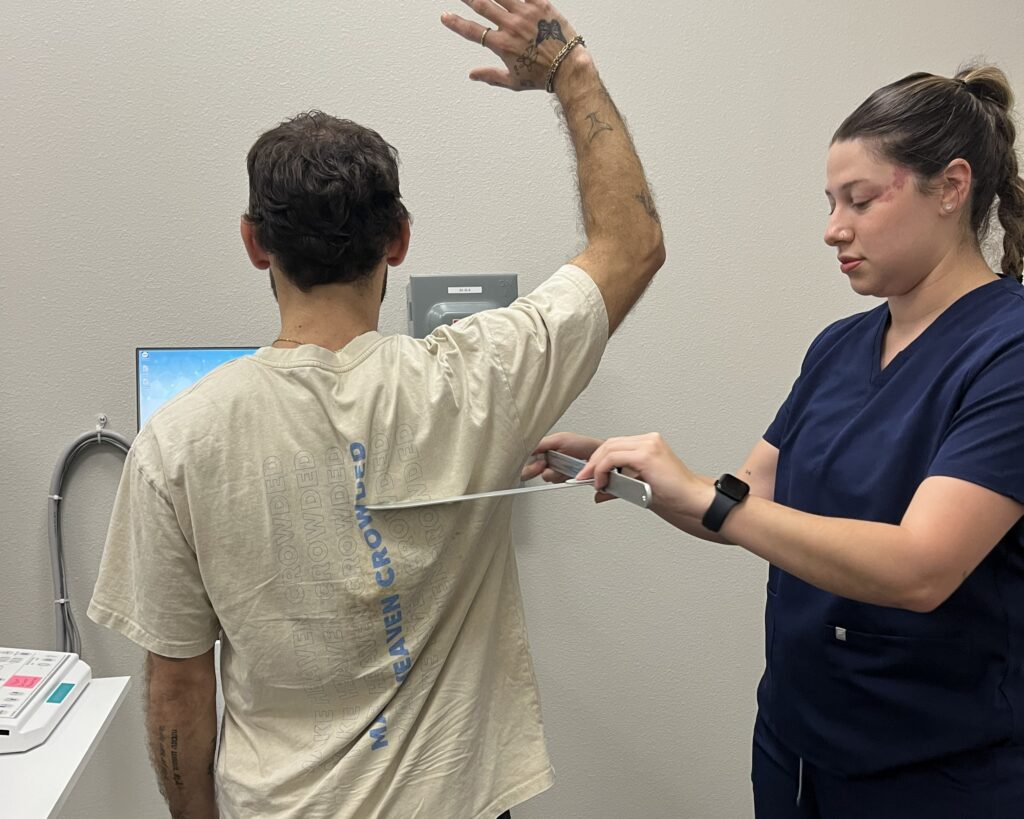

Ignoring chiropractic adjustments can lead to ongoing spinal misalignments, which may heighten tension and stress throughout your body. When your spine is out of alignment, it can disrupt the function of your nervous system, making migraine symptoms worse. Regular chiropractic adjustments are essential for maintaining a healthy spine and encouraging your body’s natural healing processes.
So, what happens if you overlook this vital care? The effects could be more significant than you realize. Without proper adjustments, you may experience increased discomfort, more frequent headaches, or a greater likelihood of chronic pain.
To support your health and wellness, consider these tips:
- Stay Consistent: Make chiropractic visits a regular part of your wellness routine. Consistency helps to keep your spine aligned and your nervous system functioning optimally.
- Practice Good Posture: Be mindful of your posture while sitting, standing, and working. Good posture helps reduce strain on your spine and can alleviate tension.
- Incorporate Stretching: Gentle stretching can help maintain flexibility in your spine and muscles, which may aid in preventing misalignments.
- Stay Hydrated: Drinking plenty of water supports overall health and can help reduce headaches.
- Manage Stress: Find healthy ways to manage stress, such as yoga, meditation, or deep breathing exercises, which can lower tension in your body.
By prioritizing chiropractic care and these simple lifestyle adjustments, you can promote a healthier spine and potentially reduce the frequency and intensity of your migraines. Remember, taking care of your spine is a step towards achieving optimal health and well-being!
Key Takeaways
Ignoring chiropractic adjustments can lead to misalignments in your spine, which can increase tension and pain, potentially triggering migraines. When your spine isn’t aligned, it can affect your nervous system, making your migraines more frequent and intense.
Regular chiropractic adjustments are essential for relieving physical tension and reducing stress levels, both of which are often linked to migraine episodes. By maintaining proper spinal health, you support your body’s ability to heal naturally, which can ease migraine symptoms and shorten recovery time.
Chiropractic care is not just about alleviating pain; it’s about promoting overall well-being. Consistent adjustments help keep your body balanced and less susceptible to migraine triggers.
For those looking to manage migraine pain effectively, here are some simple tips:
- Stay hydrated: Drink plenty of water throughout the day to keep your body functioning optimally.
- Maintain good posture: Whether you’re sitting at a desk or using your phone, make sure your posture supports spinal health.
- Incorporate relaxation techniques: Practices like deep breathing or gentle stretching can help reduce stress and tension.
By prioritizing chiropractic care and these healthy habits, you can work towards a life with fewer migraines and better overall health.
Understanding Migraines: What Triggers Them?
When it comes to understanding migraines, it’s important to recognize that various triggers can set them off. Stress is one of the most common culprits; it can build up and lead to a debilitating headache. As a chiropractor, I often see how tension in the spine and surrounding muscles can exacerbate stress-related headaches, making it crucial to address both physical and mental stressors.
Changes in sleep patterns, whether it’s oversleeping or lack of rest, can also contribute to migraines. It’s important to maintain a consistent sleep schedule to promote overall wellness.
Additionally, environmental factors like bright lights, loud noises, or strong smells can trigger an episode, highlighting the importance of creating a calm and soothing environment.
Hormonal changes, especially in women, often play a significant role in migraines. Regular chiropractic adjustments can help balance the body and alleviate some of these hormonal fluctuations, contributing to better overall health.
Don’t overlook how weather changes can provoke a migraine too. Shifts in temperature or barometric pressure might affect your body in unexpected ways. Staying hydrated and maintaining a well-aligned spine can help your body adapt better to these changes.
By keeping a migraine diary, you can identify your personal triggers and gain valuable insights into your health. Understanding these factors empowers you to take control and potentially reduce the frequency and severity of your migraines.
Remember, regular chiropractic care can be a key tool in managing pain and promoting natural healing, so consider making it a part of your wellness routine. Embracing a healthier lifestyle, incorporating stretches, and practicing relaxation techniques can also provide significant relief.
Together, we can work towards achieving optimal health and well-being.
The Role of Diet in Managing Migraines
While you may not realize it, what you eat can significantly impact the frequency and intensity of your migraines. Certain foods can trigger attacks, while others may help alleviate your symptoms. As a chiropractor, I believe in the importance of a holistic approach to health, which includes paying attention to your diet.
Here are some key dietary factors to consider for managing migraines naturally:
- Hydration: Staying well-hydrated is crucial, as dehydration is a common migraine trigger. Aim to drink plenty of water throughout the day to keep your body functioning optimally.
- Caffeine: Caffeine can have mixed effects. For some, it can provide relief, but for others, it may trigger a headache. Keep track of how your body responds to caffeine and adjust your intake accordingly.
- Processed Foods: Foods high in preservatives, MSG, and artificial sweeteners can lead to migraines. Focus on whole, natural foods that nourish your body and support your overall health.
- Regular Meals: Skipping meals can lead to drops in blood sugar, which might trigger headaches. Try to eat balanced meals at regular intervals to maintain steady energy levels.
In addition to dietary adjustments, chiropractic care can play a vital role in managing migraines. By aligning your spine and improving nervous system function, chiropractic adjustments can help reduce the frequency and severity of headaches.
Incorporating these dietary tips along with regular chiropractic care can be a powerful combination for achieving optimal health and wellness. Remember, your body responds best to a natural, holistic approach!
Sleep Hygiene: The Impact of Rest on Migraine Frequency
Quality sleep is crucial for managing migraines, as insufficient rest can worsen symptoms and trigger attacks. Many people may not realize that poor sleep hygiene can create a cycle where migraines become more frequent and intense. One effective way to combat this is by establishing a consistent sleep schedule, which helps regulate your body’s internal clock, making it easier to fall asleep and wake up feeling refreshed.
In addition to a regular sleep routine, creating a calming bedtime ritual can signal to your body that it’s time to relax. Limiting screen time before bed is essential, as the blue light emitted from devices can hinder your ability to drift off. A cool, dark, and quiet sleep environment is ideal for enhancing the quality of your sleep.
Also, be mindful of your diet in the evening; avoiding caffeine and heavy meals close to bedtime can help ensure uninterrupted rest.
As a chiropractor, I emphasize the importance of overall wellness for managing pain, including migraines. Prioritizing quality sleep can significantly impact your health and reduce the likelihood of migraine attacks. By ensuring your body is well-rested, you can better handle daily challenges and feel empowered in your wellness journey.
Stress Management Techniques for Migraine Relief
Managing stress is crucial for reducing the frequency and intensity of migraines, and chiropractic care can play a significant role in this process. By focusing on spinal health and overall wellness, you can alleviate tension and promote relaxation in your body.
Incorporating mindfulness meditation and breathing exercises can be beneficial, as they help calm the mind and reduce stress levels. Additionally, regular physical activity, particularly exercises that focus on strengthening your back and neck, can enhance your spinal health and overall well-being.
Remember, chiropractic adjustments not only help relieve pain but also promote better nervous system function, which can further aid in managing stress and preventing migraines. By prioritizing your spinal health through chiropractic care, you can regain control over your wellness and enjoy a more balanced life.
Here are some simple tips to support your journey:
- Make time for daily mindfulness practices; even a few minutes can make a difference.
- Incorporate gentle stretches or yoga to relieve tension in your neck and shoulders.
- Stay active with regular walks or low-impact exercises to keep your body moving and your spine healthy.
Mindfulness Meditation Practices
Migraines can significantly impact your daily life, but there are natural ways to find relief and enhance your overall well-being. One effective approach is incorporating mindfulness meditation practices into your routine, which can help reduce stress and tension that may trigger migraines. Additionally, chiropractic care can play a vital role in supporting your body’s natural ability to heal and function optimally.
Here are some mindfulness meditation practices that you can easily integrate into your daily life:
- Body Scan: Take a moment to focus on each part of your body, consciously relaxing any areas of tension. This practice can help you become more aware of physical discomfort and promote relaxation.
- Guided Imagery: Imagine yourself in a peaceful setting, such as a serene beach or a tranquil forest. This visualization can provide a mental escape from stress and anxiety that may contribute to migraines.
- Mindful Breathing: Concentrate on your breath, taking deep inhalations and slow exhalations. This simple technique can help calm your mind and reduce stress levels, making it easier to manage pain.
- Gratitude Journaling: Keep a journal where you write down things you’re grateful for each day. Focusing on positive aspects of your life can shift your mindset away from pain and negativity.
In addition to these mindfulness practices, regular chiropractic care can be a powerful ally in managing migraines. Chiropractic adjustments can help align the spine, remove nerve interference, and promote better overall function of the nervous system.
Many patients find that consistent chiropractic care not only alleviates migraine pain but also enhances their overall health and wellness.
Breathing Exercises Benefits
Breathing exercises can be a powerful tool for relieving stress and managing migraines, complementing the benefits of chiropractic care. By focusing on your breath, you create a sense of calm that can help reduce the frequency and intensity of your migraines. Deep breathing techniques lower your heart rate and blood pressure, promoting relaxation in both your mind and body, which is essential for maintaining a healthy spine and overall wellness.
When your body is relaxed, it can counteract the tension that often triggers migraines. Just a few minutes of controlled breathing can shift your focus away from pain and anxiety, allowing you to regain control over your well-being. Adding these exercises to your daily routine can improve your overall health and enhance your ability to manage stress, providing significant relief from those debilitating migraine episodes.
As a chiropractor, I encourage you to integrate breathing exercises with regular chiropractic adjustments. This combination supports your spine’s health, improves nervous system function, and promotes a balanced state of mind. Remember, a healthy spine is the foundation for overall health, and by practicing deep breathing and seeking chiropractic care, you can achieve a more resilient and pain-free life.
Here are some simple breathing techniques you can try:
- Diaphragmatic Breathing: Sit or lie down comfortably. Place one hand on your chest and the other on your belly. Inhale deeply through your nose, allowing your belly to rise while keeping your chest still. Exhale slowly through your mouth. Repeat for a few minutes.
- Box Breathing: Inhale for a count of four, hold for four, exhale for four, and hold again for four. Repeat this cycle several times to enhance relaxation.
- Mindful Breathing: Find a quiet space and focus solely on your breath. Notice the sensation of air entering and leaving your body. If your mind wanders, gently bring your focus back to your breath.
Incorporate these tips into your daily routine to enhance your health naturally alongside chiropractic care, and you’ll find a greater sense of well-being and relief from migraines.
Physical Activity Recommendations
Incorporating regular physical activity into your routine can be a powerful way to reduce stress and manage migraine triggers. As a chiropractor, I firmly believe in the benefits of natural healing through movement and exercise. Engaging in physical activity not only releases endorphins—your body’s natural pain relievers—but also promotes overall wellness and can enhance your spinal health.
Here are some effective strategies to help you get started:
- Opt for low-impact activities: Gentle exercises like walking, swimming, or cycling can be beneficial without putting too much strain on your body. These activities aren’t only easier on your joints but also help maintain spinal alignment.
- Establish a consistent routine: Aim to engage in physical activity for at least 150 minutes each week. This can be broken down into manageable sessions, making it easier to fit into your busy life while supporting your body’s natural healing processes.
- Tune into your body: It’s important to pay attention to how exercise affects your migraines and overall well-being. If you notice any discomfort or changes, consult with your chiropractor to adjust your routine for optimal results.
- Incorporate relaxation techniques: Activities like yoga or tai chi not only provide physical benefits but also promote relaxation and mindfulness. These practices can enhance your stress relief and support your spinal health.
Prioritizing physical activity as part of your wellness journey can lead to significant improvements in managing migraines and enhancing your overall health.
The Importance of Hydration: How Dehydration Affects Migraines
When you overlook the importance of staying hydrated, you may be setting yourself up for more frequent and intense migraine attacks. Dehydration can be a significant trigger for headaches, making it crucial to keep your body well-hydrated. Water is essential for maintaining proper blood flow and delivering nutrients, which are vital for your brain to function optimally. Even mild dehydration can lead to headaches, so it’s important to drink enough fluids throughout the day.
As a local chiropractor, I encourage you to listen to your body. If you feel thirsty, don’t delay—hydrate! Aim for at least eight glasses of water daily, and increase your intake if you’re active or in hot weather. Keep an eye out for signs of dehydration, such as dry mouth or fatigue, as these signals indicate your body needs more fluids.
By prioritizing hydration, you create a healthier environment for your brain, which may help reduce the frequency and severity of your migraine episodes. Additionally, maintaining proper hydration supports overall spinal health and wellness, which is integral to chiropractic care.
Incorporating hydration into your daily routine is a simple yet effective method to enhance your well-being. Remember, chiropractic care can also play a vital role in managing pain and promoting natural healing.
Stay hydrated, and you might discover an overall sense of relief and wellness!
Creating a Migraine-Friendly Environment
Creating a migraine-friendly environment can significantly improve your quality of life, especially when combined with the benefits of chiropractic care. By making a few simple adjustments at home or work, you can create a space that helps reduce migraine triggers and promotes a sense of well-being. Here are some helpful tips to consider:
- Control lighting: Opt for soft, natural light or use lamps with dimmers. Bright, harsh fluorescents can be overwhelming, so creating a gentle lighting environment can help ease tension and discomfort.
- Reduce noise: Noise can be a major trigger for migraines. Consider soundproofing your space or using white noise machines to help create a peaceful atmosphere that minimizes disruptive sounds.
- Maintain a comfortable temperature: A cooler environment can be beneficial, as heat often exacerbates migraine symptoms. Make sure your space is well-ventilated and at a comfortable temperature.
- Declutter your space: A tidy environment can reduce stress and distractions. Keeping your area organized contributes to a calmer atmosphere, which is essential for overall wellness.
By implementing these changes, you can create a supportive space that complements the natural healing benefits of chiropractic care.
Remember, chiropractic adjustments can help align your spine and improve your overall health, which may further reduce the frequency and severity of migraines.
Taking proactive steps to manage your environment is a powerful way to enhance your journey toward optimal health and wellness.
The Connection Between Physical Activity and Migraine Reduction
If you’re dealing with migraines, adding regular physical activity to your daily routine could be a transformative step towards relief. Exercise not only helps reduce the frequency and intensity of headaches but also promotes overall wellness, which is essential for managing migraines effectively.
As a chiropractor, I want to emphasize the importance of maintaining a healthy spine and nervous system, as they play a crucial role in how your body responds to pain, including migraines. Here are some tips to help you incorporate physical activity into your lifestyle while also supporting your spinal health:
- Start Slow: If you’re new to exercise, begin with gentle activities like walking or stretching. Gradually increase the intensity as your body adjusts.
- Focus on Posture: When exercising, pay attention to your posture. Keeping your spine aligned during physical activity can help prevent additional tension that might trigger a migraine.
- Incorporate Stretching: Regular stretching can relieve muscle tightness in your neck and shoulders, which are often culprits for migraine pain.
- Stay Hydrated: Dehydration can trigger migraines, so make sure to drink plenty of water before, during, and after your workouts.
- Listen to Your Body: If you notice that certain activities seem to trigger your headaches, it may be helpful to modify or avoid them. Always consult with your chiropractor for personalized advice.
- Chiropractic Care: Regular chiropractic adjustments can enhance your overall well-being and help maintain proper spinal alignment, reducing the likelihood of migraines.
By embracing physical activity and prioritizing your spinal health, you may find a significant reduction in migraine symptoms.
Exercise and Migraine Relief
While you may not initially consider exercise as a solution for migraines, incorporating regular physical activity into your lifestyle can significantly decrease their frequency and severity.
As a local chiropractor, I want to emphasize how exercise, when combined with the benefits of chiropractic care, can promote natural healing and overall wellness.
Here are some key advantages of exercise that may help ease migraine symptoms:
- Enhanced Blood Flow: Exercise improves circulation, which increases oxygen delivery to the brain. This can help alleviate pressure and discomfort associated with migraines.
- Natural Pain Relief: Physical activity boosts endorphin production—your body’s natural pain relievers. This not only helps reduce pain but can also uplift your mood, creating a more positive outlook.
- Stress Management: Regular exercise is an excellent way to manage stress and anxiety, both of which are common triggers for migraines. Incorporating stress-relief techniques, like yoga or stretching, can further enhance these benefits.
- Improved Sleep Quality: Engaging in physical activity helps to regulate your sleep patterns, ensuring you get restorative rest. Quality sleep is crucial for preventing migraines, as irregular sleep can often trigger episodes.
In addition to exercising, consider integrating chiropractic care into your wellness routine. Chiropractic adjustments can help align your spine, relieve tension, and improve your body’s overall functioning, which can further support migraine relief.
Here are some practical tips to incorporate exercise and chiropractic care into your life:
- Start Slow: If you’re new to exercise, begin with gentle activities like walking or stretching, and gradually increase the intensity.
- Stay Consistent: Aim for at least 30 minutes of physical activity most days of the week. Consistency is key for long-term benefits.
- Listen to Your Body: Pay attention to how your body reacts to exercise. If you notice increased migraine symptoms, consult with your chiropractor for personalized advice.
- Combine Therapies: Consider pairing your exercise routine with regular chiropractic visits to maximize the benefits of both approaches.
Importance of Regular Movement
Regular movement is a vital component in managing migraines and enhancing your overall health. As a chiropractor, I understand the importance of maintaining a healthy spine and body to support optimal wellness. Engaging in physical activity increases blood circulation, promotes spinal health, and releases endorphins—natural pain relievers that can help alleviate migraine discomfort and elevate your mood.
You don’t have to run marathons or engage in intense workouts to reap the benefits. Simple activities like brisk walking, gentle yoga, or even dancing can make a significant difference in your well-being. Aim for at least 30 minutes of moderate exercise most days of the week. The key here is consistency—making movement a part of your daily routine not only assists in managing migraines but also promotes better spinal alignment and overall wellness.
In addition to physical activity, incorporating regular chiropractic adjustments can further enhance your health journey. Chiropractic care focuses on aligning your spine and nervous system, which can help reduce tension and stress—two common migraine triggers.
Monitoring Your Menstrual Cycle: Hormonal Triggers of Migraines
Understanding your menstrual cycle is crucial for identifying hormonal triggers of migraines, and it can also be beneficial for your overall health and wellness. By keeping track of your cycle, you can discover when hormonal changes may lead to headaches, allowing you to take proactive steps in managing your migraines naturally.
Here are some key points to consider:
- Menstrual Phase: Many women report experiencing migraines just before or during their period. This is often due to dropping estrogen levels. Paying attention to this phase can help you anticipate and manage potential discomfort.
- Ovulation: Some find that migraines occur around ovulation, which is linked to rising estrogen levels. Recognizing this pattern may help you prepare and find ways to alleviate symptoms.
- Hormonal Birth Control: If you use hormonal birth control, be aware that changes in hormone levels can either trigger or relieve migraines depending on the individual. It’s important to monitor how your body reacts and discuss any concerns with your chiropractor.
- Lifestyle Factors: Don’t forget that stress, diet, and sleep patterns during your cycle can also influence the occurrence of migraines. Incorporating chiropractic adjustments can help reduce tension in your body, improve your sleep, and promote overall wellness.
As a chiropractor, I encourage you to explore natural healing methods to manage pain and enhance your well-being. Here are some general tips to consider:
- Stay Hydrated: Drink plenty of water throughout your cycle to stay hydrated, which can help reduce the severity of headaches.
- Regular Adjustments: Regular chiropractic care can help alleviate tension in your spine and neck, which may contribute to migraine pain.
- Practice Stress Management: Incorporate relaxation techniques such as deep breathing, yoga, or meditation to help manage stress levels.
- Maintain a Healthy Diet: Eating a balanced diet rich in whole foods can support hormone balance and overall health.
- Prioritize Sleep: Aim for consistent sleep patterns to ensure your body is well-rested and better equipped to handle hormonal changes.
By paying attention to your menstrual cycle and incorporating chiropractic care into your routine, you can take significant steps toward achieving optimal health and reducing migraine occurrences naturally.
The Effect of Caffeine: A Double-Edged Sword
Caffeine can play a complex role in managing migraines—acting both as a potential ally and an adversary. On one side, it has the ability to constrict blood vessels, which may help alleviate headache pain. This is why you might find caffeine included in some migraine relief treatments. When consumed in moderation, it can potentially enhance your overall wellness strategy.
However, it’s important to tread carefully. Over-reliance on caffeine can lead to dependency, and if you suddenly cut back, it might trigger migraines or make existing ones worse. This could lead to a frustrating cycle of pain. Additionally, some caffeinated beverages, especially energy drinks, may have other ingredients that could aggravate your symptoms.
The key is to find the right balance. Pay close attention to how caffeine affects your body and your migraines. By doing so, you can make informed choices that support your health and wellness journey.
As a chiropractor, I encourage you to consider natural approaches to managing migraines and overall wellness. Chiropractic care can provide effective pain relief and promote healing without the need for medications. Regular chiropractic adjustments can help address misalignments in the spine that may contribute to headaches, leading to improved function and reduced pain.
Incorporating healthy habits into your daily routine can also be beneficial. Staying hydrated, maintaining a balanced diet, and managing stress through techniques like yoga or meditation can all support your well-being and may help reduce the frequency and severity of migraines.
Keeping a Migraine Diary: Tracking Patterns and Triggers
Keeping a migraine diary can be an invaluable tool for those seeking to manage their migraines more effectively. By consistently recording your experiences, you can identify potential triggers and gain a better understanding of your symptoms. This knowledge is crucial, as it allows you to make informed choices about your health and wellness.
As a chiropractor, I believe in the power of natural healing and the body’s ability to maintain balance. Tracking your migraines can reveal patterns that may correlate with spinal misalignments or tension in your body. For example, you might notice that certain activities or stressors lead to increased discomfort. By sharing this information with your chiropractor, you can work together to address underlying issues and develop a tailored plan for relief.
Here are some simple tips to get you started on your migraine diary journey:
- Record Consistently: Write down your symptoms, triggers, and any relieving factors each time you experience a migraine. Consistency helps you see trends over time.
- Note Your Lifestyle: Include details about your diet, sleep patterns, stress levels, and physical activities. These factors can significantly impact your spinal health and overall well-being.
- Pay Attention to Posture: Many migraines can be linked to poor posture, especially if you spend long hours working at a desk. Take breaks to stretch and adjust your posture regularly.
- Chiropractic Check-ups: Regular visits to a chiropractor can help maintain spinal alignment and reduce tension, which may alleviate migraine symptoms. Discuss your diary findings with your chiropractor for personalized care.
- Hydration and Nutrition: Ensure you’re drinking enough water and eating a balanced diet. Dehydration and certain foods can trigger migraines for some people.
By employing these strategies and keeping a detailed migraine diary, you can empower yourself on your journey to better health. Chiropractic care focuses on natural approaches to pain relief, and together, we can work towards achieving optimal wellness without the need for invasive procedures or medications.
Identifying Triggers Effectively
Tracking your migraines in a diary might seem like a chore, but it can significantly enhance your understanding of potential triggers and help you manage your discomfort more effectively.
As a chiropractor, I believe that recognizing these patterns is essential for achieving optimal health and wellness. By documenting your experiences, you can uncover insights that will empower you to take control of your health naturally.
Here are some valuable elements to include in your diary:
- Food Intake: Write down everything you eat and drink. This can help you spot dietary triggers that may be contributing to your migraines. Remember, a balanced diet is crucial for overall well-being, and chiropractic care can support your digestive health as well.
- Sleep Patterns: Keep track of your sleep quality and duration. Irregular sleep can play a significant role in migraine occurrences. Prioritizing good sleep hygiene can’t only reduce migraines but also enhance your body’s natural healing processes.
- Stress Levels: Document your daily stressors and how they relate to your migraines. Stress management is vital, and chiropractic adjustments can help alleviate physical tension in your body, making it easier to cope with everyday stressors.
- Weather Changes: Observe any changes in the weather and their potential connection to your migraines. While we can’t control the weather, understanding its impact can help you prepare better and potentially seek chiropractic care to address any tension that arises during these changes.
By maintaining this diary, you’ll not only gain insight into your migraine triggers but also highlight how chiropractic care can assist in your journey toward natural healing and improved health.
Recording Symptoms Consistently
How can consistently recording your migraine symptoms lead to better management? As a chiropractor, I believe that understanding your body’s unique patterns is essential for achieving optimal health. Keeping a migraine diary is a powerful tool that can help you pinpoint triggers and identify strategies for relief. By simply noting down your symptoms, you can discover what might be causing your pain and what actions may alleviate it. This practice not only empowers you but also provides valuable insights that can complement your chiropractic care.
Here’s a simple template to help you get started:
| Date | Symptoms Experienced | Notes |
|---|---|---|
| 2023-10-01 | Throbbing pain, nausea | Triggered after wine and cheese |
| 2023-10-02 | Sensitivity to light | Felt better after resting in dark |
| 2023-10-03 | Dizziness, fatigue | Stressful day at work |
| 2023-10-04 | Mild headache | Relieved by hydration |
Recording your symptoms can reveal patterns over time. For instance, you might notice that certain foods, stress levels, or environmental factors consistently lead to migraines. This awareness allows you to make informed lifestyle changes that can help reduce the frequency and intensity of your migraines.
In addition to keeping a diary, consider incorporating chiropractic care into your wellness routine. Chiropractors focus on the alignment of your spine and nervous system, which can greatly impact your overall health, including how your body handles pain. Regular adjustments may help alleviate tension and promote natural healing, potentially reducing the occurrence of migraines.
Here are some general tips to help manage migraines naturally:
- Stay hydrated: Dehydration can trigger headaches, so make sure you’re drinking enough water throughout the day.
- Maintain a consistent sleep schedule: Quality sleep is essential for overall health. Try to go to bed and wake up at the same time each day.
- Practice stress-relief techniques: Activities like yoga, meditation, and deep breathing exercises can help manage stress and reduce the likelihood of migraines.
- Keep a balanced diet: Eating regular, nutritious meals can help stabilize your blood sugar and potentially prevent headaches.
Analyzing Patterns Over Time
By consistently tracking your migraine symptoms, you can discover important patterns and triggers that might otherwise be overlooked. This insightful practice can lead to better management of your condition and support your journey towards natural wellness. Here’s what you can focus on in your migraine diary:
- Frequency: Keep a log of how often you experience migraines. This can help you identify any recurring patterns.
- Duration: Note how long each migraine lasts to understand the impact on your daily life.
- Intensity: Rate the severity of your migraines on a scale of 1 to 10, which can help you communicate more effectively about your experience.
- Possible Triggers: Identify potential triggers such as certain foods, stress levels, or changes in weather.
By analyzing this data over time, you can start to recognize correlations that may point to underlying issues. This is where chiropractic care can be particularly beneficial. Chiropractors focus on spinal health and how it relates to overall well-being. Misalignments in the spine can contribute to tension and discomfort, potentially exacerbating migraine symptoms.
Discussing your findings with your chiropractor can lead to tailored adjustments and techniques aimed at alleviating your pain naturally. Chiropractic care emphasizes a holistic approach to health, helping to restore balance and improve your body’s function, which can be a key factor in reducing the frequency and intensity of migraines.
In addition to working with your chiropractor, here are a few general tips for managing migraines:
- Stay Hydrated: Drink plenty of water throughout the day to help reduce the risk of dehydration, which can trigger migraines.
- Maintain a Regular Sleep Schedule: Consistent sleep patterns can help regulate your body and may minimize migraine occurrences.
- Practice Relaxation Techniques: Incorporate methods like deep breathing, meditation, or yoga into your routine to manage stress effectively.
- Keep a Healthy Diet: Focus on balanced meals that include whole foods, as certain foods can trigger migraines for some individuals.
Conclusion
Ignoring chiropractic adjustments can lead to unresolved spinal misalignments, which can increase tension and make your migraines worse. Regular chiropractic care is essential for promoting spinal health and supporting your body’s natural healing abilities. By prioritizing these adjustments, you can help alleviate the frequency and intensity of your migraine episodes.
Taking charge of your well-being starts with incorporating chiropractic care into your migraine management plan. Here are some simple tips to enhance your health:
- Schedule Regular Adjustments: Consistency is key. Make chiropractic visits a regular part of your routine to keep your spine aligned and your body functioning optimally.
- Practice Good Posture: Maintain proper posture while sitting and standing to reduce strain on your spine. This can help minimize tension that may lead to migraines.
- Stay Hydrated: Drink plenty of water throughout the day. Dehydration can trigger migraines, so keeping hydrated is an easy way to nurture your body.
- Manage Stress: Engage in relaxation techniques such as deep breathing, yoga, or meditation. Reducing stress can significantly lower the chances of migraine onset.
- Get Enough Sleep: Aim for a consistent sleep schedule. Poor sleep can contribute to migraines, so prioritize restful sleep every night.
By adopting these practices and prioritizing chiropractic care, you can significantly reduce the severity of your migraine symptoms and enhance your overall quality of life. Remember, taking care of your spine is taking care of your health!