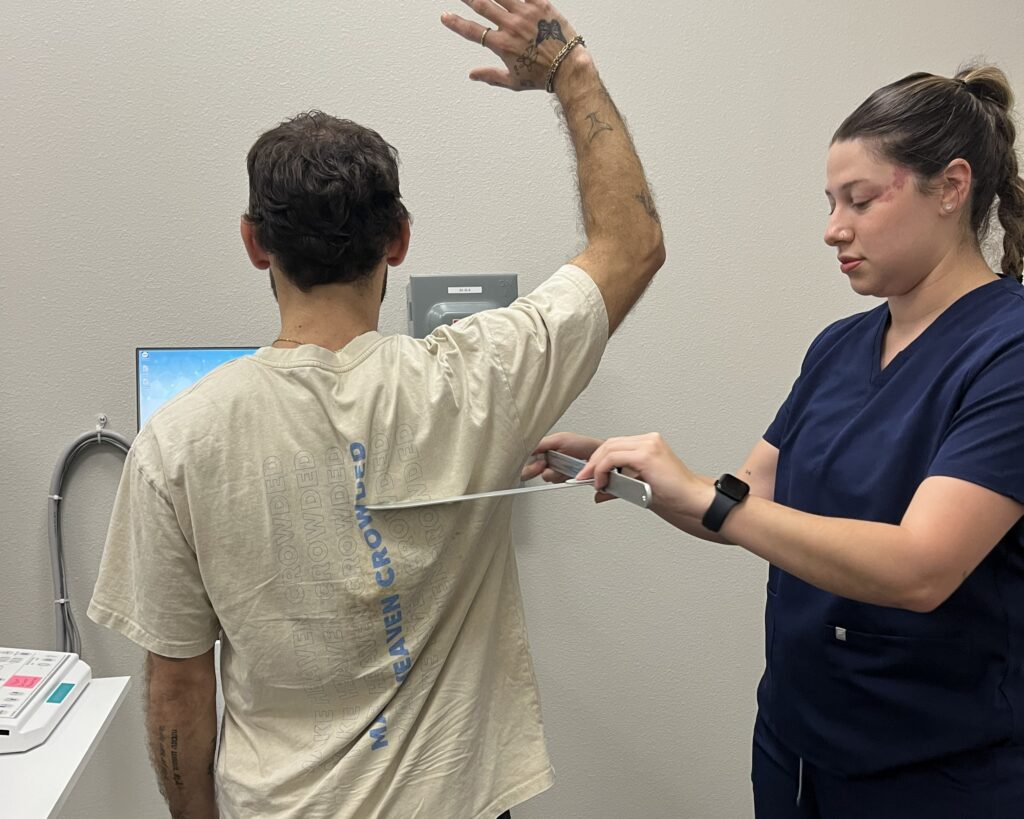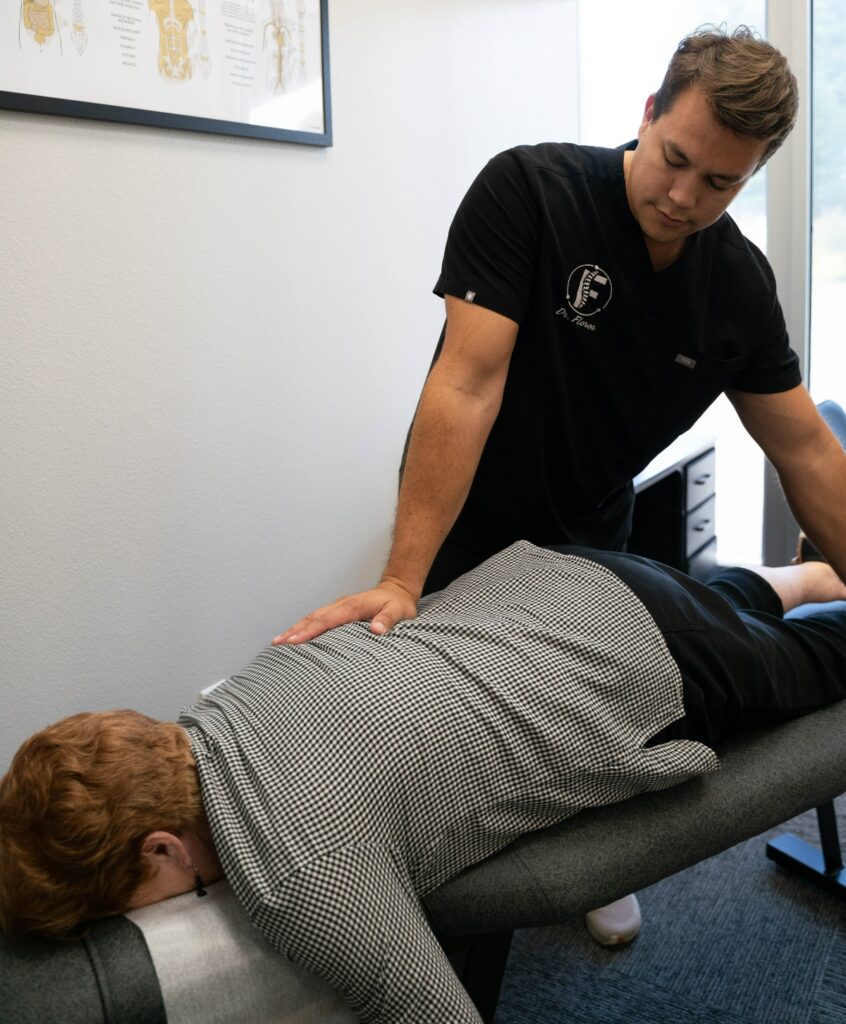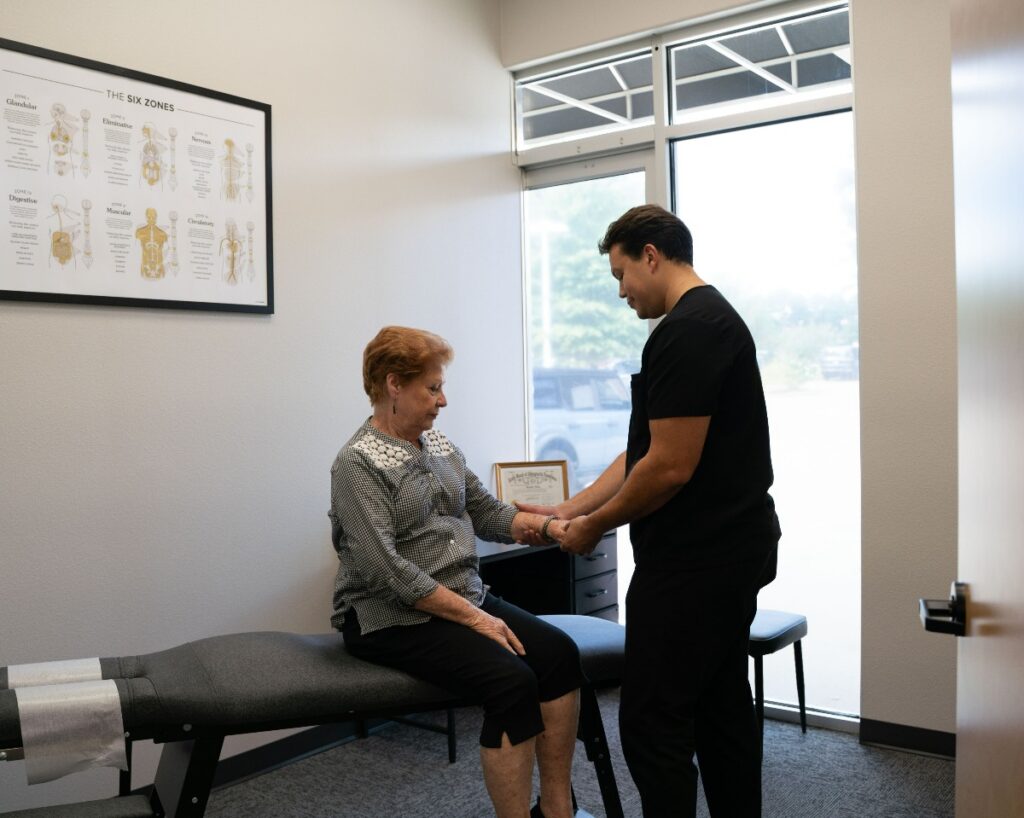

If you’re experiencing back pain, know that you’re not alone. Many individuals face discomfort that can interfere with their daily activities. The good news is that there are effective, non-invasive solutions available, with chiropractic care standing out as a top choice for relief. By understanding the underlying causes of your pain and exploring the benefits of chiropractic adjustments, you can take significant steps toward recovery and improved well-being.
Chiropractic care focuses on the spine and its impact on the nervous system, which is crucial for overall health. When the spine is misaligned, it can lead to discomfort and a host of other issues. A chiropractor can help restore proper alignment, alleviating pain and promoting natural healing.
In addition to chiropractic adjustments, incorporating mindfulness practices, such as deep breathing and meditation, can enhance your healing journey. These techniques not only help manage pain but also reduce stress, which is often a contributing factor to discomfort.
To create a thorough plan for relief, consider implementing the following strategies:
- Regular Chiropractic Visits: Schedule routine check-ups with your chiropractor to maintain spinal health and prevent future issues.
- Posture Awareness: Be mindful of your posture throughout the day. Proper alignment while sitting, standing, and lifting can significantly reduce strain on your back.
- Stay Active: Engage in low-impact exercises such as walking, swimming, or yoga. These activities can strengthen your back muscles and improve flexibility.
- Ergonomic Adjustments: Set up your workspace to support your spine. Use chairs that provide good lumbar support and take breaks to stretch.
- Mindfulness and Relaxation: Incorporate relaxation techniques into your daily routine to help manage stress and tension in the body.
By focusing on these strategies and prioritizing chiropractic care, you can pave the way to a healthier, pain-free life. Remember, your spine plays a vital role in your overall health, and maintaining its alignment is key to achieving optimal wellness.
Understanding the Causes of Back Pain
Back pain can arise from many different sources, and understanding these causes is crucial for finding effective relief. One common issue is poor posture, particularly when sitting for extended periods. This can put unnecessary strain on your back muscles and ligaments, leading to discomfort and pain over time. Remember to check your posture regularly—keeping your spine aligned can make a big difference!
Improper lifting techniques can also lead to back pain. Always lift with your legs rather than your back, and avoid twisting your body while carrying heavy objects to prevent injury.
Sports injuries or accidents can result in sudden, acute back pain, while ongoing issues might stem from conditions like arthritis or herniated discs. Stress can contribute to muscle tension, making your back feel even worse. Finding ways to manage stress—like deep breathing exercises or gentle stretching—can help alleviate some of that tension.
Don’t forget that lifestyle choices play a significant role in back health. A sedentary lifestyle or being overweight can add extra strain to your spine. Incorporating regular physical activity and maintaining a healthy weight can be incredibly beneficial. Simple exercises like walking, swimming, or yoga can strengthen your back muscles and improve your overall health.
Identifying the specific cause of your back pain is essential for finding the right approach to relief. That’s where chiropractic care comes in. Chiropractors specialize in understanding your spine and its role in your overall health. A chiropractor can help assess your condition, provide targeted adjustments, and guide you in exercises that promote healing and strengthen your back.
The Benefits of Physical Therapy
If you’re experiencing back pain, chiropractic care can be a transformative step in your recovery journey. Chiropractic adjustments help restore proper alignment to your spine, which is essential for optimal function and healing. You’ll receive personalized care tailored to your unique needs, allowing you to regain strength and flexibility effectively.
Chiropractors focus on teaching you proper body mechanics to reduce the risk of future injuries. You’ll learn how to lift, bend, and move in ways that support your spine, which can significantly improve your daily activities and overall quality of life.
In addition to spinal adjustments, chiropractors may use various natural methods to alleviate pain and inflammation, such as gentle stretches and exercises designed to enhance your mobility.
As you progress with chiropractic care, you’ll likely notice improved posture and a greater ability to manage your pain naturally.
Overall, chiropractic care equips you with the tools and knowledge necessary for long-term back health and a more active lifestyle.
Chiropractic Care for Spinal Health
Chiropractic care is essential for keeping your spine healthy and preventing future problems. By prioritizing the alignment of your spine, we, as chiropractors, can help ease your pain and boost your mobility. Regular chiropractic adjustments can enhance your body’s natural healing abilities, reduce tension, and promote your overall well-being.
When you come to see us, we’ll take a close look at your posture, flexibility, and spinal alignment. From there, we’ll develop a personalized plan tailored to your unique needs. These adjustments do more than just relieve discomfort—they also improve the function of your nervous system. A healthier spine can lead to better sleep, more energy, and a more active lifestyle.
Incorporating chiropractic care into your daily routine can also help you avoid future injuries and keep your body in peak condition. Whether you’re struggling with chronic pain or simply want to maintain your health, chiropractic care is an excellent choice for achieving optimal wellness. By trusting a skilled chiropractor, you can take control of your spinal health and overall well-being.
Here are some simple tips for maintaining spinal health at home:
- Practice good posture while sitting and standing to reduce strain on your spine.
- Engage in regular physical activity to keep your muscles strong and flexible.
- Stay hydrated and eat a balanced diet to support your overall health.
- Take breaks if you sit for long periods; try gentle stretches to relieve tension.
- Consider incorporating relaxation techniques, like yoga or deep breathing, to reduce stress.
Mindfulness and Stress Reduction Techniques
To effectively manage back pain and enhance your overall well-being, incorporating mindfulness and stress reduction techniques into your daily routine can be incredibly beneficial. As a chiropractor, I often see how stress and anxiety can contribute to pain and discomfort in the spine. Practices like meditation, deep breathing, and progressive muscle relaxation can help you focus on the present moment, alleviating the tension that often exacerbates back pain.
Start by dedicating just a few minutes each day to practice mindfulness. Find a quiet space, close your eyes, and concentrate on your breath. As thoughts arise, allow them to come and go without judgment. This simple exercise can help cultivate a sense of calm, which is essential for managing pain and achieving optimal health.
In addition to mindfulness, gentle activities such as yoga or tai chi can be excellent complements to your chiropractic care. These practices not only promote flexibility and strength but also encourage relaxation, which is vital for a healthy spine.
By incorporating these techniques into your wellness routine, you can create a more balanced mental state, leading to reduced pain and improved overall health.
Remember, chiropractic care is a natural and effective way to address pain and promote wellness. By combining chiropractic adjustments with mindfulness and gentle movement practices, you’re taking a holistic approach to your health that can lead to long-lasting results.
Prioritize your well-being and embrace these strategies to support a healthier, pain-free life.
The Importance of Ergonomic Adjustments
Adjusting your workspace can make a world of difference in how you feel throughout the day. As a chiropractor, I see so many patients who experience discomfort due to improper workspace ergonomics.
By optimizing your workspace design and ensuring proper seating support, you can significantly reduce strain on your back and neck, which are common areas of discomfort.
Here are some simple tips to help you create a more ergonomic workspace:
- Chair Height: Your chair should allow your feet to rest flat on the ground. If your feet dangle, consider using a footrest. Your knees should be at a 90-degree angle or slightly lower than your hips.
- Monitor Position: Your computer monitor should be at eye level and about an arm’s length away. This helps to reduce neck strain and keep your spine aligned.
- Keyboard and Mouse: Keep your keyboard and mouse close enough so that you can use them comfortably without reaching. Your elbows should be close to your body and form an angle between 90 and 120 degrees.
- Take Breaks: Remember to take regular breaks to stand, stretch, and move around. This helps keep your body engaged and can prevent stiffness and soreness.
- Practice Good Posture: Sit up straight with your back against the chair and your shoulders relaxed. Good posture plays a significant role in spinal health.
By making these ergonomic adjustments, you can enjoy significant relief from discomfort and support your overall wellness.
Chiropractic care can further assist in optimizing your spinal health and alleviating pain naturally. If you’re experiencing ongoing discomfort, consider visiting a chiropractor for a personalized assessment and treatment plan.
Embracing these changes can lead to a healthier, pain-free lifestyle!
Workspace Design Optimization
Many people underestimate how much their workspace can affect their back health. As a local chiropractor, I want to emphasize that optimizing your environment with ergonomic adjustments can significantly alleviate discomfort and support your overall wellness.
Start by evaluating your desk height; it should allow your elbows to rest at a comfortable 90-degree angle. This helps maintain proper spinal alignment and reduces the risk of strain. Your computer screen should be at eye level to prevent unnecessary neck strain and promote a healthy posture.
A chair that supports your lower back is essential; it should encourage good posture and provide stability for your spine. Keep frequently used items within arm’s reach. This minimizes twisting and stretching, which can put additional stress on your back.
Remember, movement is key! Taking regular breaks to stand, stretch, and walk around can do wonders for your spine and help prevent discomfort.
By making these simple changes, you’ll create a workspace that not only supports your body but also enhances your productivity and overall well-being. If you’re experiencing persistent back pain, consider incorporating chiropractic care into your wellness routine.
Chiropractors focus on natural healing methods that can help align your spine, relieve pain, and promote a healthier lifestyle. Remember, your health is in your hands, and small adjustments can lead to significant improvements!
Proper Seating Support
Proper Seating Support for a Healthy Spine
As a chiropractor, I can’t emphasize enough how crucial the right seating support is for maintaining a healthy spine, especially if you find yourself spending long hours at your desk. Proper ergonomic adjustments can greatly enhance your comfort and overall well-being, and it’s essential to consider a few key factors to support your spine effectively.
First, invest in a chair that provides adequate support for your lower back. This will help promote the natural curve of your spine and reduce unnecessary strain. Adjust the chair height so that your feet rest flat on the floor, and ensure your knees are at a 90-degree angle. If you need extra support, consider using a cushion or lumbar roll to enhance your back support.
Next, it’s important to make sure your desk is at the right height. Your elbows should be at a comfortable angle, ideally around 90 degrees as well, to prevent tension in your shoulders and neck. If your desk is too high or too low, it can lead to discomfort and long-term issues.
Incorporating regular breaks into your routine is also vital. Stand up, stretch, and reset your posture every 30 to 60 minutes. This simple practice can help reduce stiffness and improve circulation, making a big difference in how you feel throughout the day.
By prioritizing proper seating support, you’ll not only reduce discomfort but also enhance your productivity.
Exercise and Strengthening for Back Support
To support your back and alleviate pain, it’s essential to focus on strengthening your core muscles, improving flexibility, and enhancing your posture. As a local chiropractor, I want to emphasize that these foundational elements can drastically affect your spinal health and overall well-being.
Incorporating specific exercises into your routine can lead to significant improvements in how your back feels, but it’s important to remember that chiropractic care is the most effective way to achieve long-term relief and optimal health.
Let’s explore some effective techniques that can help you achieve better back support while highlighting the importance of chiropractic care in your wellness journey.
1. Core Strengthening Exercises: A strong core provides stability for your spine. Simple exercises like planks, bridges, and pelvic tilts can be incredibly beneficial. However, consider visiting your chiropractor for personalized guidance to ensure you’re performing these exercises correctly and safely.
2. Flexibility and Stretching: Incorporating gentle stretching into your daily routine can enhance your flexibility and reduce tension in your back. Focus on stretches that target the lower back, hip flexors, and hamstrings. Your chiropractor can also provide specific stretches tailored to your individual needs.
3. Posture Awareness: Good posture is crucial for back health. Pay attention to your sitting and standing positions throughout the day. Consider ergonomic adjustments to your workspace to support a neutral spine.
Regular chiropractic adjustments can also help maintain proper alignment, making it easier for you to maintain good posture.
4. Regular Chiropractic Visits: One of the best ways to support your back health is to schedule regular visits with your chiropractor. We can help identify any underlying issues contributing to your pain and develop a personalized plan that includes adjustments, exercises, and lifestyle tips to keep your spine healthy.
5. Daily Movement: Engage in low-impact activities like walking or swimming to keep your body moving. Staying active helps maintain spinal health and overall well-being.
By focusing on these techniques and integrating chiropractic care into your routine, you can achieve better back support and enjoy a more pain-free life.
Core Muscle Strengthening
Strong core muscles play a vital role in maintaining a healthy back and preventing pain. By strengthening your core, you provide essential support for your spine, which can significantly reduce strain on your back muscles.
As a chiropractor, I encourage you to incorporate simple yet effective exercises into your routine, such as planks, bridges, and abdominal crunches. These movements specifically target your abdominal, oblique, and lower back muscles, helping to create a balanced and stable foundation for your body.
Aim to engage in core-strengthening exercises at least three times a week to notice meaningful improvements. Additionally, it’s important to be mindful of your core throughout your daily activities—whether you’re sitting, standing, or lifting. Practicing this awareness reinforces your core strength and stability, offering further protection for your back.
Incorporating chiropractic care into your wellness routine can also enhance your core strength and overall health. Regular chiropractic adjustments can improve your spinal function, which in turn supports your core muscles and helps alleviate back pain naturally.
As you prioritize building your core strength, remember that a strong core not only helps you resist back pain but also contributes to a better quality of life.
Flexibility and Mobility Exercises
Building core strength is an essential part of maintaining a healthy back, but it’s only one piece of the puzzle. To truly support your spine and enhance your overall well-being, it’s crucial to incorporate flexibility and mobility exercises into your routine.
These exercises not only help you maintain a full range of motion but also reduce stiffness and tension in your back. Here are four simple yet effective moves to get you started:
- Cat-Cow Stretch: This gentle movement encourages flexibility in your spine by alternating between flexion and extension. It’s a great way to warm up your back.
- Child’s Pose: This soothing stretch allows your back muscles to relax, promoting a sense of calm and reducing tension. It’s a perfect way to unwind after a long day.
- Hamstring Stretch: Keeping your hamstrings loose can significantly relieve pressure on your lower back. Simple stretches can make a big difference in your comfort.
- Hip Flexor Stretch: Tight hip flexors can contribute to back discomfort, so loosening them up can enhance your overall mobility and support your spine.
By regularly incorporating these exercises into your daily routine, you’ll likely notice improved comfort and functionality in your back.
Remember, chiropractic care is a fantastic way to enhance your health and wellness journey. As a chiropractor, I encourage you to explore how regular adjustments can complement your flexibility and mobility efforts, providing you with a holistic approach to pain relief and optimal health.
Embrace these practices, and take a step towards a healthier, happier you!
Posture Improvement Techniques
Your posture is more important than you might think—it plays a vital role in the health of your back. When you have poor posture, it can strain your muscles and lead to discomfort. Fortunately, by focusing on your posture and making some simple adjustments, you can find significant relief and enhance your overall well-being.
One of the best ways to support your spine is by strengthening your core. A strong core acts as a natural support system for your back. Incorporate exercises like planks and bridges into your routine to build stability and strength.
In addition to core exercises, pay close attention to how you sit and stand. When you’re standing, keep your shoulders back and your spine in a straight line. If you’re sitting, choose a chair that supports your lower back, and make sure your feet are flat on the ground.
It’s also a good idea to check in with your posture throughout the day. Small adjustments can lead to big changes, helping you maintain a pain-free back.
Chiropractic care is an excellent option for achieving optimal health and relieving pain naturally. Regular chiropractic adjustments can help align your spine, improve your posture, and promote overall wellness.
Alternative Therapies: Acupuncture and Massage
Alternative therapies like acupuncture and massage can provide some relief for those dealing with back pain, but when it comes to achieving optimal health and wellness, chiropractic care stands out as the best choice. Chiropractic treatment focuses on the spine and its role in overall health, addressing the root causes of pain rather than just the symptoms.
Here are some reasons why chiropractic care is an excellent option for managing back pain and enhancing your well-being:
- Pain Relief: Chiropractors use hands-on adjustments to realign the spine, which can alleviate pain and reduce muscle tension more effectively than acupuncture or massage alone.
- Improved Mobility: Regular chiropractic adjustments can enhance your range of motion and flexibility, helping you move more freely and comfortably in your daily activities.
- Stress Reduction: Chiropractic care not only helps with physical pain but also promotes relaxation and reduces stress levels, which can further alleviate tension in your muscles.
- Holistic Healing: Chiropractic care takes a whole-body approach, addressing not just the physical aspects of pain, but also supporting your overall health and emotional well-being.
Tips for Incorporating Chiropractic Care into Your Routine:
- Schedule regular chiropractic visits to maintain spinal health and prevent future issues.
- Combine chiropractic care with healthy lifestyle choices, such as staying active, eating a balanced diet, and managing stress through mindfulness or exercise.
- Pay attention to your posture throughout the day, especially if you sit for long periods, to minimize strain on your back.
Conclusion
Incorporating effective non-invasive solutions into your routine can significantly improve your approach to back pain relief. As a chiropractor, I believe that understanding the root causes of your discomfort is the first step towards healing. Chiropractic care stands out as one of the best choices for addressing back pain because it focuses on restoring proper alignment and function to the spine.
Embracing mindfulness and relaxation techniques can also play a vital role in your recovery. Learning to manage stress and tension can help reduce the strain on your back. Don’t overlook the importance of ergonomic adjustments in your workspace; making small changes to your chair, desk height, or computer screen can enhance your daily comfort and reduce strain.
Targeted exercises tailored to your specific needs are essential. Simple activities like stretching or strengthening exercises can improve your spinal health and provide lasting relief. Remember, prioritizing your well-being through these holistic methods not only alleviates pain but also promotes long-term health. By choosing chiropractic care, you’re investing in a natural path to wellness that allows you to live life to the fullest.
If you’re experiencing back pain, consider scheduling a consultation to explore how chiropractic adjustments can help restore your body’s balance and function. Together, we can develop a personalized plan to keep you moving freely and comfortably.