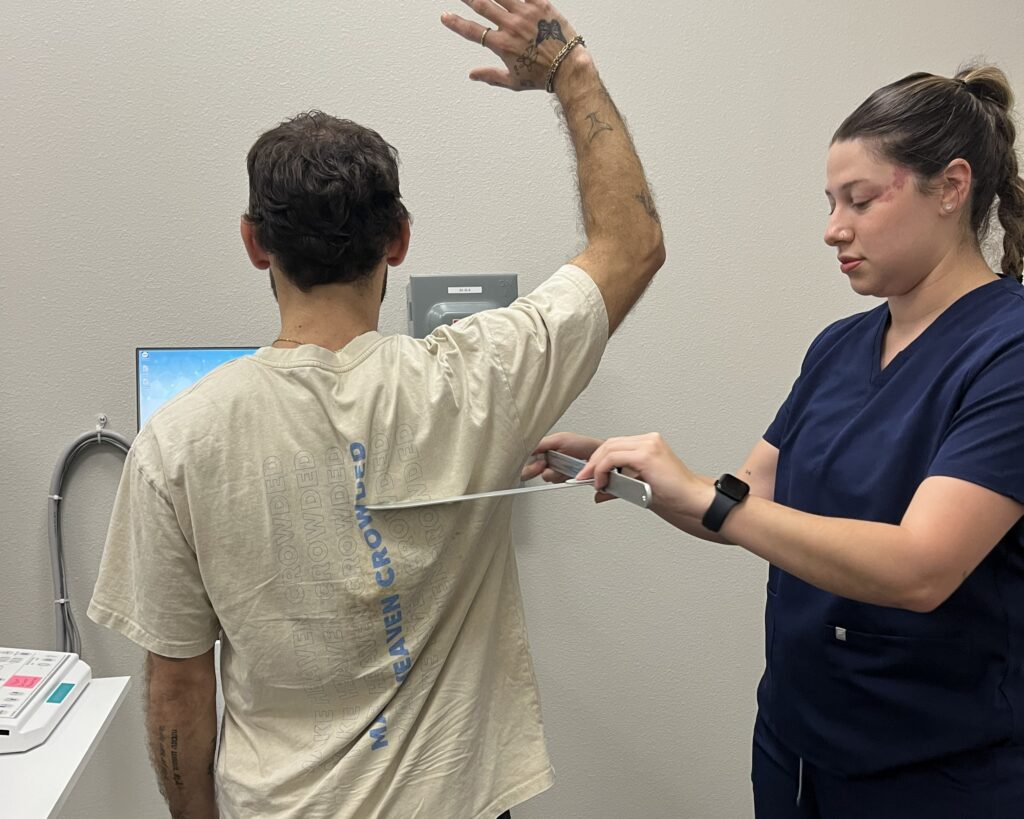
Living with scoliosis can feel overwhelming, especially when you’re trying to understand how it affects your daily posture and spinal health. If you’ve noticed uneven shoulders, a tilted waistline, or persistent back discomfort, you’re not alone. Here in Tyler, TX, many patients visit Flores Chiropractic curious about how scoliosis impacts their spine and what they can do to support their body naturally. Whether you’ve been recently diagnosed or have lived with scoliosis for years, understanding the connection between scoliosis and posture is the first step toward managing your spinal health effectively. This article will walk you through what scoliosis really is, how it influences your posture, and practical strategies you can use every day to maintain a healthier, more balanced spine.
What is scoliosis? Scoliosis is a sideways curvature of the spine that typically develops during the growth years before puberty, though it can occur in adults as well. Instead of running straight down the middle of the back, a scoliotic spine curves to the left or right, often forming an “S” or “C” shape when viewed from behind.
Table of Contents
- Understanding Scoliosis and How It Develops
- How Scoliosis Affects Your Posture
- Common Postural Challenges for People with Scoliosis
- How Chiropractic Care Can Support Scoliosis Management
- Practical Tips for Maintaining Spinal Health with Scoliosis
- When to See a Chiropractor About Scoliosis
- Scoliosis Management Approaches Comparison
- Myths vs. Facts About Scoliosis and Posture
- Final Thoughts
Understanding Scoliosis and How It Develops
Scoliosis isn’t just one condition with a single cause. It comes in different forms, and understanding which type you have helps guide your care approach. The most common type is idiopathic scoliosis, which means the exact cause isn’t known. This form typically appears during adolescence when the body is growing rapidly. Research suggests that genetics play a role, as scoliosis often runs in families.
There are also congenital forms of scoliosis, where spinal abnormalities are present from birth, and neuromuscular scoliosis, which develops as a result of conditions like cerebral palsy or muscular dystrophy. In adults, degenerative scoliosis can develop as the discs and joints in the spine wear down over time, causing the spine to shift and curve.
The severity of scoliosis is measured in degrees using what’s called a Cobb angle. Mild scoliosis typically measures between 10 and 20 degrees, moderate scoliosis ranges from 20 to 40 degrees, and severe scoliosis is anything above 40 degrees. Most cases fall into the mild to moderate range and don’t require surgical intervention.
What many people don’t realize is that scoliosis is more than just a visible curve. The sideways curvature also involves rotation of the vertebrae, which can affect the position of the ribcage, shoulders, and hips. This three-dimensional nature of scoliosis is why it impacts posture so significantly and why a comprehensive approach to care is so important.
How Scoliosis Affects Your Posture
When your spine curves sideways, your body naturally tries to compensate to keep your head centered over your pelvis and maintain balance. This compensation happens automatically, but it creates postural adaptations throughout your entire body. One shoulder might sit higher than the other, one hip may protrude more, or your head might tilt slightly to one side.
These postural changes aren’t just cosmetic concerns. They alter how your muscles work throughout the day. Muscles on one side of your spine may become tight and overworked as they struggle to support the curve, while muscles on the opposite side may become weak and underused. This muscular imbalance can lead to fatigue, discomfort, and reduced mobility over time.
The rib rotation that often accompanies scoliosis can also affect your breathing mechanics. In some cases, the ribcage becomes compressed on one side, which may reduce lung capacity slightly and make deep breathing feel more challenging. This is one reason why patients with scoliosis sometimes feel more tired during physical activity.
Your center of gravity shifts when you have scoliosis, which affects how you stand, walk, and move. You might notice that you favor one leg when standing, or that certain activities feel awkward or unbalanced. These compensatory patterns become so ingrained over time that they feel normal, even though they’re placing extra stress on your joints and soft tissues.
Understanding these postural effects helps you recognize that the goal isn’t necessarily to achieve a “perfect” posture, which may not be realistic with scoliosis. Instead, the goal is to maintain the best possible alignment for your individual spine while supporting the muscles and joints that work harder because of the curve.
Common Postural Challenges for People with Scoliosis
Daily activities that most people take for granted can present unique challenges when you have scoliosis. Sitting for extended periods, for example, often becomes uncomfortable because the curve makes it harder to distribute your weight evenly across both sitting bones. You might find yourself constantly shifting positions or developing pain in your lower back or hips after sitting for just an hour or two.
Standing still is another common challenge. While walking or moving around feels manageable, standing in one place for long periods can be exhausting. Your muscles work overtime to maintain balance, and you may develop soreness in your legs, hips, or back. Many people with scoliosis unconsciously shift their weight repeatedly or need to sit down more frequently than others.
Sleeping can also become problematic. Finding a comfortable position that doesn’t aggravate the curve or create pressure points is often difficult. You might wake up with stiffness or discomfort that takes time to ease as you move throughout the morning. The uneven muscle tension associated with scoliosis can make it harder to fully relax during sleep.
Carrying bags, backpacks, or purses presents another challenge. The asymmetry in your shoulders and spine means that weight isn’t distributed evenly, and you may develop pain more quickly on one side. Even light loads can feel heavier or more awkward than they should.
Exercise and physical activity require thoughtful adaptation. Some movements that would be simple with a straight spine become more difficult or uncomfortable with scoliosis. You might avoid certain activities altogether without realizing that modified versions could still be beneficial and enjoyable.
How Chiropractic Care Can Support Scoliosis Management
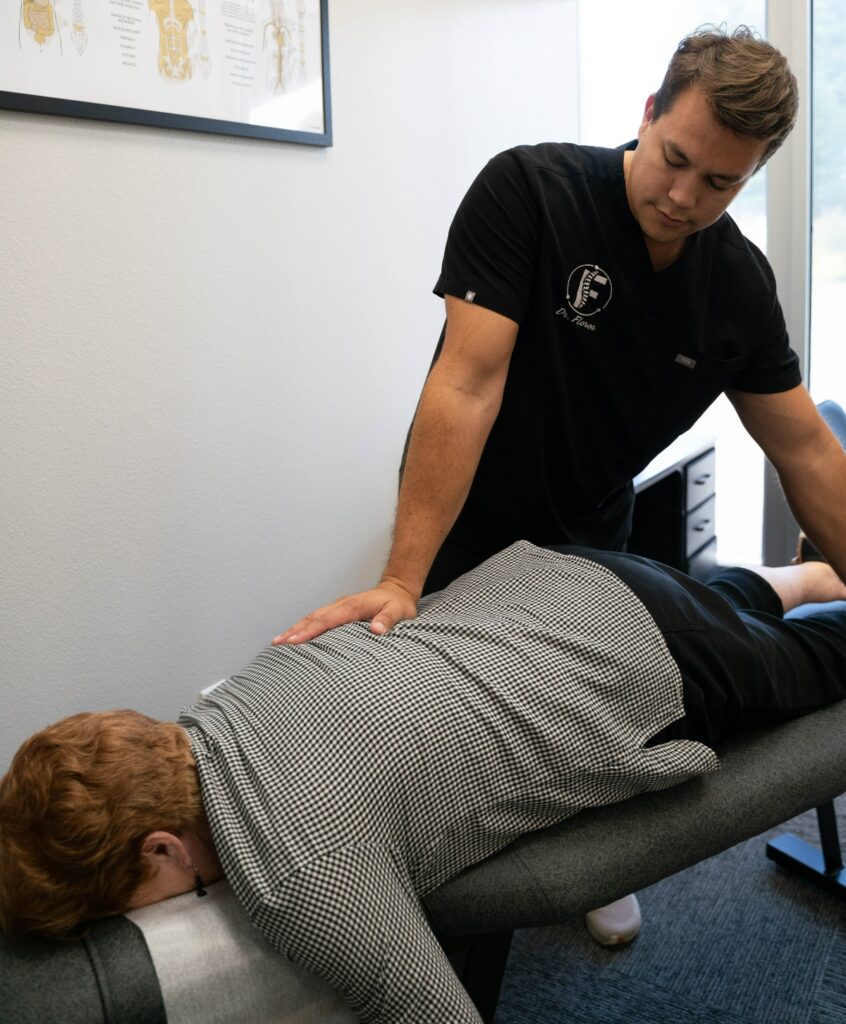
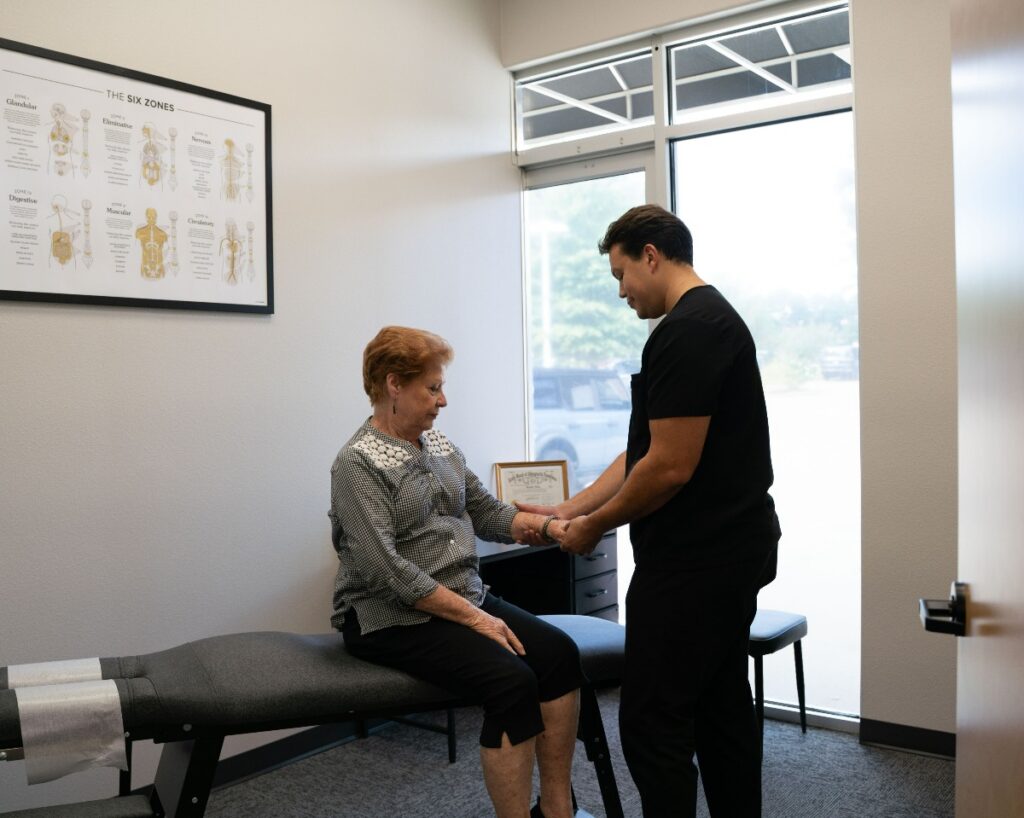
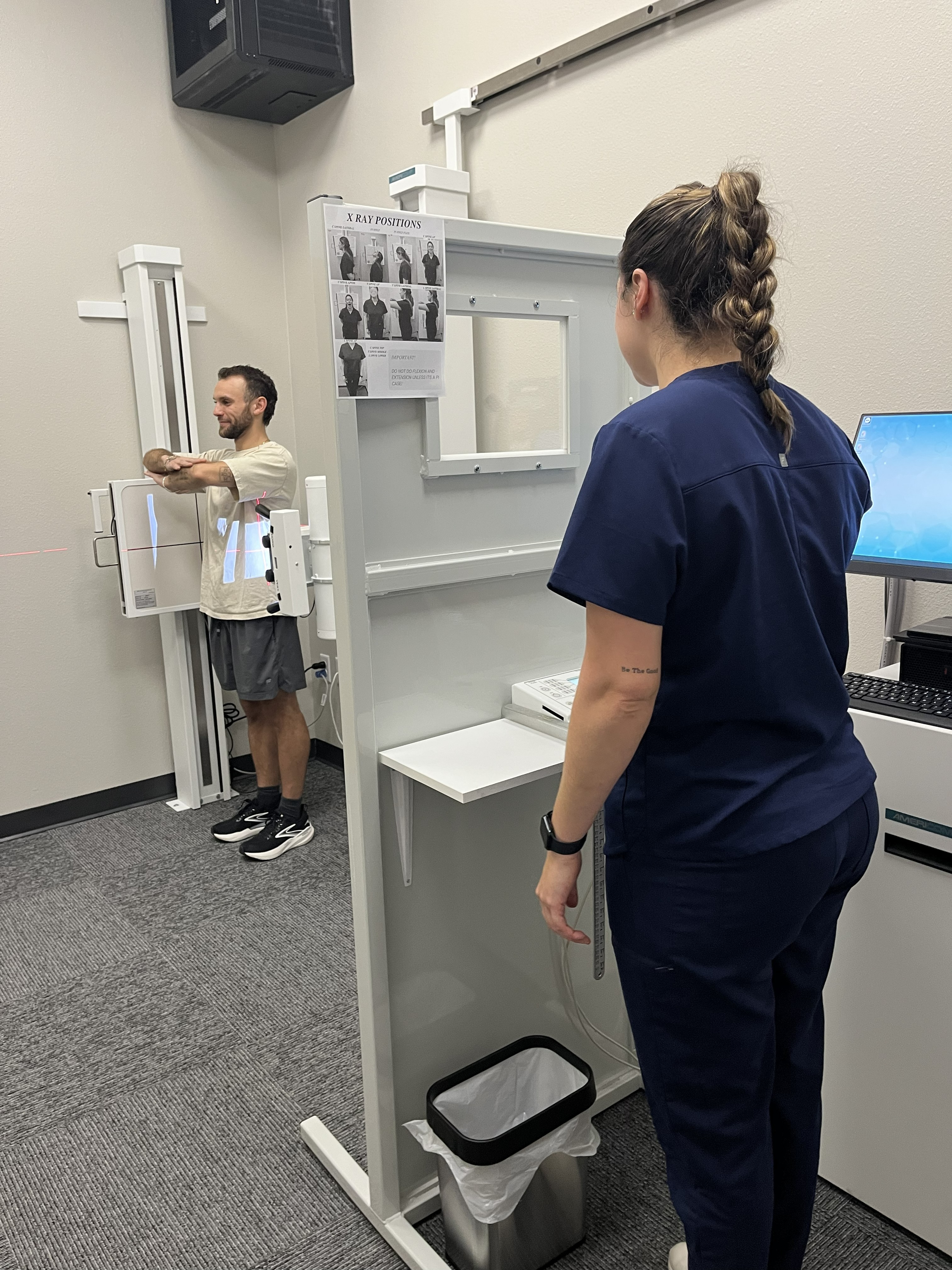
Chiropractic care offers a conservative, non-invasive approach to managing scoliosis and its effects on your posture and quality of life. At Flores Chiropractic in Tyler, TX, Dr. Ricardo Flores focuses on helping patients with scoliosis maintain better spinal function, reduce discomfort, and improve their daily movement patterns.
It’s important to understand what chiropractic care can and cannot do for scoliosis. While chiropractic adjustments won’t straighten a structural curve or eliminate scoliosis completely, they can help address the compensatory patterns and muscular imbalances that develop around the curve. Many patients find that regular chiropractic care helps them manage discomfort more effectively and maintain better overall spinal mobility.
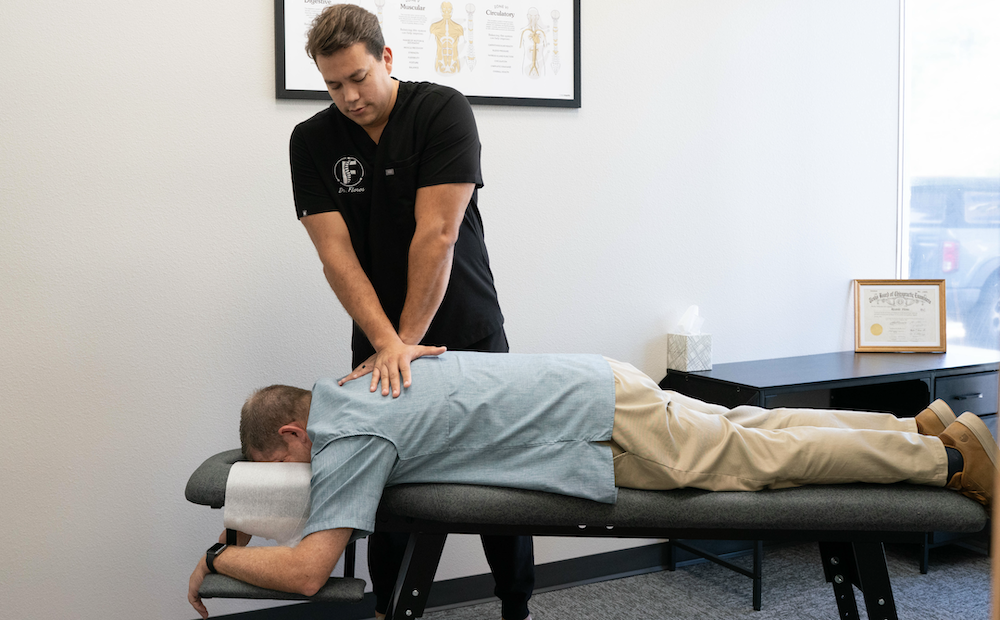
Chiropractic adjustments for scoliosis are individualized and gentle, taking into account the specific location and degree of your curve. The goal is to improve joint mobility where the spine has become restricted due to the abnormal curvature and to reduce tension in the surrounding muscles. This can help decrease the strain that develops from your body’s constant efforts to compensate for the curve.
Beyond spinal adjustments, chiropractors often incorporate other therapeutic approaches. Soft tissue techniques can help release tight muscles on the concave side of the curve and strengthen weak muscles on the convex side. Postural education and ergonomic guidance help you make better choices throughout your day to reduce unnecessary stress on your spine.
Many chiropractors, including Dr. Ricardo Flores at Flores Chiropractic, work collaboratively with other healthcare providers when managing scoliosis. This might include communication with your orthopedic specialist, physical therapist, or primary care physician to ensure your care is coordinated and comprehensive. This team approach helps ensure you receive the most appropriate care for your individual situation.
Evidence suggests that chiropractic care may be particularly helpful for managing the secondary effects of scoliosis, such as chronic back pain, reduced mobility, and muscular tension. Research published in sources like the Journal of Chiropractic Medicine indicates that patients with scoliosis who receive chiropractic care often report improvements in pain levels and functional ability, even when the curve itself remains unchanged.
Practical Tips for Maintaining Spinal Health with Scoliosis
Managing scoliosis effectively requires a proactive approach to your daily habits and activities. The good news is that simple, consistent changes can make a meaningful difference in how you feel and function. These strategies aren’t about achieving perfection, but rather about supporting your body in practical, sustainable ways.
Optimize Your Sitting Posture
When sitting at a desk or table, use a chair that provides good lumbar support and allows your feet to rest flat on the floor. If your chair doesn’t provide adequate support, consider adding a small cushion or rolled towel behind your lower back on the side that needs extra support. Position your computer monitor at eye level so you’re not constantly looking down or twisting to one side. Take frequent breaks every 30 to 45 minutes to stand, stretch, and walk around, even if just for a minute or two.
Create a Scoliosis-Friendly Sleep Environment
Sleeping on your side with a pillow between your knees can help maintain better spinal alignment overnight. Some people with scoliosis find that placing a small pillow or towel under the side of their body that corresponds with the curve helps reduce pressure and discomfort. Experiment with pillow heights for your head to keep your neck in a more neutral position. Your mattress should be supportive enough to maintain spinal alignment without being so firm that it creates pressure points.
Practice Mindful Movement Throughout the Day
Pay attention to how you’re standing and make small adjustments throughout the day. Try to distribute your weight evenly between both feet rather than habitually shifting to one side. When you catch yourself slouching or leaning, gently reset your posture without forcing your spine into an unnatural position. Remember that with scoliosis, your best posture might not look like someone else’s, and that’s okay.
Strengthen Your Core and Postural Muscles
Gentle core strengthening exercises can provide better support for your spine. Exercises like modified planks, bridges, and bird dogs help build the deep stabilizing muscles around your spine without placing excessive stress on the curve. Focus on exercises that promote balance and symmetry in your muscle development. Consider working with a physical therapist or qualified fitness professional who understands scoliosis to develop an appropriate exercise program.
Stretch Regularly and Strategically
Regular stretching helps counteract the muscle tightness that develops with scoliosis. Gentle stretches for your hip flexors, hamstrings, chest, and shoulders can help reduce tension and improve mobility. Side-bending stretches in the direction opposite your curve can help lengthen compressed muscles, but should be done gently and without force. Always listen to your body and stop if any stretch creates pain or discomfort.
Adapt How You Carry Things
Instead of using a single-shoulder bag or purse, opt for a backpack worn on both shoulders, or switch sides frequently if you must use a single-shoulder bag. Keep bags as light as possible and remove unnecessary items regularly. When carrying groceries or other loads, divide the weight between both arms rather than carrying everything on one side. These small adjustments reduce the additional stress on your already asymmetrical spine.
Stay Active with Appropriate Exercise
Regular physical activity is important for maintaining spinal health with scoliosis. Low-impact activities like swimming, walking, and cycling are often well-tolerated and help maintain overall fitness and spinal mobility. Yoga and Pilates can be beneficial when practiced with modifications appropriate for scoliosis. Avoid high-impact activities or those involving heavy twisting motions if they aggravate your symptoms.
When to See a Chiropractor About Scoliosis
Knowing when to seek professional help for scoliosis-related concerns is important for maintaining your spinal health and preventing complications. Here in Tyler, TX, Dr. Ricardo Flores at Flores Chiropractic regularly helps patients determine whether their symptoms warrant evaluation and care.
You should consider scheduling a chiropractic consultation if you’ve been diagnosed with scoliosis and are experiencing new or worsening back pain, especially if it’s affecting your daily activities or quality of life. Even mild discomfort that persists for more than a few weeks deserves attention, as early intervention often prevents more significant problems from developing.
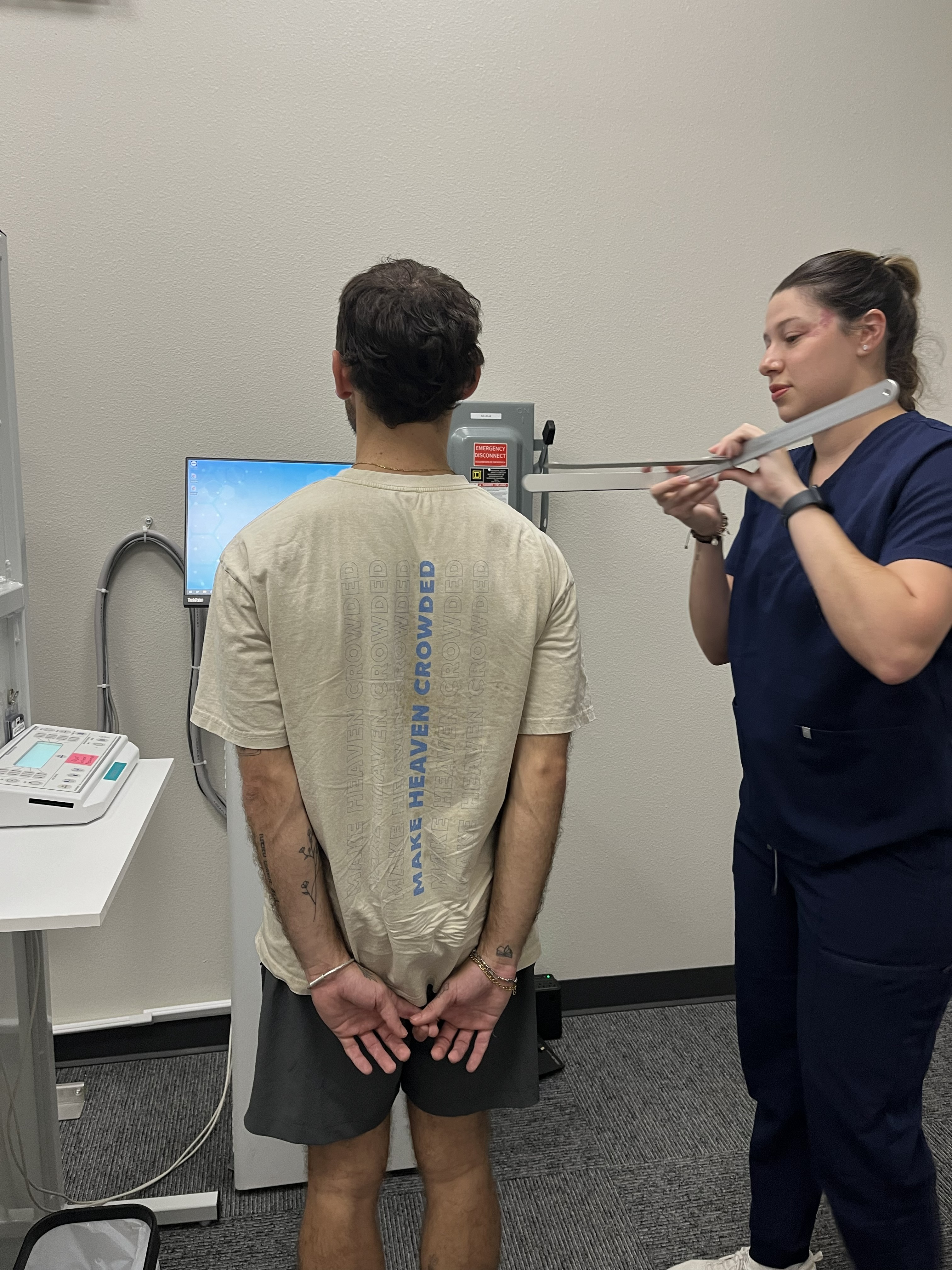
If you notice changes in your posture, such as one shoulder becoming noticeably higher than the other, a visible rib hump when bending forward, or uneven hips, it’s worth having your spine evaluated. These visible changes might indicate that your curve is progressing or that new compensatory patterns are developing.
Difficulty with activities you previously managed comfortably is another signal to seek care. This might include increased fatigue when standing or sitting, trouble finding comfortable sleeping positions, or reduced flexibility and range of motion in your spine. These functional changes often respond well to chiropractic care and specific exercises.
If you’re experiencing numbness, tingling, or weakness in your legs, or if you notice changes in your balance or coordination, these warrant more urgent evaluation. While these symptoms are less common with typical scoliosis, they could indicate nerve involvement that requires attention.
For younger patients, regular monitoring during growth years is important. If you have a child or teenager with scoliosis, periodic evaluations can help track whether the curve is progressing and ensure appropriate care is provided at the right time.
Don’t wait until pain becomes severe or your function is significantly limited. Conservative care is often most effective when started earlier rather than later. Even if you’ve lived with scoliosis for years without seeking care, it’s never too late to explore options that might improve your comfort and function.
Scoliosis Management Approaches Comparison
| Approach | Best For | What It Involves | Expected Outcomes |
|---|---|---|---|
| Observation | Mild curves under 20 degrees, especially in adults | Regular monitoring with X-rays, no active treatment | Tracks curve progression, intervenes if necessary |
| Chiropractic Care | Managing discomfort, improving function, maintaining mobility | Spinal adjustments, soft tissue work, postural guidance | Reduced pain, better movement, improved quality of life |
| Physical Therapy | Strengthening muscles, improving flexibility and function | Specific exercises, stretches, activity modifications | Better muscle balance, increased strength and mobility |
| Bracing | Growing children/teens with moderate curves (20-40 degrees) | Custom-fitted brace worn for prescribed hours daily | Prevents curve progression during growth, doesn’t correct existing curve |
| Surgery | Severe curves over 40-45 degrees, progressive curves, significant functional limitation | Spinal fusion with rods and screws to straighten and stabilize spine | Reduced curve angle, prevention of further progression, improved appearance |
Myths vs. Facts About Scoliosis and Posture
Myth: Bad posture causes scoliosis
Fact: Poor posture doesn’t cause structural scoliosis. True scoliosis involves a sideways curvature with vertebral rotation that develops due to genetic factors, growth abnormalities, or degenerative changes, not from slouching or standing incorrectly. However, maintaining good postural habits is still important for managing symptoms and supporting spinal health when you have scoliosis.
Myth: You should avoid all exercise if you have scoliosis
Fact: Exercise is actually beneficial for most people with scoliosis. Regular physical activity helps maintain spinal mobility, strengthens supporting muscles, and improves overall function. The key is choosing appropriate exercises and modifications that work with your individual curve rather than against it. Activities like swimming, walking, and specific therapeutic exercises are often very helpful.
Myth: Chiropractic adjustments will straighten your spine
Fact: Chiropractic care for scoliosis isn’t about straightening the structural curve. Instead, it focuses on improving joint function, reducing muscle tension, and managing the compensatory patterns that develop around the curve. Many patients experience reduced discomfort and better mobility with chiropractic care, even though the curve itself remains.
Myth: Only children and teenagers get scoliosis
Fact: While adolescent idiopathic scoliosis is the most common type, adults can develop scoliosis too. Degenerative or adult-onset scoliosis typically develops after age 50 as spinal discs and joints wear down over time. Adult scoliosis often presents differently than adolescent scoliosis and may require different management approaches.
Myth: All scoliosis is painful
Fact: Many people with mild to moderate scoliosis experience little to no pain, especially during the adolescent years. Pain becomes more common in adulthood as the curve places ongoing stress on muscles and joints over time. The presence and severity of pain varies widely between individuals and doesn’t always correlate directly with the degree of curvature.
Final Thoughts
Living with scoliosis doesn’t mean accepting constant discomfort or giving up activities you enjoy. With the right knowledge, daily habits, and professional support, you can maintain a healthy, active lifestyle while managing your spinal health effectively. Understanding how scoliosis affects your posture helps you make informed decisions about your care and empowers you to take an active role in your well-being.
Here in Tyler, TX, the team at Flores Chiropractic is committed to helping patients with scoliosis understand their condition and develop practical strategies for maintaining spinal health. Dr. Ricardo Flores takes an individualized approach to each patient, recognizing that every case of scoliosis is unique and requires personalized care. Whether you’ve recently been diagnosed or have lived with scoliosis for years, exploring conservative care options can make a meaningful difference in your daily comfort and function.
Remember that managing scoliosis is a journey, not a destination. Small, consistent efforts to support your spine through better posture, appropriate exercise, and professional care can add up to significant improvements in how you feel and move. Don’t hesitate to reach out to Flores Chiropractic in Tyler, TX if you have questions about scoliosis or would like to explore how chiropractic care might support your spinal health journey.
Frequently Asked Questions
Can you fix scoliosis without surgery?
While you cannot completely “fix” or eliminate a structural scoliotic curve without surgery, conservative approaches like chiropractic care, physical therapy, and specific exercises can effectively manage symptoms and improve function for many people. These non-surgical approaches focus on maintaining spinal mobility, strengthening supporting muscles, and reducing discomfort rather than straightening the spine itself.
Does scoliosis get worse as you age?
Adolescent idiopathic scoliosis typically stabilizes after skeletal maturity, though curves over 50 degrees may continue to progress slowly in adulthood. Adult-onset or degenerative scoliosis does tend to worsen gradually over time as spinal structures wear down. Regular monitoring and proactive management can help slow progression and maintain function throughout life.
What is the best sleeping position for scoliosis?
Most people with scoliosis find side sleeping with a pillow between the knees most comfortable, as it helps maintain spinal alignment and reduces pressure on the curve. Some individuals benefit from placing an additional small pillow or rolled towel under the side of their body that corresponds with the curve. Experimenting with different positions and pillow arrangements helps you find what works best for your specific curve.
Can chiropractic care help with scoliosis pain?
Yes, many patients with scoliosis experience relief from pain and improved function with regular chiropractic care. Evidence suggests that chiropractic adjustments, combined with soft tissue therapies and exercises, can help manage the secondary effects of scoliosis such as muscle tension, joint restriction, and discomfort. While chiropractic care doesn’t correct the curve itself, it can significantly improve quality of life.
Should someone with scoliosis avoid certain activities?
Most people with scoliosis can safely participate in regular physical activities with appropriate modifications. High-impact activities or those involving heavy spinal loading may need to be adjusted based on individual tolerance and curve severity. Activities emphasizing flexibility, core strength, and balanced muscle development are generally beneficial. Always listen to your body and work with healthcare providers to determine appropriate activity levels.
How often should I see a chiropractor for scoliosis?
Visit frequency depends on your individual needs, symptoms, and goals. During initial care, more frequent visits might be recommended to address acute symptoms and establish better movement patterns. As you improve, visit frequency typically decreases to maintenance care focused on preserving function and preventing flare-ups. Dr. Ricardo Flores at Flores Chiropractic develops individualized care plans based on each patient’s specific situation.
TL;DR – Key Takeaways
- Scoliosis is a sideways curvature of the spine that affects posture by creating compensatory patterns throughout the body, leading to muscle imbalances and altered movement mechanics.
- Chiropractic care helps manage scoliosis by improving joint mobility, reducing muscle tension, and addressing compensatory patterns, though it doesn’t straighten the structural curve itself.
- Daily habits matter significantly – optimizing sitting posture, sleeping positions, exercise routines, and how you carry loads can reduce strain and improve comfort with scoliosis.
- Conservative management including chiropractic care, physical therapy, and appropriate exercise is effective for most people with mild to moderate scoliosis who want to maintain function and reduce discomfort.
- Seek professional evaluation if you experience persistent pain, visible postural changes, reduced function, or if you have concerns about curve progression, especially during growth years.