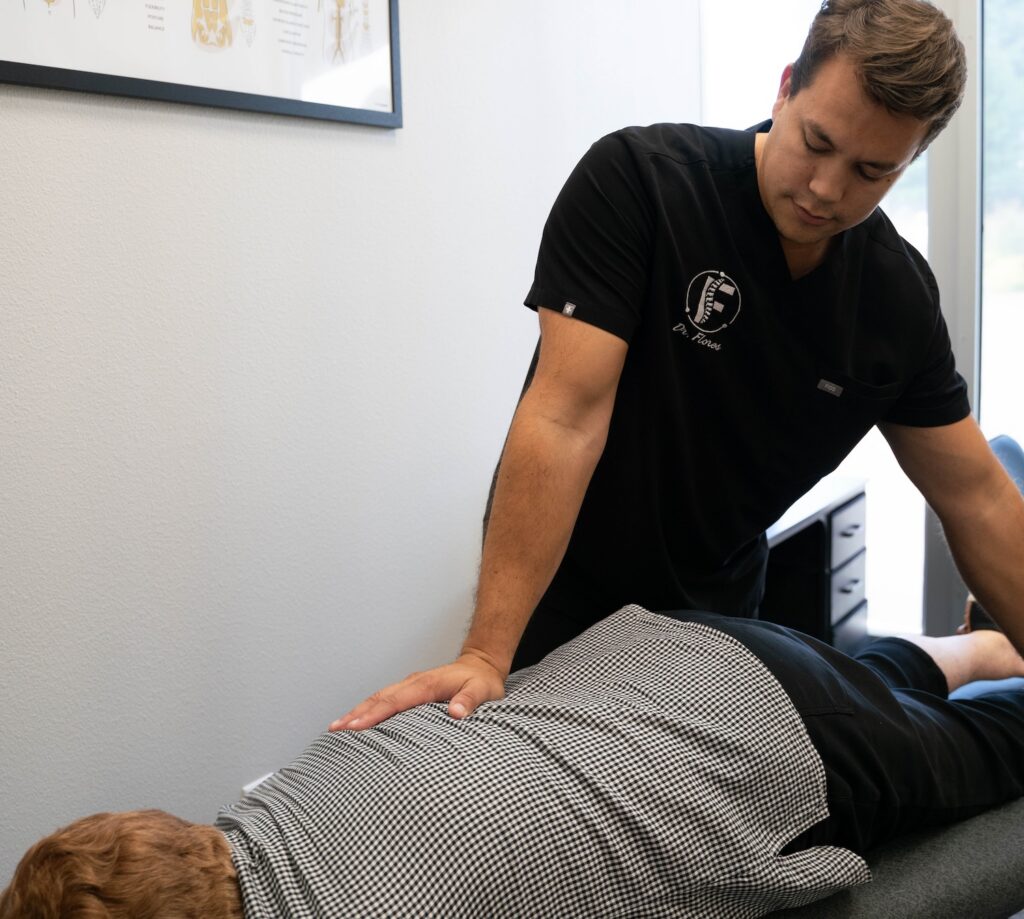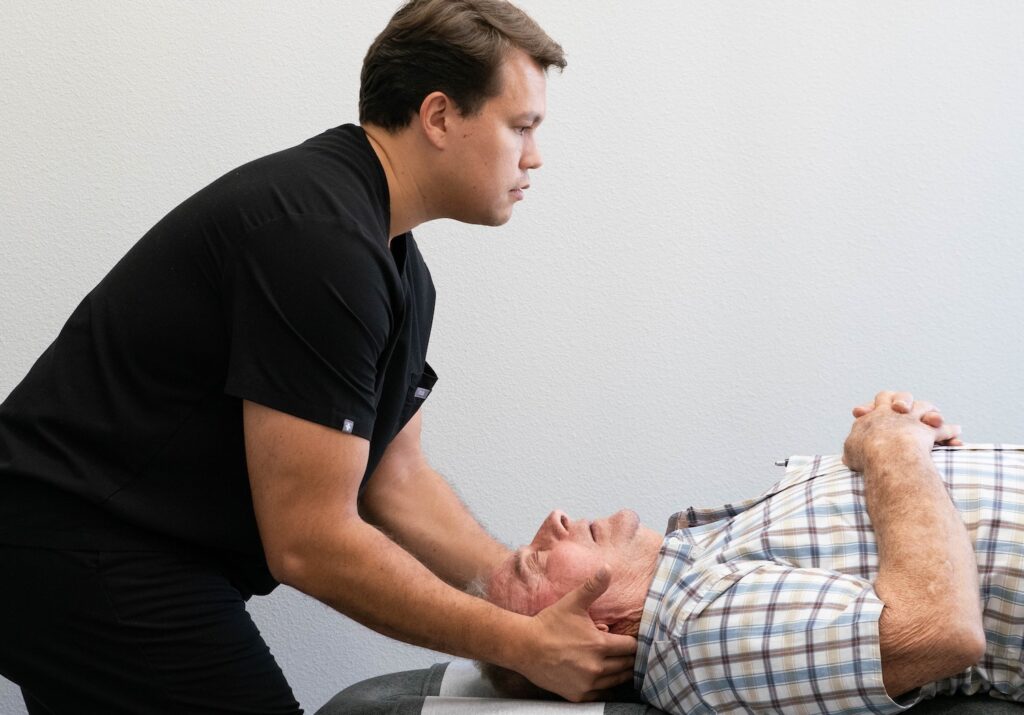

If you’re dealing with chronic tension headaches, chiropractic care can be a game-changer for your relief and overall wellness. Chiropractors focus on identifying and addressing the underlying causes of your headaches, using safe and effective techniques to promote natural healing. By incorporating spinal manipulation, gentle adjustments, and personalized lifestyle advice, we provide a holistic approach that targets tension and brings you significant relief.
So, how do we work to alleviate your tension headaches? Here are some key strategies that chiropractors use effectively:
- Spinal Adjustments: Proper alignment of the spine can alleviate pressure on nerves and reduce muscle tension, leading to fewer headaches.
- Soft Tissue Therapy: Techniques such as massage and stretching help to loosen tight muscles that may be contributing to your headache pain.
- Posture Correction: We often analyze your posture and provide exercises to improve alignment, which can prevent tension from building up in the neck and shoulders.
- Ergonomic Advice: Simple changes to your workspace can make a big difference. We guide you on setting up your desk and chair to support better posture.
- Stress Management Techniques: Stress is a common trigger for tension headaches. We can teach you relaxation techniques, such as deep breathing or mindfulness, to help manage stress levels.
- Hydration Guidance: Staying well-hydrated is crucial. We remind you to drink plenty of water, as dehydration can often lead to headaches.
- Nutritional Support: A balanced diet can help reduce headache frequency. We can provide dietary tips that promote overall wellness and alleviate tension.
- Exercise Recommendations: Regular physical activity can reduce stress and improve blood flow. We can suggest gentle exercises that suit your lifestyle.
- Sleep Hygiene Tips: Quality sleep is essential for recovery. We can offer strategies for improving your sleep environment and habits.
- Regular Check-ups: Consistent chiropractic visits can help maintain your spine’s health and prevent future headaches from occurring.
By choosing chiropractic care, you’re opting for a natural and effective way to achieve optimal health and relieve chronic tension headaches. If you’re ready to explore how these strategies can work for you, don’t hesitate to reach out for a consultation. Together, we can create a personalized plan that addresses your specific needs and helps you lead a healthier, pain-free life!
Spinal Manipulation Techniques
When it comes to managing chronic tension headaches, chiropractic care and spinal manipulation techniques can be incredibly effective in alleviating your discomfort.
These gentle adjustments focus on aligning the vertebrae in your spine, relieving pressure, and helping restore your body’s natural balance. By visiting a chiropractor, you can benefit from targeted adjustments that may significantly reduce muscle tension and improve blood flow to your head and neck.
You might find that techniques such as spinal mobilization or high-velocity thrust adjustments can effectively decrease the frequency and intensity of your headaches. These methods work by relieving nerve irritation and enhancing your overall spinal function, contributing to a healthier, pain-free lifestyle.
After just a few sessions, many people notice a reduction in their headache symptoms. Regular chiropractic care can boost your body’s natural healing abilities, allowing for long-lasting relief. To maximize the benefits of your treatment, it’s essential to communicate openly with your chiropractor about your progress and any lingering discomfort.
In addition to chiropractic adjustments, here are some general tips to help you manage tension headaches:
- Stay Hydrated: Drink plenty of water throughout the day to help prevent dehydration, which can trigger headaches.
- Practice Good Posture: Maintain proper posture while sitting and standing to reduce strain on your neck and back.
- Manage Stress: Incorporate relaxation techniques such as deep breathing, yoga, or meditation into your daily routine.
- Get Enough Sleep: Aim for 7-9 hours of quality sleep each night to support your overall health.
- Take Breaks: If you’re working at a desk or using screens for extended periods, take regular breaks to stretch and move around.
Posture Correction Strategies
Improving your posture is a crucial step in managing chronic tension headaches, and chiropractic care can be an excellent resource in achieving this. By working with a chiropractor, you can gain insights into proper alignment, helping to relieve pressure on your neck and shoulders and reducing headache triggers.
Here are some effective posture correction strategies that you can easily implement, alongside the benefits of chiropractic care:
- Sit up straight: Maintain a straight back and relaxed shoulders while sitting. This simple adjustment can help alleviate strain on your spine.
- Adjust your workstation: Ensure your computer screen is at eye level. A chiropractor can guide you on the best ergonomic setup to prevent neck strain.
- Use ergonomic chairs: Invest in a chair that supports your lower back. Many chiropractors can recommend specific types of chairs that promote good posture and spinal health.
- Take breaks: Stand up and stretch every hour. Regular movement helps relieve tension and resets your posture, making it easier to maintain alignment.
- Practice mindful breathing: Incorporate deep breathing exercises that promote relaxation and heighten your awareness of posture. This practice can support overall well-being and enhance the benefits of chiropractic adjustments.
Incorporating these posture correction strategies into your daily routine, along with regular chiropractic visits, can lead to greater relief from tension headaches and foster a healthier lifestyle.
Soft Tissue Therapy
Soft tissue therapy can be a transformative tool for those struggling with chronic tension headaches. As a chiropractor, I want to share how chiropractic care, which includes techniques focused on muscle release, can’t only help reduce inflammation and pain but also promote better blood circulation to the head and neck areas.
When you incorporate soft tissue therapy into your chiropractic treatment plan, you may find significant relief from your headaches and an improvement in your overall well-being. Techniques like gentle stretching, targeted pressure, and muscle manipulation can work wonders in alleviating the tightness that often contributes to headache pain.
Additionally, I encourage you to adopt some simple practices in your daily routine to support your spinal health and reduce headache triggers. Staying hydrated, practicing good posture, and incorporating regular movement into your day can make a big difference.
Remember, chiropractic care is designed to address the root causes of your discomfort, helping you achieve optimal health naturally.
If you’re looking for safe, effective relief from tension headaches, consider scheduling a visit to your local chiropractor to explore how personalized care can help you feel your best.
Techniques for Muscle Release
Chronic tension headaches can be incredibly challenging to manage, but there’s hope through natural healing techniques that focus on muscle release. As a chiropractor, I believe that addressing the root cause of headaches often involves targeting the muscles that contribute to this discomfort.
By utilizing soft tissue therapy, we can help alleviate tightness and promote overall wellness without the need for medications or surgery.
Here are some effective techniques you might encounter that can help relieve your headaches:
- Myofascial Release: This technique focuses on softening tight fascia, which can improve blood flow and reduce tension. It’s great for enhancing overall muscle function and relieving pain.
- Trigger Point Therapy: By applying pressure to specific muscle knots, we can release built-up tension and alleviate pain. This targeted approach can provide quick relief from headache symptoms.
- Deep Tissue Massage: Working on the deeper layers of muscle, this technique can help break down tension and tightness, allowing for a greater range of motion and less discomfort.
- Stretching: Gentle stretching of tight muscles can improve flexibility and help prevent future headaches. Incorporating regular stretching into your routine can significantly benefit your overall muscle health.
- Active Release Technique: This method combines movement with pressure to release tight muscles and improve function. It’s particularly effective for those who experience chronic tension.
Incorporating these techniques into your wellness routine can greatly enhance your comfort and quality of life.
Remember, chiropractic care not only focuses on relieving pain but also on promoting natural healing and optimal health.
If you’re struggling with tension headaches, consider seeking a chiropractor who can guide you through these effective muscle release techniques tailored to your needs.
Embracing a holistic approach to your health can lead to lasting relief and a more vibrant life!
Reducing Inflammation and Pain
To effectively reduce inflammation and pain linked to chronic tension headaches, soft tissue therapy is a powerful ally. This hands-on approach zeroes in on the muscles, tendons, and fascia in your neck and shoulders—areas that often play a significant role in headache discomfort.
Using techniques like massage, myofascial release, and trigger point therapy, I can help ease tightness and calm inflammation, offering you relief without the need for medications or surgeries.
Soft tissue therapy not only helps alleviate current pain but also serves as a preventive measure against future headaches by enhancing muscle function and flexibility. You may find that you feel more relaxed and enjoy a greater range of motion in your upper body after a session.
Committing to regular soft tissue therapy can lead to lasting improvements in your overall comfort, making it an essential part of your holistic headache relief strategy.
In addition to therapy, here are some general tips you can incorporate into your daily routine to support your wellness journey:
- Stay Hydrated: Drinking plenty of water helps reduce tension in your muscles and can decrease the frequency of headaches.
- Practice Good Posture: Be mindful of your posture, especially when working at a desk. Keeping your spine aligned can prevent unnecessary strain on your neck and shoulders.
- Take Breaks: If you spend long hours in front of a screen, take regular breaks to stretch and move around. This can help relieve muscle tension before it leads to pain.
- Incorporate Relaxation Techniques: Activities like yoga, meditation, or deep breathing exercises can help reduce stress and tension, which are common triggers for headaches.
Enhancing Blood Circulation
Blood circulation is vital for alleviating chronic tension headaches, and chiropractic care offers effective ways to enhance it naturally. Improved blood flow means delivering more oxygen and nutrients to your muscles and tissues, which promotes relaxation and helps reduce headache symptoms.
As a chiropractor, I often use various techniques to support this process, including:
- Massage Therapy: This technique targets tight muscles, promoting relaxation and easing tension that can contribute to headaches.
- Gentle Stretching: Stretching not only increases flexibility but also improves circulation, allowing your body to move more freely and comfortably.
- Trigger Point Therapy: By focusing on specific areas of tension, this method helps relieve localized stress and enhances blood flow to the affected areas.
- Myofascial Release: This technique works on the connective tissue to release any restrictions, facilitating better circulation throughout the body.
- Heat Application: Applying heat can enhance blood flow, reduce muscle stiffness, and provide soothing relief.
Incorporating these chiropractic techniques into your routine can’t only help alleviate headaches but also promote your overall well-being.
By enhancing circulation, you’re taking a proactive approach to managing chronic tension headaches naturally.
Trigger Point Therapy
Trigger point therapy is an effective approach for those experiencing chronic tension headaches. This technique zeroes in on identifying and releasing tight knots in your muscles, which often play a significant role in causing headaches. When your muscles are tense, they can put pressure on nearby nerves, leading to discomfort and pain.
During a session, I’ll apply targeted pressure to these trigger points, helping to relieve tension and restore proper function in your muscles. While you might feel some discomfort at first, many patients experience significant relief after just one treatment, making it a worthwhile option to explore.
Incorporating trigger point therapy into your wellness routine can help decrease both the frequency and intensity of your headaches. By addressing the underlying causes of muscle tension, you’ll not only find relief but also improve your overall well-being.
Here are a few simple tips to help manage tension and enhance your health:
- Stay hydrated: Drinking plenty of water can help keep your muscles functioning properly.
- Practice good posture: Be mindful of your posture while sitting or standing to reduce strain on your neck and shoulders.
- Take breaks: If you spend long hours at a desk, take short breaks to stretch and move your body.
- Manage stress: Engage in relaxation techniques, such as deep breathing, yoga, or meditation, to help alleviate tension.
If you’re tired of dealing with chronic headaches, I encourage you to discuss trigger point therapy with me during your next visit. Together, we can explore how chiropractic care can be the key to achieving lasting relief and optimal health.
Lifestyle and Ergonomic Advice
To effectively manage chronic tension headaches, it’s crucial to pay attention to your lifestyle and workspace. As a chiropractor, I want to emphasize the importance of maintaining proper posture and creating an ergonomic workspace. These simple adjustments can make a world of difference in reducing the frequency and intensity of your headaches.
One of the best ways to achieve optimal health is by ensuring your spine is in alignment. Regular chiropractic adjustments can help alleviate tension in your neck and shoulders, which are common culprits of headaches. By addressing these issues at their source, you can experience lasting relief and improve your overall well-being.
In addition to chiropractic care, consider incorporating some stress management strategies into your daily routine. Techniques such as deep breathing, mindfulness, and gentle stretching can help relax your mind and body, further reducing the likelihood of tension headaches.
Here are some quick tips you can implement today:
- Sit up straight: Keep your back against the chair and your feet flat on the floor to support your spine.
- Adjust your workspace: Position your computer screen at eye level and use a chair that supports your lower back.
- Take breaks: Every hour, stand up, stretch, and move around to relieve tension and improve circulation.
- Stay hydrated: Drink plenty of water throughout the day to prevent dehydration, which can trigger headaches.
Posture Improvement Techniques
As a local chiropractor, I understand how poor posture can lead to chronic tension headaches and overall discomfort in your daily life. Implementing effective posture improvement techniques not only helps relieve tension but also promotes your overall well-being.
By focusing on your posture throughout the day, you can experience a significant reduction in headaches and discomfort. Here are some simple yet effective techniques to consider:
- Relax Your Shoulders: Keep your shoulders relaxed and pulled back. Avoid hunching forward, which can lead to tightness and strain.
- Align Your Ears and Shoulders: When sitting or standing, make sure your ears are in line with your shoulders. This alignment helps maintain a healthy spine.
- Take Movement Breaks: If you find yourself sitting for long periods, take regular breaks to stretch and move around. This can help alleviate tightness and improve circulation.
- Choose a Supportive Chair: Opt for a chair that provides good support and encourages proper spinal alignment, especially if you work at a desk.
- Strengthen Your Core: Engage in exercises that strengthen your core muscles. A strong core supports your back and helps maintain good posture.
Incorporating these techniques into your daily routine can lead to less tension and fewer headaches.
Remember, chiropractic care is a fantastic way to achieve optimal health and help with posture-related issues. By addressing spinal alignment and overall wellness, you can experience a natural and effective path to relief and improved quality of life.
If you’re struggling with tension headaches or poor posture, consider visiting your local chiropractor for personalized care tailored to your needs.
Ergonomic Workspace Setup
Creating an ergonomic workspace is vital for maintaining spinal health and preventing chronic tension headaches. As a chiropractor, I can tell you that a well-designed work environment not only enhances your comfort but also supports your overall well-being.
Start with your chair: adjust it so that your feet rest flat on the floor and your knees form a 90-degree angle. This position is crucial for maintaining proper spinal alignment. Your desk height should allow your elbows to be at a right angle while typing, which helps prevent strain on your neck and shoulders.
Position your monitor at eye level, about an arm’s length away. This setup minimizes neck strain and encourages good posture, both of which are essential for spinal health. Make sure to use a keyboard and mouse that fit comfortably in your hands to reduce wrist strain — a common issue among those who spend long hours at a computer.
Remember, taking regular breaks is key. Stand, stretch, and move around every hour to relieve tension and promote circulation. This not only helps alleviate discomfort but also re-energizes you for better productivity.
By mindfully setting up your workspace and incorporating these simple adjustments, you can significantly enhance your comfort and reduce the risk of headaches and other pain.
And if you experience discomfort, consider visiting a chiropractor for a natural approach to pain relief and optimal health. Together, we can work towards a healthier, more balanced lifestyle.
Stress Management Strategies
Managing stress can feel daunting, but incorporating effective strategies into your daily routine can lead to significant improvements in your overall well-being.
As a chiropractor, I believe that a holistic approach, including spinal health, plays a crucial role in stress management. Here are some practical strategies to consider:
- Practice deep breathing: Spend a few moments each day focusing on your breath. Deep breathing can help calm your nervous system and improve spinal alignment, reducing tension.
- Engage in physical activity: Regular exercise not only boosts your mood but also helps alleviate stress. Activities like walking or stretching can promote spinal mobility and overall health.
- Prioritize sleep: Quality sleep is essential for recovery and stress reduction. Aim for 7-9 hours each night, ensuring your sleep environment supports proper spinal alignment.
- Set boundaries: Learning to say no to commitments that drain your energy is vital. Protecting your time and energy can help you maintain a balanced lifestyle and support your body’s natural healing processes.
- Utilize mindfulness or meditation: Spend time each day practicing mindfulness. This can help you stay present, reduce stress, and enhance your overall mental and physical health.
Remember, chiropractic care can be an excellent way to support your journey toward optimal health and wellness.
Regular adjustments can help align your spine, alleviate discomfort, and promote a more relaxed state of being. By prioritizing these strategies, you’re taking important steps toward a healthier, more balanced life.
Stretching and Strengthening Exercises
To effectively manage chronic tension headaches, incorporating stretching and strengthening exercises into your daily routine can make a significant positive impact. These exercises specifically target the muscles in your neck, shoulders, and upper back, aiding in the relief of tension and promoting better posture—two crucial elements for overall spinal health.
Start with simple neck stretches. Try gently tilting your head from side to side and forward and backward. These movements not only enhance flexibility but also help to reduce stiffness that can contribute to headaches. Remember to perform these stretches slowly and mindfully to avoid any strain.
In addition to stretching, it’s important to include strengthening exercises in your routine. Exercises like shoulder shrugs and resistance band pulls can help build muscle endurance. Stronger muscles provide better support for your spine, helping to alleviate strain and discomfort.
Aim for a balanced routine that combines both types of exercises, dedicating at least 10-15 minutes each day to these practices. By doing so, you’ll not only work towards alleviating headache symptoms, but you’ll also enhance your overall physical well-being.
Consistency is key here; as you make these exercises a regular part of your lifestyle, you may notice a decrease in headache frequency and intensity, leading to a more comfortable and active life.
Remember, chiropractic care is also an excellent choice for addressing the root causes of headaches and promoting natural healing. Regular visits to your chiropractor can help align your spine, improve function, and support your body in maintaining optimal health.
Nutritional Counseling
When managing chronic tension headaches, nutritional counseling can play an essential role, but it’s important to remember that chiropractic care is a powerful ally in achieving optimal health and wellness.
By focusing on natural healing methods, we can address the root causes of your headaches while also making dietary modifications to support your overall well-being.
Staying hydrated is crucial, as dehydration can often trigger headaches. Aim to drink plenty of water throughout the day, and consider incorporating foods with high water content, such as fruits and vegetables, into your diet. These small changes can help in reducing headache frequency.
Additionally, be mindful of your diet. Some individuals find that certain foods, like processed snacks or those high in sugar, may worsen their headaches. Try to opt for whole, nutrient-rich foods that nourish your body. Foods rich in magnesium, like leafy greens and nuts, can also be beneficial, as magnesium deficiency has been linked to headaches.
While you’re making these dietary changes, don’t forget the value of chiropractic care. Regular chiropractic adjustments can help align your spine, reduce tension in your muscles, and improve overall function, which may lead to fewer headaches.
Remember, your spine health is vital for your nervous system, and a well-functioning nervous system is essential for overall wellness.
In summary, while nutritional changes can positively impact your headache management, incorporating chiropractic care into your routine can provide you with the pain relief and natural wellness you deserve.
If you’re struggling with chronic headaches, consider reaching out to a chiropractor for a personalized approach to your health. Together, we can work towards a healthier, headache-free life!
Dietary Modifications for Relief
If you’re dealing with chronic tension headaches, consider how dietary modifications can play a role in your overall wellness and comfort. While chiropractic care is a powerful way to address the root causes of your pain, what you eat can also make a significant difference in how you feel.
Here are some simple dietary changes to support your health and potentially ease your headache symptoms:
- Boost your magnesium intake: Incorporate more leafy greens, nuts, and seeds into your meals. Magnesium is known to help reduce the frequency of headaches and support overall muscle function.
- Cut back on processed foods: These items often contain preservatives and additives that can trigger headaches. Aim for whole, natural foods whenever possible.
- Add anti-inflammatory options: Foods like berries, fatty fish (like salmon), and spices such as turmeric can help fight inflammation in the body, which may contribute to headache relief.
- Watch your caffeine consumption: While a little caffeine can sometimes alleviate headaches, too much can lead to withdrawal headaches. Find a balance that works for you.
- Keep a food diary: Tracking your meals can help you spot patterns and identify any food triggers that may be contributing to your headaches. This simple tool can empower you to make more informed dietary choices.
Remember, while these dietary adjustments can be beneficial, they work best when combined with regular chiropractic care.
A chiropractor can help you address the structural and functional aspects of your body that may be contributing to your headaches, offering a holistic approach to your health and wellness.
Hydration and Headache Prevention
Hydration is a key player in maintaining your overall health and can significantly help in preventing chronic tension headaches. When you’re not drinking enough water, your body struggles to function optimally, leading to increased muscle tension and discomfort.
To keep headaches at bay, aim for at least eight glasses of water a day, but listen to your body and adjust based on your activity level and the climate you’re in. Including hydrating foods, such as fresh fruits and vegetables, in your diet can also make a big difference.
As a chiropractor, I often emphasize the strong link between hydration and headache relief during our nutritional counseling sessions. Keeping track of your water intake can be a simple yet effective way to ensure you’re staying hydrated.
If you continue to experience headaches even after improving your hydration, don’t hesitate to reach out to me. Together, we can explore other factors that may be contributing to your discomfort and develop a personalized plan that addresses your needs.
Remember, prioritizing hydration is just one part of a holistic approach to wellness. Chiropractic care can play a vital role in your journey to optimal health, helping to alleviate pain and improve your body’s function naturally.
Stress Management Techniques
While stress is often an unavoidable part of life, effectively managing it can significantly reduce the frequency and intensity of chronic tension headaches. As a chiropractor, I believe that a holistic approach to wellness, including spinal care, can play a vital role in helping you feel more in control and less overwhelmed.
Here are some stress management techniques that you can easily incorporate into your daily routine, alongside the benefits of chiropractic care:
- Practice deep breathing: Set aside a few minutes each day to focus on your breath. Inhale deeply through your nose and exhale slowly through your mouth. This simple practice not only calms your mind but also helps relax your spine and surrounding muscles, which can alleviate tension.
- Engage in physical activity: Regular exercise is essential for overall health. It helps release endorphins that combat stress while also promoting better spinal health through improved posture and flexibility. Whether it’s a brisk walk, yoga, or dancing, find an activity you enjoy!
- Establish a routine: Creating a consistent daily schedule can instill a sense of stability and predictability in your life. This sense of order can help reduce anxiety and improve your overall wellness, making it easier for you to maintain a healthy spine.
- Set boundaries: Learning to say no is crucial for your well-being. By prioritizing your health and time, you create space for activities that promote relaxation and spinal health, enhancing your overall quality of life.
- Incorporate mindfulness or meditation: Spending time each day in quiet reflection allows you to center yourself and ease tension. Mindfulness practices can improve your mental clarity and emotional resilience, ultimately supporting a healthier spine.
By integrating these stress management techniques into your life and considering chiropractic care as part of your wellness journey, you can achieve a balanced approach to pain relief and natural healing.
Heat and Cold Therapy
Heat and cold therapy are excellent natural methods for managing chronic tension headaches, and they can easily be integrated into your daily routine for relief.
When you use heat, consider applying a warm compress or a heating pad to your neck and shoulders. This practice helps relax tight muscles, improves blood flow, and can significantly reduce the pain associated with headaches.
Cold therapy, on the other hand, can provide numbing relief and decrease inflammation. You can use an ice pack wrapped in a cloth and gently place it on your forehead or the back of your neck for about 15 minutes. This approach can be particularly soothing during a headache episode.
For even better results, you might try alternating between heat and cold. This combination allows you to harness the advantages of both therapies, making it a versatile option for your headache relief toolkit. Always pay attention to how your body responds and adjust accordingly to find what brings you the most comfort.
These methods can work wonderfully alongside chiropractic care. As a chiropractor, I always encourage my patients to explore natural healing options.
If you’re dealing with chronic tension headaches, don’t hesitate to talk to me about incorporating heat and cold therapy into your pain management plan. Together, we can create a personalized approach that supports your overall health and wellness.
Regular Chiropractic Adjustments
Regular chiropractic adjustments can truly transform how you manage chronic tension headaches. By focusing on spinal alignment and easing muscle tension, chiropractic care helps restore balance and harmony to your body, significantly reducing both the frequency and intensity of your headaches.
Here’s how regular adjustments can benefit your overall well-being:
- Improved spinal alignment: When your spine is aligned correctly, it minimizes nerve irritation that can contribute to headaches.
- Increased blood flow: Better circulation to the head can help alleviate headache symptoms, making you feel more comfortable.
- Reduced muscle tension: Targeted adjustments work wonders for relieving tightness in your neck and shoulder muscles, which are often sources of discomfort.
- Enhanced mobility: By improving your range of motion, chiropractic care helps prevent the stiffness that can trigger headaches.
- Stress reduction: Regular visits to your chiropractor promote relaxation, creating a positive feedback loop that supports headache management.
Incorporating routine chiropractic care into your life can be the natural relief you’ve been searching for, equipping you to tackle tension headaches more effectively.
Conclusion
Integrating chiropractic care into your daily routine can truly transform the way you manage chronic tension headaches. With techniques like spinal manipulation and soft tissue therapies, along with lifestyle adjustments, you can significantly alleviate your discomfort and reclaim your well-being.
One key aspect to consider is your posture—poor posture can contribute to tension headaches, so be mindful of how you sit, stand, and move throughout the day. Additionally, practicing stress management techniques, such as deep breathing or gentle stretching, can further help in reducing headache triggers.
Regular chiropractic adjustments not only target the root causes of tension headaches but also promote overall health and wellness. By focusing on your spine and nervous system, chiropractic care can enhance your body’s natural healing abilities, allowing you to feel better without the need for medications or invasive procedures.
Start prioritizing your health today. Embrace chiropractic care as an effective solution for achieving a headache-free life and improving your quality of life. Remember, every small change you make can lead to significant results on your journey toward wellness!