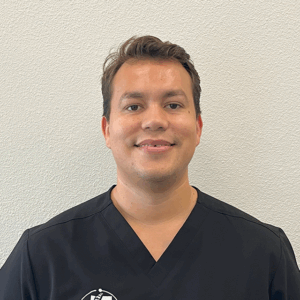
Herniated Disc Treatment in Flint, TX: Chiropractic Care at Flores Chiropractic
If you’ve been told you have a herniated disc—or you suspect you might—take a deep breath. You’re not alone, and there’s a clear path forward. At Flores Chiropractic here in Flint, TX, we see this every week in our community. With the right plan, most people reduce pain, regain confidence in movement, and get back to normal life. In this article, I’ll explain what a herniated disc is, how we diagnose it, what chiropractic treatment looks like, and what to expect during recovery.
What is a herniated disc? A herniated disc happens when the soft center of a spinal disc pushes through a tear in the tougher outer layer and irritates a nearby nerve. This can cause back or neck pain, tingling, numbness, or weakness into an arm or leg. Many cases improve with conservative, chiropractic-led care.
In this article
What a Herniated Disc Is (In Plain English)
Your spine is made of bones (vertebrae) with shock-absorbing discs in between. Each disc has a tough outer ring and a gel-like center. With a herniation, material from the center pushes outward and can irritate a nerve. In the low back (lumbar spine), this can create leg pain commonly called sciatica. In the neck (cervical spine), it may send symptoms into the shoulder, arm, or hand.
People often ask about the difference between a disc “bulge” and a “herniation.” A bulge is when the disc protrudes but the outer layer stays intact; a herniation means some inner material has escaped through a tear. Not every herniated disc is painful, and not every painful back is due to a herniation. That’s why a careful evaluation matters.
For more on the condition itself, organizations like the National Institute of Neurological Disorders and Stroke offer helpful overviews you can read at home (NINDS).
Common Causes and Risk Factors
Herniated discs often reflect a mix of normal age-related changes and how we move. Over time, discs can lose some water content, making them less flexible and more prone to small tears. Daily habits—especially repeated bending, twisting, heavy lifting, or long hours of sitting—can add up. Here in Flint and the greater Tyler area, we see herniations in people who work on their feet, those who do manual labor, and plenty of folks with long commutes.
Other factors that may raise risk include previous back injuries, deconditioning or weak core support, smoking (which can affect disc nutrition), and sudden increases in activity without adequate preparation. Genetics can play a role too, which is why two people can do the same job and only one develops a symptomatic herniation.
Signs and Symptoms
Symptoms depend on which disc is involved and whether a nerve root is irritated. Lumbar herniations commonly cause low back pain with radiating leg symptoms—sharp, burning, or electric-like pain; tingling or numbness; and sometimes weakness. Pain may worsen with coughing, sneezing, or straining. Sitting can feel worse than standing, and mornings can be stiff.
Cervical herniations can create neck pain with symptoms that travel into the shoulder, arm, or hand. You might notice certain head or neck positions increase or decrease your symptoms. Some people feel frequent “pins and needles,” while others mainly feel deep, aching pain and fatigue in the affected limb.
Importantly, the severity of pain does not always match the size of the herniation. A small herniation in the wrong spot can feel awful; a larger one that doesn’t contact a nerve might cause little to no pain.
How We Diagnose at Flores Chiropractic
We start with a detailed history and exam. I’ll ask what makes your pain better or worse, whether sitting or standing changes things, and if you’ve had any recent injuries. Then we’ll perform a focused neurological and orthopedic assessment—checking strength, reflexes, sensation, and specific stress tests that gently challenge nerve pathways and discs. For the low back, this can include a straight-leg raise or slump test; for the neck, gentle nerve tension and compression tests.
Imaging is not always required to start care. In many cases, a herniated disc can be identified clinically, and safe, conservative treatment begins right away. If there are red flags, severe or progressive neurological findings, or if you’re not improving within a reasonable time frame, we may order an MRI to clarify the picture or coordinate a referral. This approach aligns with established guidance that imaging is most helpful when it changes next steps, not as a routine first move.
Major clinical guidelines recognize spinal manipulation as a recommended, noninvasive option for back pain management, which includes patients whose pain is related to disc issues, when appropriately screened (American College of Physicians).
Chiropractic Treatment for Herniated Discs in Flint, TX
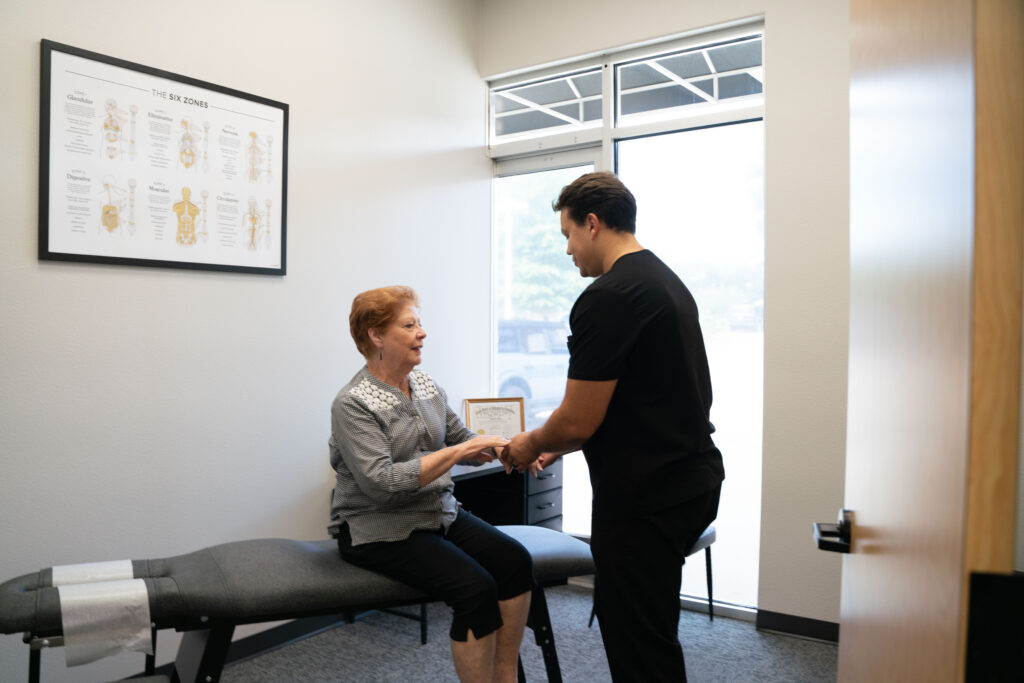
Chiropractic is a frontline, conservative approach to spine-related pain and nerve irritation. Our care plan is individualized and may combine several techniques to calm irritation, restore motion, and help the disc and surrounding joints move and function better. Here’s how we typically proceed at Flores Chiropractic:
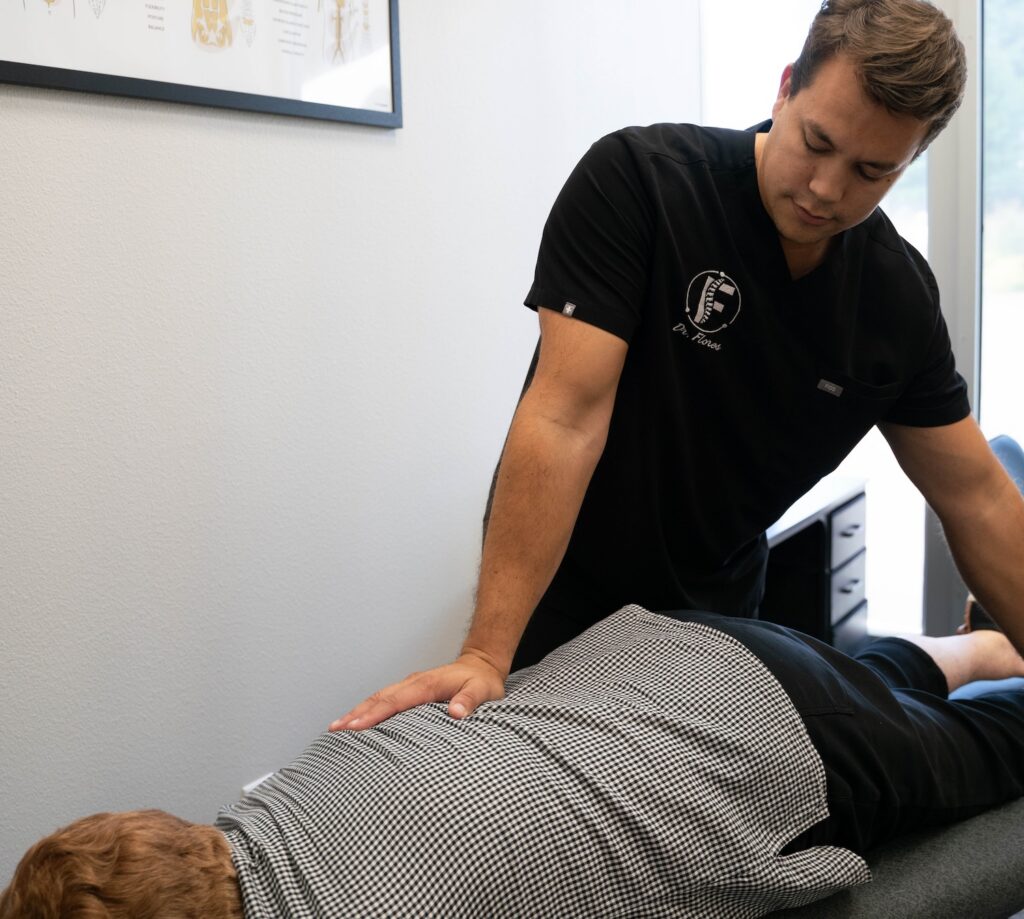
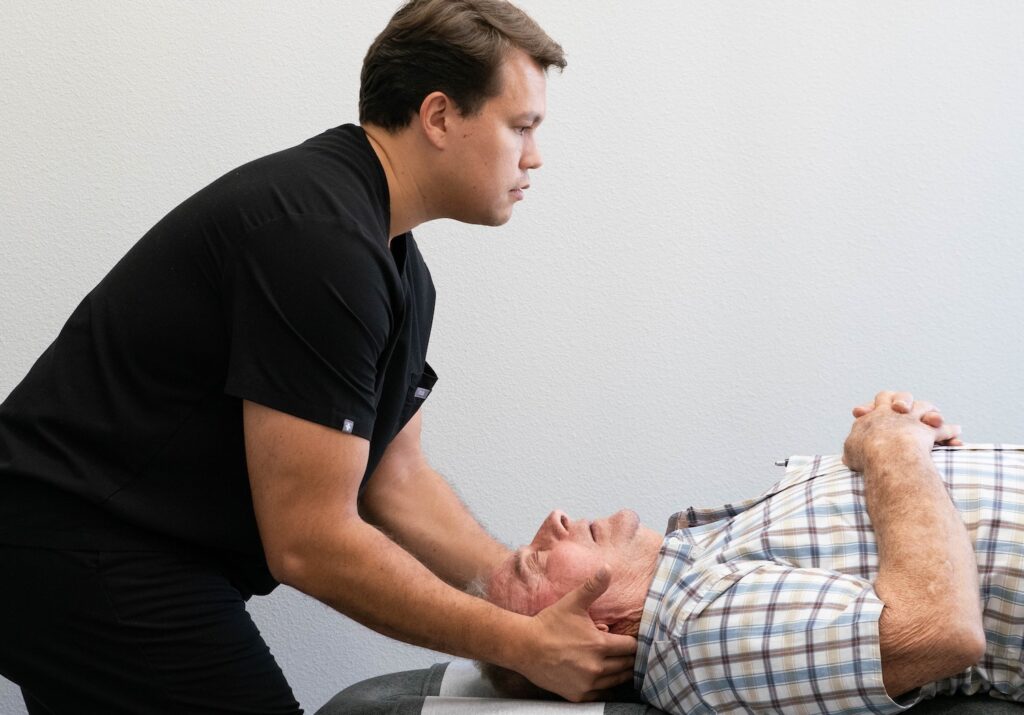
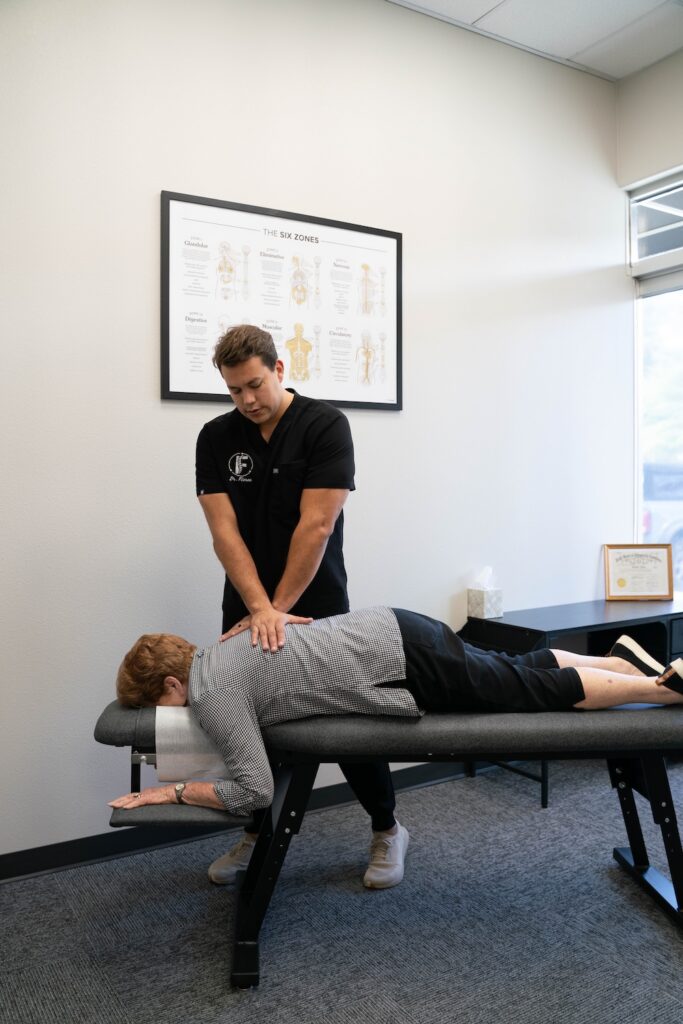
- Precise spinal adjustments: Gentle, targeted adjustments (high-velocity, low-amplitude or low-force techniques) aim to reduce joint restriction, improve alignment, and decrease mechanical stress on the disc and nerve. We tailor the technique and force to your comfort and exam findings.
- Flexion-distraction and mobilization: This is a gentle, hands-on method that lightly flexes and decompresses the spine. Many patients with disc-related pain find it comfortable and soothing. It can help create a better mechanical environment for healing.
- Stabilization and directional exercises: We teach specific movements that encourage your symptoms to “centralize” (move out of the leg or arm and closer to the spine), along with core and hip stability work that protects the disc. These are simple, repeatable exercises you can do at home, and we’ll progress them as you improve.
- Soft-tissue and nerve mobility techniques: Gentle soft-tissue work can reduce muscle guarding, and carefully selected nerve mobility drills (when appropriate) can ease tension on irritated nerve roots.
- Activity guidance and pacing: We’ll show you how to move, sit, lift, and sleep in ways that reduce irritation while you heal. The goal is to keep you as active as possible without aggravating the disc.
Research suggests that spinal manipulation is a reasonable, evidence-supported component of conservative care for many people with back pain, including those with disc-related symptoms when screened appropriately. Safety and technique selection are key, which is why your exam guides every step (NCCIH).
Recovery Timeline and What to Expect
Every person heals on a slightly different timetable. Many patients notice meaningful improvement within a few weeks, especially when they follow their home program and avoid symptom triggers. Others require more time—often 6 to 12 weeks is a realistic window for steady progress.
Early on, our focus is decreasing pain and nerve irritation while restoring easy, supported movement. As symptoms retreat, we transition to building resilience: better core control, hip and thoracic mobility, and confident lifting and bending patterns. You’ll learn how to manage flares, which can occur as you become more active—but with the right plan, these are usually short-lived and less intense over time.
Return-to-work and return-to-sport decisions are individualized. Light-duty or modified tasks often keep you moving without setting you back. Clear communication about your job demands helps us fine-tune your plan.
Practical Tips to Protect Your Discs
- Use the hip hinge: bend at the hips, keep the back long, and keep loads close to your body when lifting.
- Break up sitting: stand, walk, or stretch briefly every 30–45 minutes, especially on long drives around East Texas.
- Find your directional preference: if gentle extension or flexion eases your symptoms, use short, frequent sets through the day as instructed.
- Sleep smart: side-lying with a pillow between the knees or on your back with a small pillow under your knees often reduces strain.
- Support the core: think “brace lightly” before lifting, then breathe through the brace rather than holding your breath.
- Stay hydrated and keep moving: discs like regular, non-painful movement; daily walks are a great start.
- If you smoke, consider quitting support: better disc nutrition and overall healing potential are real benefits.
When to See a Chiropractor — and When to Seek Urgent Care
If you’ve had back or neck pain with radiating symptoms for more than a few days, if it’s interrupting sleep or work, or if you feel uncertain about how to move safely, it’s reasonable to schedule a chiropractic evaluation. Early, conservative care is often the fastest way to calm irritation and steer recovery in the right direction.
Some symptoms deserve same-day medical attention. The table below offers a simple comparison of typical symptoms versus urgent red flags. If you notice urgent signs, seek immediate medical care; we can coordinate referrals when needed.
| Typical Disc-Related Symptoms | Urgent Red Flags (Seek Immediate Care) |
|---|---|
| Back or neck pain that may radiate into a leg or arm | New, severe weakness in a leg or arm that is rapidly worsening |
| Numbness or tingling that comes and goes | Loss of bowel or bladder control, or numbness in the “saddle” area |
| Pain worse with certain positions or activities | Fever, chills, or unexplained weight loss with back pain |
| Stiffness after sitting or first thing in the morning | History of cancer, major trauma, or known bone fragility with sudden severe pain |
If your symptoms aren’t urgent but are lasting beyond a week or two, getting a focused chiropractic exam can help you avoid unhelpful rest cycles and start a plan that moves you forward safely.
Myths and Facts About Herniated Discs
Myth: “If I have a herniated disc, I need surgery.” Fact: Most people improve with conservative, chiropractic-led care. Surgery is reserved for specific situations such as severe or progressive neurological deficits or when pain remains disabling despite an adequate trial of conservative treatment.
Myth: “I should stop all activity until the pain is gone.” Fact: Thoughtful, guided movement is part of healing. The right activities can reduce pain and support faster recovery.
Myth: “Adjustments will make my disc ‘pop out.’” Fact: When performed by a licensed chiropractor after proper screening, spinal adjustments are designed to improve joint motion and reduce stress, not increase it. Technique selection is individualized for your safety and comfort.
Myth: “Once a disc herniates, it never changes.” Fact: Symptoms can change a lot with good care, and imaging findings don’t always predict how you feel. Many people return to the activities they love.
Our Flint, TX Approach: Patient-First, Chiropractic-Led Care
At Flores Chiropractic, chiropractic care is the foundation of how we help people recover from herniated discs. We lead with a careful exam, clear explanations, and a step-by-step plan that fits your life here in Flint—whether that means lifting at work, caring for family, enjoying time on Lake Palestine, or commuting into Tyler. If we ever see signs that you need co-management or a specialty referral, we’ll discuss it openly and coordinate promptly. Your safety and results come first.
Our goal is to help you move with less pain, protect your spine for the long term, and feel confident that you’re doing the right things to heal. If you have questions—even small ones—reach out. We’re neighbors, and we’re here to help.
FAQs
Does a herniated disc always need surgery?
No. Most people improve with conservative chiropractic care and a structured home plan. Surgery is considered when there are severe neurological changes, specific imaging findings, or when disabling pain persists despite appropriate conservative care.
Is chiropractic safe if I have a herniated disc?
When delivered by a licensed chiropractor after a proper exam, chiropractic care—including gentle adjustments and flexion-distraction—can be a safe, effective part of conservative management. Your plan is tailored to your findings and comfort.
How do I know if my leg pain is sciatica from a disc?
Sciatica describes pain that travels from the low back into the leg along a nerve pathway. A focused exam helps determine whether a disc is the source, another structure is involved, or if multiple factors are at play.
Will I need an MRI right away?
Not always. Many cases can be diagnosed clinically and treated effectively without immediate imaging. If red flags are present, if symptoms are severe or worsening, or if progress stalls, an MRI may be recommended.
How long does recovery take?
Timelines vary, but many people improve over several weeks, with steady gains continuing for 6 to 12 weeks and beyond. A consistent home program and graded return to activity make a big difference.
Can I exercise with a herniated disc?
Yes—when guided. We’ll show you which movements help calm symptoms and which to limit temporarily. The right exercises are a core part of recovery.
TL;DR
- A herniated disc means inner disc material irritates a nearby nerve, often causing radiating pain, tingling, or weakness.
- Chiropractic is a frontline, conservative approach that can reduce irritation, restore motion, and guide safe activity.
- Many people improve within weeks; steady progress over 6–12 weeks is common with a clear plan and consistency.
- See a chiropractor if symptoms last more than a few days or disrupt life; seek urgent care for severe weakness, bowel/bladder changes, fever, or major trauma.
- Evidence-informed care matters; guidelines recognize spinal manipulation as a recommended noninvasive option for back pain when appropriately screened.