
Spinal Health and Posture: A Flint, TX Chiropractor’s Guide to Preventing Back Pain
Back pain doesn’t have to be a normal part of life. At Flores Chiropractic here in Flint, TX, we help neighbors of all ages understand how spinal health and posture work together to prevent pain before it starts. In this article, I’ll explain posture in plain language, show you what goes wrong biomechanically, and share practical steps you can use today—along with how chiropractic care serves as a frontline, non-drug approach to keeping your spine moving and feeling its best.
What do we mean by spinal health and posture? Spinal health is how well your vertebrae, discs, joints, muscles, and nerves work together. Posture is the way you hold and move your body throughout the day so your spine’s natural curves are supported and not stressed. Good posture helps distribute load evenly and reduces the risk of pain.
Why Spinal Health and Posture Matter
Your spine is the body’s main support beam. It safely houses the spinal cord, connects every movement you make, and transfers load from head to toe. When alignment and movement are healthy, your body works with less strain.
Poor posture gradually overloads joints, discs, and muscles. Over time, that can mean stiffness in the morning, mid-day fatigue, headaches that start in the neck, and recurring back pain. The good news: small, consistent changes paired with precise chiropractic care can reduce stress on the spine and help prevent flare-ups.
The Biomechanics of Good Posture, in Plain Language
Your spine has three natural curves: a gentle inward curve in the neck, an outward curve in the mid-back, and an inward curve in the low back. These curves act like springs, absorbing shock and balancing your body’s weight. Good posture keeps those curves in a neutral range.
When you slouch forward, the head shifts ahead of the shoulders and the low back rounds. That increases strain on the discs and small joints and forces muscles to work overtime. When you arch too much, the joints compress and the core can’t stabilize the spine well.
Staying in one position too long—even a decent one—fatigues tissues. Your best posture is your next posture, which means regular movement matters as much as the position itself.
Common Posture Mistakes and How to Fix Them
Here are everyday habits I see in our Flint community and the simple corrections we coach in the clinic:
| Posture Mistake | Chiropractor-Approved Correction |
|---|---|
| Phone hunch (chin down, shoulders rounded) | Lift the phone to eye level, gently draw chin back, and relax shoulders down and back. |
| Wallet in the back pocket when sitting | Move the wallet to a front pocket or bag to keep the pelvis level and avoid nerve irritation. |
| Slumped desk posture | Sit back so your hips are supported, keep feet flat, eyes level with the top third of the screen, and elbows near your sides. |
| Standing with weight on one hip | Stand tall with even weight on both feet and unlock your knees to reduce low-back compression. |
| Driving reclined too far | Bring the seat more upright, adjust the steering wheel closer, and keep headrest level with the back of your head. |
| Sleeping with multiple pillows under the head | Use one supportive pillow that keeps the neck level with the rest of the spine; side sleepers can add a pillow between knees. |
These corrections are simple, but they add up. Pair them with periodic movement breaks, and your spine will thank you.
How Chiropractic Care Keeps Your Spine Aligned and Pain Down
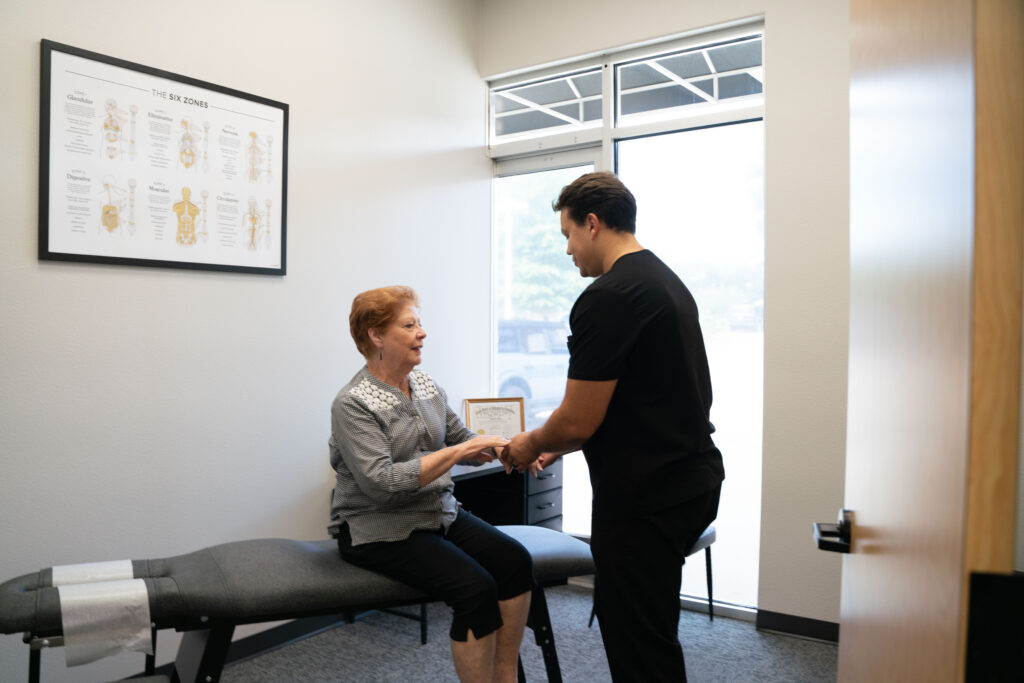
Chiropractic care is a frontline, non-invasive way to improve joint motion, reduce irritation, and support healthy posture. At Flores Chiropractic, we don’t wait for pain to become overwhelming; we evaluate alignment and movement early to keep you active and comfortable.
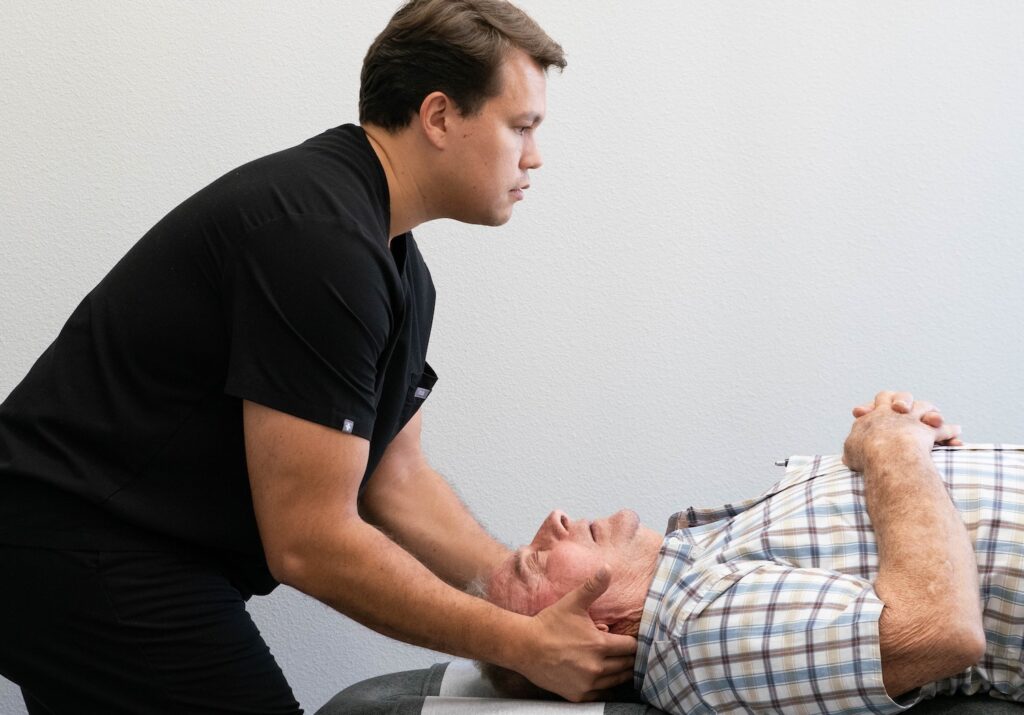
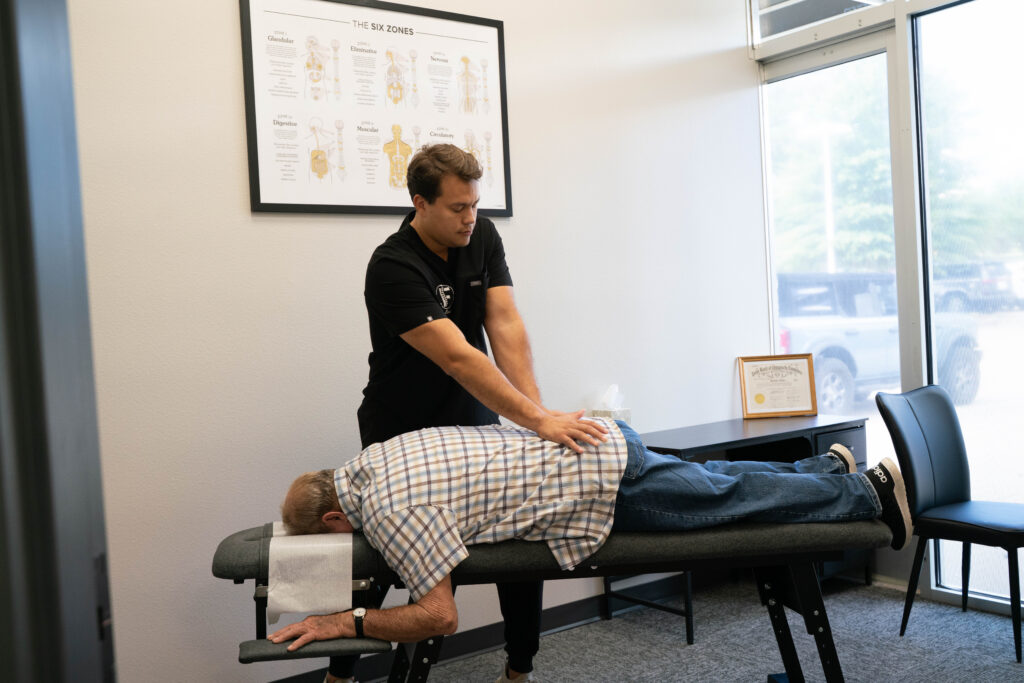
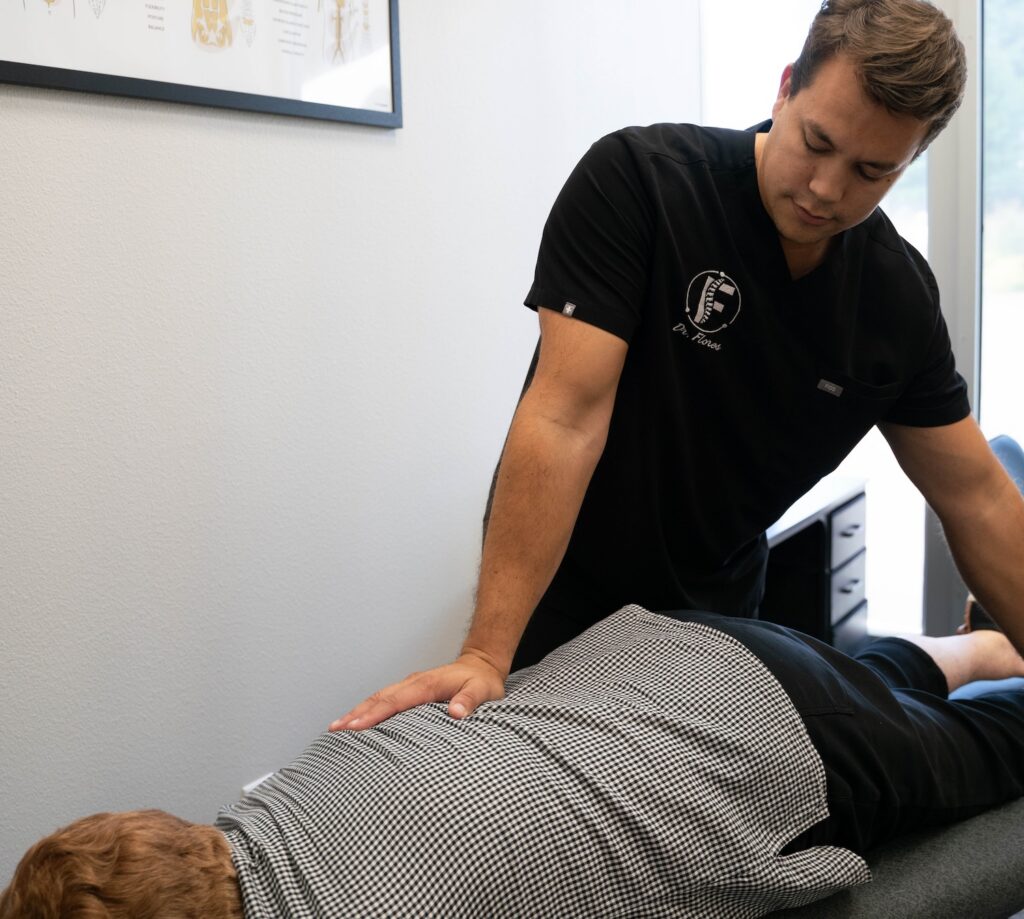
What to expect at our Flint clinic: we take a thorough history, assess posture and gait, and perform specific orthopedic and movement tests. When appropriate, we deliver gentle, precise adjustments to restore normal joint motion in the spine and extremities. Better joint motion often reduces muscle guarding and calms nerve irritation.
We also teach you how to sit, stand, lift, and move in ways that protect your spinal curves. When helpful, we may suggest simple at-home mobility and strengthening routines to reinforce the benefits of your adjustments.
Research supports spinal manipulation as part of conservative care for back pain. For example, the American College of Physicians includes spinal manipulation among recommended non-drug options for acute and chronic low back pain. Evidence suggests many patients experience improved function and relief with this approach. Sources: ACP Clinical Practice Guideline, NIH/NCCIH overview.
No single therapy is a cure-all, and results vary by person. That’s why we tailor care plans to your goals, your job demands, and your daily activities around East Texas.
Daily Posture and Movement Tips You Can Start Today
- Change positions every 30–40 minutes. Stand to take calls, or do a short lap around the room.
- Use the 90-90 rule at your desk: hips and knees near 90 degrees, feet flat, and elbows at about 90 degrees close to your sides.
- Keep screens at or slightly below eye level so your head stays centered over your shoulders.
- When lifting, keep the load close, hinge at the hips, and exhale as you stand tall. Avoid twisting with weight in your hands.
- Sleep on your side or back with a supportive pillow. Aim to keep ears, shoulders, and hips in a straight line.
- Hydrate and walk daily. Well-hydrated tissues and regular blood flow help your spine move better.
- Strengthen your “core cylinder”—gentle breathing drills and simple midline exercises can stabilize the spine without strain.
Posture for Students, Workers, and Weekend Warriors in Flint
Many of our patients around Flint and the Lake Palestine area split time between school, desk work, driving on Hwy 155, and outdoor projects. Each of these puts different demands on your spine, so small adjustments go a long way.
Students do best with backpacks worn on both shoulders, resting high on the back, and packed with only what’s needed for the day. If a laptop lives in the bag, position it flat against the back panel and keep heavier items centered.
Desk workers benefit from a supportive chair and a setup that fits their body. If your feet don’t reach the floor, add a footrest. If your keyboard is too high, your shoulders will creep upward and your neck will tighten.
For drivers and delivery pros, swing your hips and shoulders together when getting in or out of the vehicle. Keep a small lumbar support behind your low back to maintain the natural curve.
Yardwork, boating, and pickleball are great for staying active. Warm up your hips and mid-back with a few slow rotations and shoulder rolls before you jump in. Your spine will be more resilient when you ease into activity.
When to See a Chiropractor
Chiropractic is appropriate anytime posture or movement doesn’t feel right, not just when pain is severe. Consider scheduling a visit if:
- You’re noticing recurring stiffness, headaches that start at the neck, or a dull ache that builds through the workday. Pain that lingers more than a week or two, keeps returning, or interferes with sleep is a clear signal to get evaluated.
- Numbness, tingling, or pain traveling into an arm or leg deserves prompt attention. The sooner we assess alignment, joint motion, and nerve irritation, the sooner we can outline a plan to help.
- Posture that’s hard to correct on your own often reflects mobility restrictions. Gentle, specific adjustments can free up motion so better posture feels natural again.
When Back Pain Needs Urgent Medical Care
Some symptoms need immediate medical evaluation. Seek urgent or emergency care if you notice new loss of bowel or bladder control, numbness in the saddle area, unexplained fever with back pain, recent major trauma, a history of cancer with new severe back pain, or rapidly worsening weakness in an arm or leg.
If you’re unsure, call us. We’ll help you decide the safest next step and coordinate referrals when needed.
Myths vs. Facts About Posture and Back Pain
-
Myth: “If I just stand up straight all day, I’ll be fine.”
Fact: Even excellent posture gets tiring. Movement breaks are essential to keep joints lubricated and muscles fresh.
-
Myth: “Back pain means something is seriously damaged.”
Fact: Most back pain is mechanical and related to how joints and soft tissues move. With the right care and habits, it often improves.
-
Myth: “Cracking my own back is the same as an adjustment.”
Fact: Self-cracking is non-specific. Chiropractic adjustments are precise, targeted, and based on an exam.
-
Myth: “I’m too old for chiropractic.”
Fact: Care is tailored to your health and comfort. Many older adults benefit from gentle techniques that support mobility and balance.
Final Thoughts from Flores Chiropractic
Spinal health and posture are everyday investments. A few smart changes, paired with focused chiropractic care, can help you stay active for the long haul. If you live in Flint, Tyler, or around Lake Palestine, our team at Flores Chiropractic is here to assess your posture, address the root causes of discomfort, and guide you with clear, practical steps.
If you’re ready to understand your spine and feel better moving through your day, we’re ready to help.
FAQs
What is the best sitting posture for my back?
Sit back in the chair so your hips are supported, keep feet flat, and set the screen near eye level. Your elbows should rest close to your sides with shoulders relaxed. Change positions regularly.
Can poor posture really cause back pain?
Posture doesn’t act alone, but it strongly influences how much load your spine and muscles must handle. Over time, sustained slouching or over-arching increases strain and can contribute to pain. Improving posture often eases symptoms.
Is chiropractic care safe for older adults?
When provided by a licensed chiropractor after an appropriate exam, care is generally safe and tailored to each person. Techniques and forces are adjusted to your comfort, health history, and bone density.
How often should I get adjusted to maintain good posture?
It depends on your goals, job demands, and exam findings. Some patients address a current issue and then schedule periodic check-ins to stay ahead of recurrence. We’ll personalize a plan that fits your needs.
Is it okay to crack my back at home?
Forceful self-manipulation isn’t recommended. It’s non-specific and can create more hypermobility where you already move too much. A chiropractic adjustment is targeted to the joints that actually need motion, based on an exam.
TL;DR
- Good posture preserves your spine’s natural curves and reduces daily strain.
- Movement breaks are as important as the position you sit or stand in.
- Chiropractic adjustments restore joint motion and support posture as a frontline, non-drug approach.
- Fix common habits: phone at eye level, feet flat at the desk, even weight when standing.
- See a chiropractor if pain recurs, lingers, or travels into a limb; seek urgent care for red flags.