
Whiplash Care in Flint, TX: A Chiropractor’s Guide
Whiplash can turn an ordinary day into a painful one in seconds. Whether it happened on Highway 155, a local side street in the Flint–Tyler area, or during sports, a rapid back-and-forth motion of the neck can strain joints, ligaments, discs, and muscles. As a local chiropractor at Flores Chiropractic in Flint, TX, I help people with whiplash every week. With the right plan, most patients can reduce pain, regain motion, and get back to life safely.
What is whiplash? Whiplash is a neck injury caused by a rapid acceleration–deceleration force. It commonly follows car accidents, sports impacts, or falls and can lead to neck pain, stiffness, headaches, and limited mobility.
Table of Contents
What Whiplash Is and What Happens in Your Neck
Whiplash is a soft-tissue and joint injury of the neck (cervical spine). The sudden force makes the neck move beyond its normal range, stressing muscles, ligaments, facet joints, and sometimes the discs. This can create micro-tears, joint irritation, inflammation, and protective muscle guarding.
Symptoms are not just “in the muscles.” The neck’s small joints and the nervous system can become irritated and sensitive. That’s why some people feel headaches, dizziness, or shoulder blade pain along with neck soreness.
Common Causes Around Flint, TX
Most patients we see for whiplash in Flint, TX were involved in motor-vehicle collisions, including lower-speed fender benders. Sports impacts, slips on wet surfaces, and unexpected falls can create the same rapid acceleration–deceleration of the head and neck.
Even at modest speeds, if your neck is turned, you are caught off guard, or your headrest is set too low, the strain can be significant. It’s the sudden change in speed that matters, not just the number on the speedometer.
Signs and Symptoms to Watch For
Neck pain and stiffness are the most common complaints after whiplash. Many patients also notice headaches at the base of the skull, limited motion when turning the head, shoulder or upper back soreness, and jaw discomfort. Tingling down an arm, lightheadedness, and difficulty concentrating may occur in some cases.
Symptoms can be immediate or delayed. It’s common for pain to build over 24–72 hours as inflammation rises. Delayed symptoms do not mean the injury is minor. Getting evaluated early helps create a plan that calms irritation and restores motion safely.
The Biomechanics of Whiplash (Explained Simply)
Your head is relatively heavy for its size, and your neck must keep it balanced while you move. In a collision, the torso is pushed or pulled quickly while the head lags behind for a split second. That shear force bends the neck first one way, then the other, faster than your muscles can protect you.
The result can be small tears in soft tissues, joint irritation, and altered mechanics between the neck vertebrae. Muscles tighten to guard the area, which reduces motion and increases stiffness. If this pattern lingers, the nervous system can become hypersensitive, and routine movements may trigger pain.
The good news is that with precise care focused on restoring healthy motion and reducing sensitivity, most people improve. Addressing joint function and movement patterns early often shortens recovery time and reduces the chance of lingering issues.
How Chiropractic Care Helps Whiplash at Flores Chiropractic
Chiropractic is a frontline, conservative solution for whiplash. We evaluate, diagnose, and manage spine and joint injuries every day. Our priority is to find the specific structures involved, reduce pain, and restore healthy, confident motion.
Here is how we approach whiplash in our Flint office:
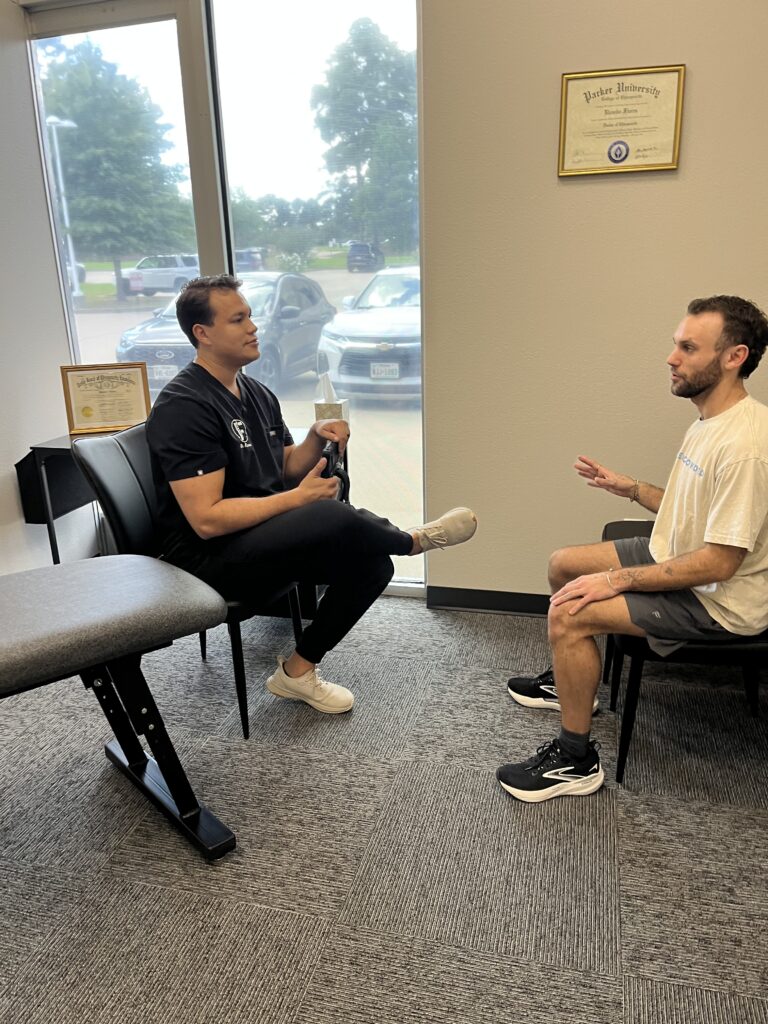
- Thorough evaluation. We start with a detailed history of the incident, your symptoms, and any previous issues. We check posture, range of motion, joint function, muscle tone, and perform a focused neurological screen. If red flags are present or we suspect fracture or serious injury, we refer appropriately. Imaging is ordered only when it meaningfully guides care.
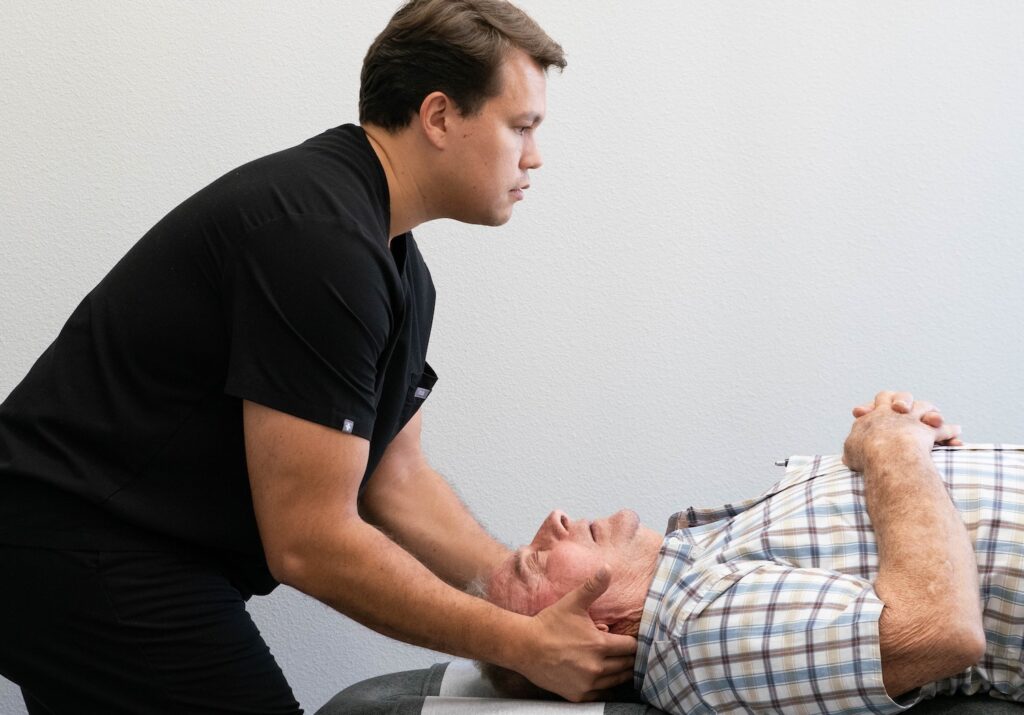
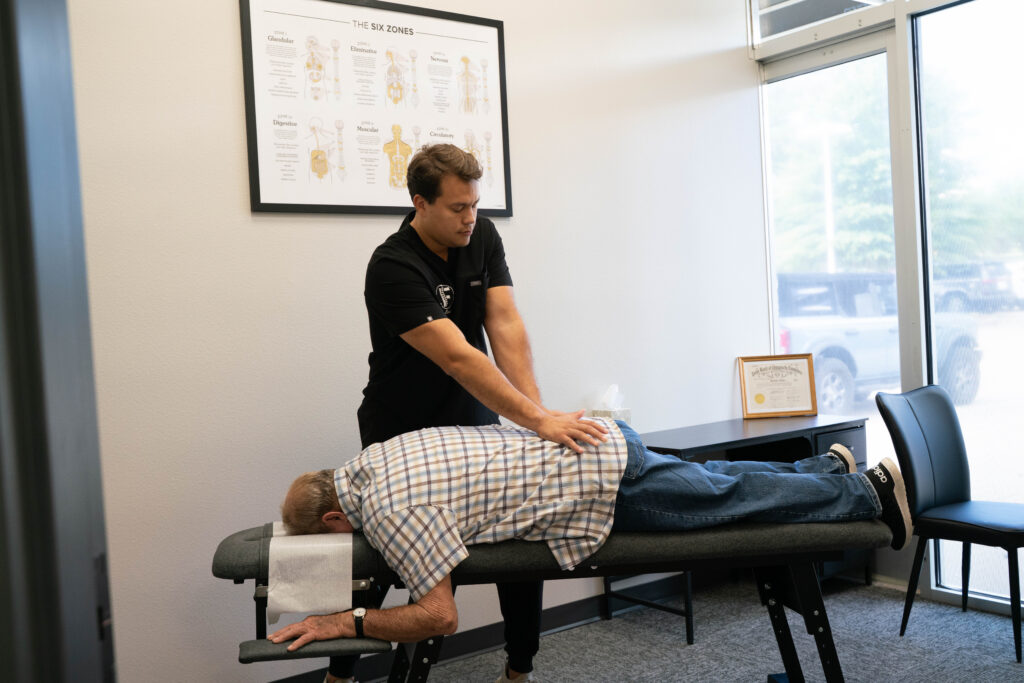
- Individualized adjustments and mobilization. Gentle, precise chiropractic adjustments help restore movement in irritated facet joints and reduce muscle guarding. When needed, we use low-force methods that are comfortable in the acute phase and progress as healing allows.
- Soft-tissue care and movement retraining. Targeted soft-tissue techniques and carefully dosed mobility work help calm tight muscles and improve coordination. As pain settles, we integrate simple, specific exercises to rebuild stability and confidence.
- Education and activity planning. We’ll guide you on pacing, sleep positions, and daily movement so you avoid setbacks. Small changes to how you sit, drive, or use screens can ease strain and speed recovery.
- Evidence and safety. Research suggests that spinal manipulation, mobilization, and active care can improve pain and function for many people with neck pain, including whiplash-associated disorders. Spinal manipulation performed by a trained professional is considered generally safe for appropriate patients, and we always screen for conditions that require medical referral. For supportive reading: National Center for Complementary and Integrative Health overview on spinal manipulation and Cochrane Review on manipulation and mobilization for neck pain.
Practical Steps You Can Start Today
While a personalized plan is best, a few simple habits can support recovery and reduce day-to-day strain on your neck.
- Keep moving gently. Short, frequent walks and comfortable neck range-of-motion movements (within pain-free limits) help circulation and reduce stiffness.
- Support your neck when you sleep. Use a pillow that keeps your neck aligned and your chin neutral, not tucked or tilted up.
- Adjust your sitting and screen time. Keep screens at eye level, take brief breaks every 30–45 minutes, and avoid cradling the phone between your ear and shoulder.
- Mind your driving posture. Sit upright with the headrest positioned at the middle of the back of your head, and keep hands relaxed at a comfortable height.
- Ease back into activity. Avoid heavy overhead lifting or sudden jerking motions until your neck tolerates regular movement without a symptom spike.
When to See a Chiropractor — And When to Seek Urgent Care
If you’ve had a car accident, sports impact, or fall and your neck feels sore, stiff, or “off,” a chiropractor is the right first stop. Early evaluation helps identify involved joints and tissues, calm irritation, and set you up to recover well.
- Book a chiropractic visit soon if: you have neck pain or stiffness after a collision or fall, headaches at the base of your skull, limited turning or looking up/down, achy shoulders or upper back, or symptoms that worsen with sitting or driving.
- Seek urgent medical care first if you notice any red flags: severe headache unlike your usual, loss of consciousness, confusion, strong dizziness with fainting, double vision, difficulty speaking, numbness or weakness in an arm or leg, problems with bowel or bladder control, suspected fracture, or intense pain that continues to escalate.
- If symptoms aren’t improving within 1–2 weeks, or if they improve and then return repeatedly, a chiropractic re-evaluation can help adjust your plan and prevent lingering issues.
Chiropractic is not emergency care. In true emergencies, call 911 or go to the nearest emergency department, then follow up with us for musculoskeletal care when it’s safe to do so.
Myths and Facts About Whiplash
| Myth | Fact |
|---|---|
| Only high-speed crashes cause whiplash. | Even low-speed collisions can create enough force to strain the neck, especially if you’re unprepared or your headrest is set too low. |
| If you don’t hurt right away, you’re fine. | Symptoms often build over 24–72 hours as inflammation increases. Delayed pain is common. |
| You should immobilize and fully rest until pain is gone. | Short-term comfort is reasonable, but gentle, guided movement typically supports better recovery than prolonged rest. |
| Chiropractic care isn’t safe after a collision. | Trained chiropractors screen for red flags, refer when needed, and use gentle techniques appropriate for each stage of healing. |
Our Local Approach in Flint, TX
At Flores Chiropractic, we care for our neighbors throughout Flint and the greater Tyler area. We understand the everyday demands of driving, working, caring for family, and staying active around Lake Palestine. Our goal is to help you move confidently again with an approach that is clear, personalized, and rooted in chiropractic as your primary pathway to recovery.
If you have questions about a recent collision or a neck issue that isn’t settling down, we’re here to listen and guide you through your next steps. You’ll get a plan that respects your goals and helps you return to the activities you value most.
FAQs
How long does whiplash usually last?
Many people improve noticeably over a few weeks with timely, appropriate care. Recovery time varies based on the severity of the injury, your overall health, and how consistently you follow your plan.
Is it safe to get adjusted after a car accident?
For most patients, yes. We screen for red flags first and use gentle techniques appropriate to your stage of healing. If something requires medical referral, we’ll make that call before any treatment.
Do I need X-rays or an MRI for whiplash?
Not always. Imaging is considered when your history or exam suggests a fracture, serious injury, or another condition that would change management. Otherwise, a careful clinical evaluation usually guides effective care.
Can whiplash cause headaches or dizziness?
Yes. Irritated neck joints, soft tissues, and the nervous system can contribute to headaches and occasionally dizziness. A focused chiropractic plan often helps reduce those symptoms.
Should I rest or keep moving?
Short-term rest for comfort is fine, but gentle, pain-free movement typically supports better outcomes. We’ll show you how to progress safely.
How soon should I see a chiropractor after whiplash?
As soon as possible. Early evaluation helps reduce inflammation, restore motion, and prevent persistent patterns from taking hold.
TL;DR
- Whiplash is a rapid neck strain that can irritate joints, muscles, discs, and nerves, often after a collision or fall.
- Symptoms may be delayed and include neck pain, stiffness, headaches, and limited motion.
- Chiropractic is a frontline, conservative solution that restores motion, reduces irritation, and guides safe activity.
- See a chiropractor early; seek urgent care first if red flags like severe headache, neurological changes, or suspected fracture are present.
- Gentle movement, good sleep support, and smart ergonomics help you recover and prevent setbacks.